
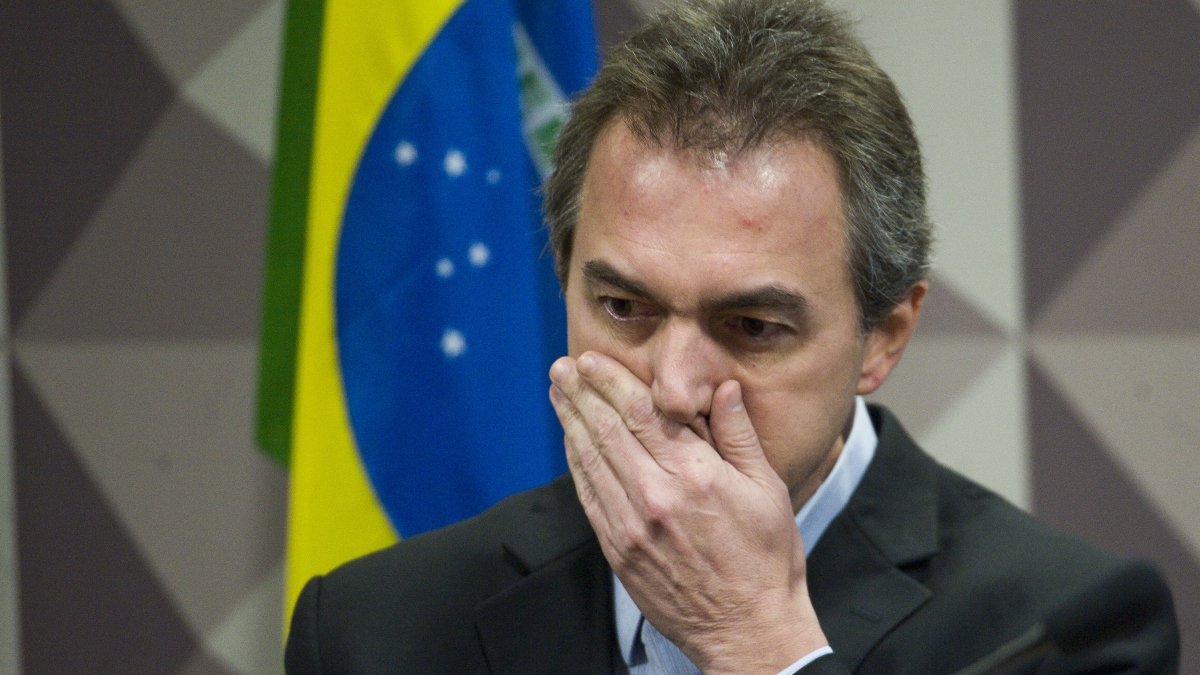
Before the United States’ military intervention in Venezuela, which resulted in the capture of former dictator Nicolás Maduro, the government of American President Donald Trump sought a negotiated solution for the Venezuelan leader’s departure from power. According to the newspaper Washington PostBrazilian businessman Joesley Batista, co-owner of JBS, acted as an informal interlocutor. Batista would have tried to convince Maduro to resign and accept exile in Türkiye.
The report, published this Saturday by Washington Poststates that months before the military action that culminated in Maduro’s arrest, Trump’s then special envoy, Richard Grenell, led diplomatic efforts aimed at a peaceful transition. These negotiations also included eventual support from countries such as Qatar and conversations with key figures in the Venezuelan government. However, the American proposals were rejected by Maduro, according to the newspaper.
HAS People’s Gazette J&F, a group controlled by the Batista brothers, said that the group will not comment on the matter.
Maduro rejected diplomatic attempts to leave power
With formal diplomacy lacking progress and growing internal pressure in the White House for tougher actions, people from the private sector began to play a more active role in attempts at dialogue. Among them would have been Joesley Batista. The businessman traveled to Caracas at the end of November carrying a proposal that called for Maduro’s resignation. He would also have proposed the possible exile of the former Venezuelan dictator in Türkiye.
According to sources who spoke to the Washington Postin addition to resignation and exile, the discussions would have included points considered important by the United States, including American access to critical minerals and Venezuelan oil, and the demand for a break with Cuba — a traditional ally of Caracas.
Batista, who has commercial interests in both the United States and Venezuela, has previously used his influence in international contexts, as an intermediary in negotiations over tariffs imposed by Trump on Brazilian products.
Sources interviewed by the newspaper stated that the businessman did not act formally in the service of the United States. However, the information he brought was considered by the Trump administration.
Despite attempts at negotiation, Maduro and his wife rejected the proposals, ending the possibility of a peaceful transition. The Trump administration then concluded that diplomatic options were exhausted, paving the way for military action that resulted in the capture of the former Venezuelan dictator.
