
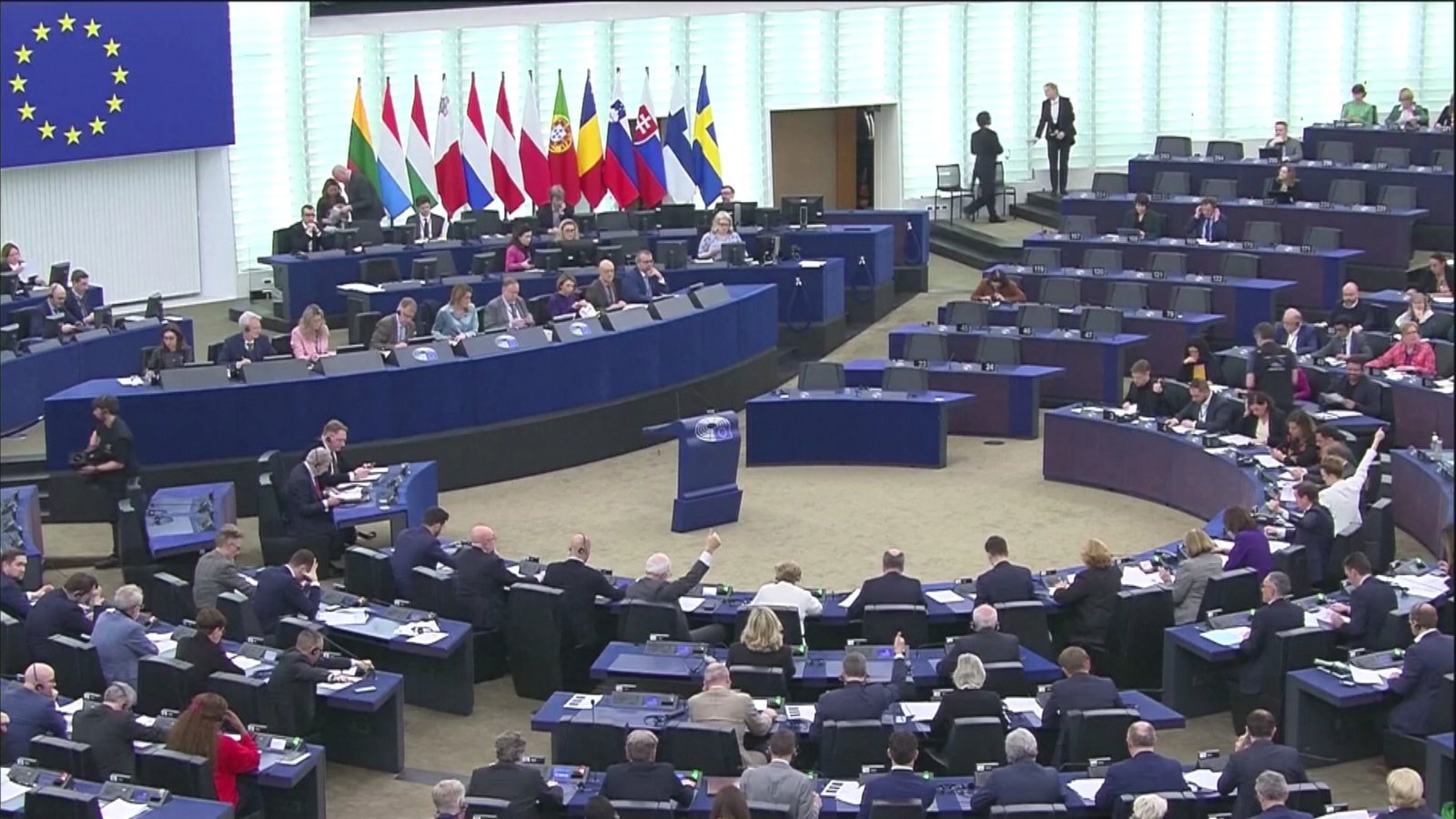
After 25 years after the start of negotiations, European Union countries are expected to approve this Friday (9), the signing of the largest free trade agreement of the bloc’s history with Mercosur. The ambassadors of the 27 EU member states must indicate the positions of their governments, requiring the approval of 15 countries, representing 65% of the bloc’s total population.
The European Commission, which concluded negotiations a year ago, and countries including Germany and Spain argue it is a vital part of the EU’s effort to unlock new markets, offset trade losses from US tariffs and reduce dependence on China by ensuring access to critical minerals.
France, leading the opponents, argues that the agreement will increase imports of cheap food products, including beef, poultry and sugar, harming national farmers. On Thursday (8), farmers held protests across Europe, even blocking some French roads.
The free trade agreement would be the European Union’s largest in terms of tariff reduction, eliminating 4 billion euros (just over R$25 billion) in tariffs on its exports. Mercosur countries have high tariffs, such as 35% on auto parts, 28% on dairy products and 27% on wine.
To win over part of the opposition, the agreement has so-called safeguards, which can suspend imports of sensitive agricultural products. Also rand strengthened import controls, particularly with regard to pesticide residues, created a crisis fund, accelerated support to farmers and promised reduce fertilizer import duties.
