
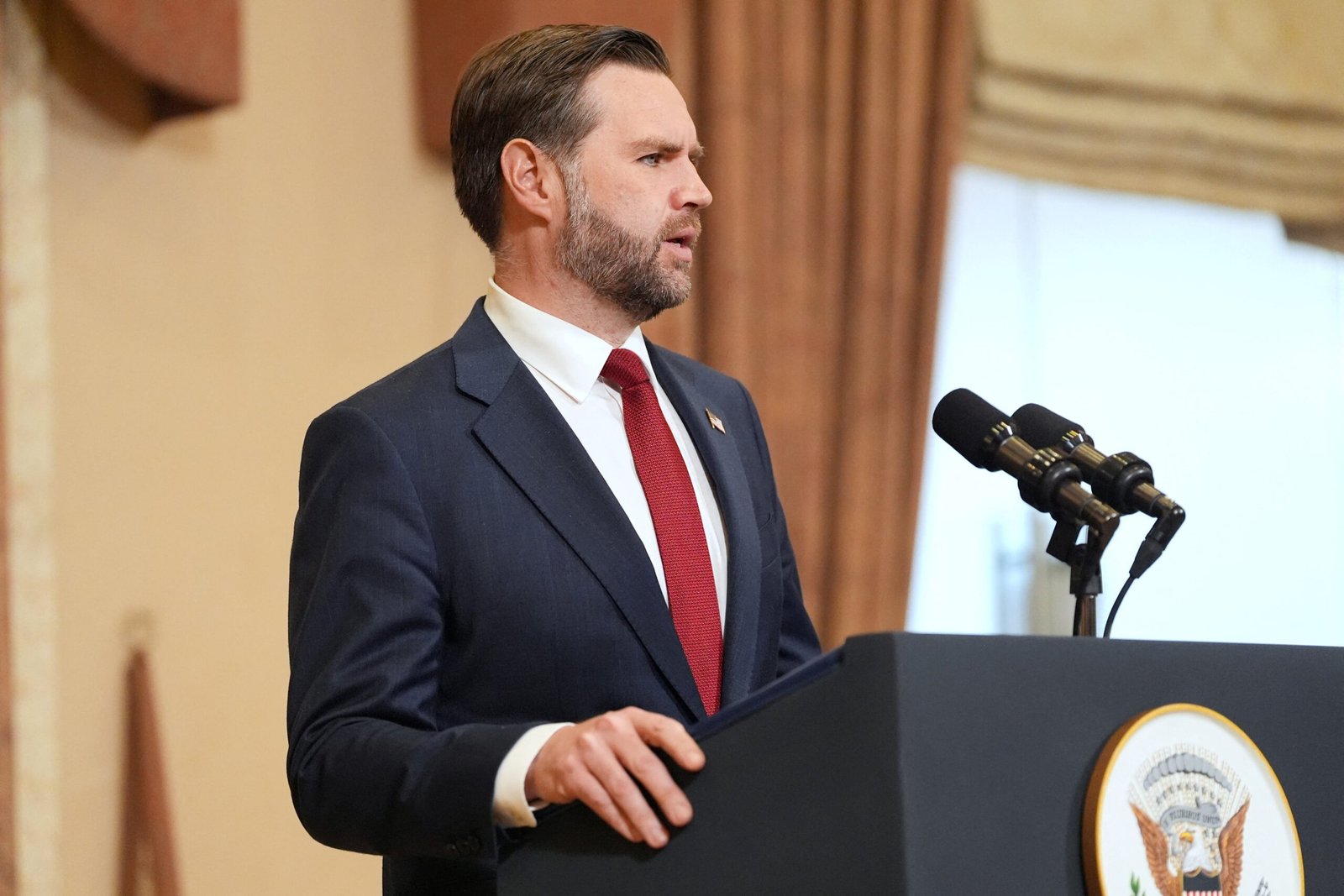
Negotiations between Iran and the United States end without agreement After a sleepless night and moments of tension in Pakistan, authorities from Iran and the United States ended the highest-level talks between the two countries in decades without any concrete progress. Still, 11 sources familiar with the negotiations told Reuters that dialogue remains open. ✅ Follow the g1 international news channel on WhatsApp LIVE: Follow the latest news from the war The conversations took place inside the luxurious Serena Hotel, in the capital Islamabad. According to the operational team, the negotiations were divided into three spaces: a wing for the US delegation, another for the Iranians and an area for trilateral meetings with Pakistani mediators. Among the main topics discussed were the Strait of Hormuz, the Iranian nuclear program and the international sanctions imposed on Tehran. The United States promised to work to reopen the maritime passage. Phones were not allowed in the main room. Therefore, officials such as US Vice President JD Vance and Iranian Parliament Speaker Mohammad Baqer Qalibaf needed to go out during breaks to convey messages to their governments, according to two sources. “There was great hope in the middle of the negotiations that there would be a breakthrough and the two sides would reach an agreement. However, things changed in a short time,” said a Pakistani government source. Another person involved in the negotiations stated that the parties came “very close” to an understanding and were “80% there”, before stumbling into decisions that could not be resolved on the spot. Two Iranian sources described the initial environment as heavy and hostile. Despite Pakistan’s attempts to reduce tension, neither side has shown a willingness to ease positions. According to the same Iranian sources, the atmosphere began to improve early on Sunday morning (12), when the possibility of extending negotiations for another day emerged. Highs and lows Pakistani Prime Minister Shehbaz Sharif (right) speaks with Iranian Parliament Speaker Mohammad Bagher Ghalibaf ahead of US-Iran peace talks in Islamabad. Photo released on April 11, 2026 by the Pakistan Prime Minister’s Office. Pakistan Prime Minister’s Office via AFP In Islamabad, historic adversaries met to try to chart a path to a long-term agreement, after a Pakistan-brokered ceasefire halted six weeks of war that left thousands dead and disrupted global energy supplies. At the heart of the dispute is the suspicion by Western countries and Israel that Iran seeks to develop a nuclear weapon — an accusation denied by Tehran. A White House official said Washington demands: a complete end to uranium enrichment; the dismantling of major nuclear installations; the delivery of highly enriched material; the acceptance of a broader peace agreement; the creation of a regional security structure; the end of financing armed groups allied with the Iranian regime; the complete reopening of the Strait of Hormuz without charging tolls. Iran, according to an Iranian official, presented demands that include: a permanent ceasefire and guarantees against new attacks; suspension of primary and secondary sanctions; unlocking financial assets; recognition of the right to nuclear enrichment; maintaining control over Hormuz. Four sources told Reuters that, at certain points, the dialogue seemed close to resulting in at least a skeleton agreement. Negotiations, however, stalled due to disagreements over the nuclear program, Hormuz and the volume of frozen Iranian assets. “There were ups and downs. Moments of tension. People left the room and then came back”, reported a security source. A diplomat based in the Middle East said talks between mediators and US representatives continued even after Vance’s departure from Islamabad. Another source said that Pakistan continues to transmit messages between Tehran and Washington. “I want to tell you that there is still an all-out effort to resolve the issues,” said Pakistani Prime Minister Shehbaz Sharif. Despite the obstacles, both sides have reasons to seek de-escalation. US attacks face domestic resistance and are unlikely to overthrow the Iranian theocratic system. At the same time, the blockade of supplies from Hormuz puts pressure on the global economy and contributes to rising inflation months before the US legislative elections. In Iran, the economic impacts of the war also threaten to weaken the government internally, just weeks after protests were violently suppressed. Distrust Iranian Foreign Minister Abbas Araqchi REUTERS/Dilara Senkaya/File Photo The negotiations lasted more than 20 hours. Hotel employees remained on site throughout the period, working, resting and eating after undergoing quick security checks. When discussions reached guarantees of non-aggression and sanctions relief, the tone of Iranian Foreign Minister Abbas Araqchi, normally described as moderate, became tougher, according to two Iranian sources. According to them, Araqchi asked: “How can we trust you when, at the last meeting in Geneva, you said that the US would not attack while diplomacy was underway?” The joint Israeli-American attack on Iran began two days after that previous round of negotiations. In addition to disagreements over Hormuz and sanctions, the sides also disagreed over the scope of an eventual agreement. Washington prioritized the nuclear issue and the maritime strait, while Tehran defended a broader understanding. In a moment of heightened tension, raised voices could be heard outside the negotiating room, before Munir and Dar called for a tea break and led the delegations back to separate rooms, according to a government source. READ ALSO Iran hits back at the US after the end of negotiations in Pakistan: ‘They didn’t earn our trust’ What happens now that the peace negotiations between Iran and the US have not reached an agreement? USA x Iran: who has lost and won the most in the war so far? ‘Final offer’ US Vice President JD Vance speaks during a press conference after meeting with representatives from Pakistan and Iran, on Sunday, April 12, 2026, in Islamabad, Pakistan Jacquelyn Martin/Pool via REUTERS In the final moments of the discussions, on Sunday morning, US delegates began to circulate more frequently between the main room and the delegation’s private area, said a Pakistani official. An American source said the vice president came to the talks with the aim of reaching a quick understanding. According to her, Washington remains suspicious of prolonged negotiations with Iran, considering that Tehran uses delaying tactics and avoids concessions. Despite the impasse, Vance’s statements announcing the end of the talks indicated that new rounds are still possible. “We leave here with a very simple proposal, a method of understanding that is our best and final offer,” he stated. “We will see if the Iranians accept it.” VIDEOS: most watched on g1
Source link
Heavy climate, mistrust and almost agreement: behind the scenes of the tense meeting between the US and Iran in Pakistan
17
