
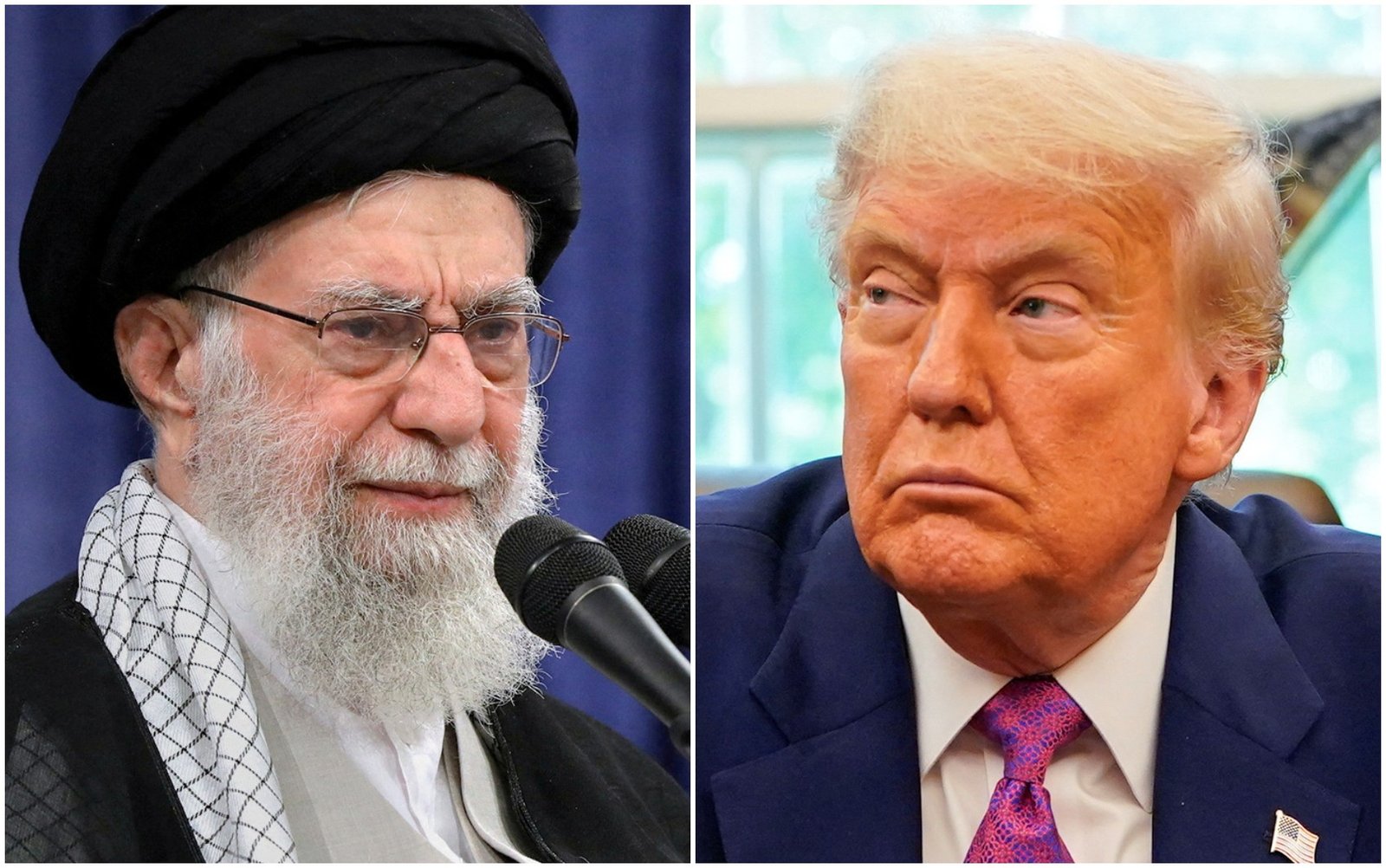
USA increases pressure on Iran with aircraft carriers and fighter jets Financial market agents are already evaluating the possibility of a United States attack on Iran. According to experts consulted by g1, the increase in tensions between the two countries could strengthen the dollar, increase oil prices and cause losses on the stock markets. 📱Download the g1 app to see news in real time and for free In recent weeks, US President Donald Trump has intensified threats to the Middle Eastern country, reinforced the military presence in the region and signaled that he is ready for an attack, if he deems it necessary. 🔎 Trump has been pressuring the Ayatollah regime to accept an agreement to limit Iran’s nuclear program, especially uranium enrichment, and the missile program. In return, there would be sanctions relief and greater economic openness. Iran has promised a “ferocious” response to any attack by the American government. Although experts do not consider a lasting conflict to be the most likely scenario, the possibility of US military intervention is not ruled out. See below what the effects of a conflict could be on the dollar, oil and global markets. Strengthening the dollar Whenever a geopolitical event occurs — such as fights between major military powers — the dollar is usually a protection option for investors. 🔎 The American currency is one of the most traded in the world and can be bought and sold easily, without major price distortions. Therefore, at times like this, investors tend to sell riskier investments, such as shares on the stock market, and migrate to safer options, such as the dollar. “This is what we call ‘flight to quality’, a movement that traditionally occurs in times of war”, says Avenue’s chief strategist, William Alves. The possibility of blocking the Strait of Hormuz, through which around 20% of world oil trade passes, is another factor that could increase the value of the American currency, because it would destabilize the functioning of the market. “It is unlikely that this will happen, as the US maintains military forces to protect the region. But the risk always exists”, says Alves. “Iran is not Venezuela. The country has greater military relevance and could attempt some type of reaction against the US. Perhaps not at first, but even through attacks or other actions after possible US action in the region”, he adds. Iran’s Supreme Leader Ali Khamenei and US President Donald Trump WANA (West Asia News Agency) via Reuters; Nathan Howard/Reuters Rising oil prices An attack or blockage of the Strait of Hormuz could affect oil prices. Iran is one of the largest producers in the world and is part of the Organization of Petroleum Exporting Countries (OPEC). “Whenever there is tension between oil producing countries, the market begins to consider the risk of damage to production structures”, explains Genial Investimentos analyst Vitor Souza. 🔎 If part of Iran’s oil production facilities are destroyed, supply could fall to the point of creating an imbalance between production and consumption in the global market, putting pressure on prices. 🔎 The same goes for the risk of blockages in the Strait of Hormuz. For Gabriel Mollo, an analyst at Daycoval Corretora, an interruption in the passage of cargo ships through the region could take a barrel of oil to the US$80 range. Today, it is around US$70. Gabriel Mollo also states that the conflict and a possible blockade could also have indirect effects on the economy, such as an increase in global inflation and interest rates. “It all depends on the intensity of the conflict, its duration and how it will affect production chains”, he adds. Experts highlight, however, that the market does not expect a prolonged and large-scale war between the countries. The current excess supply of oil and restrictions on Iran’s own sales are factors that could contain prices in the short term. “There is, of course, the issue of increased demand. But, on the other hand, Iran is already a heavily sanctioned country, and a possible conflict should not generate the same impact as the war between Russia and Ukraine, for example”, says Suno Research analyst, Malek Zein. Risk of fall in stock markets As investors’ willingness to bet on risky assets decreases in times of geopolitical tension, stock markets around the world may also suffer from falls. William Alves, from Avenue, says that risky assets — such as stocks and investments in emerging countries — tend to react poorly to events such as a war, especially given the possible rise in oil prices and increases in the dollar and interest rates. “In the medium and long term, it will be necessary to assess how limited and fast the conflict would be and whether there could be retaliation in the region, such as attacks on energy facilities, refineries or similar structures”, adds the strategist. Depending on the duration of the conflict, there may be more intense fluctuations in the markets and changes in profit projections for some sectors, especially oil and gas.
Source link
How tension between the US and Iran could affect the dollar, oil and the financial market
69
