
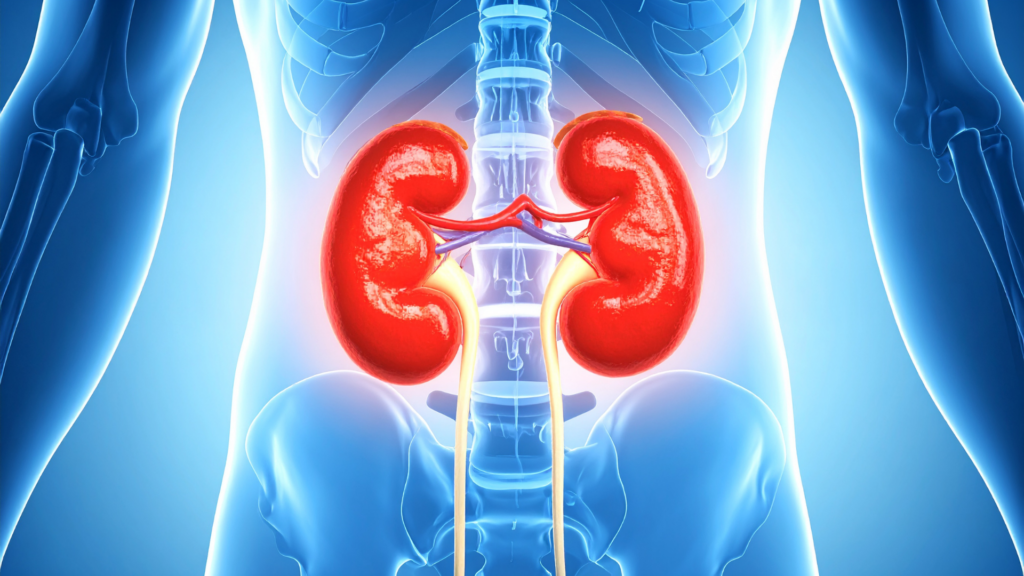
Kidney stones, also called kidney stones, are known above all for the intense pain they cause. Crises tend to appear suddenly and lead many patients to the emergency room. But not every stone is reduced to an isolated episode of pain. In some situations, the condition evolves and requires investigation and specialized treatment to avoid permanent damage to the kidneys.
How stones form and why they hurt so much
Kidney stones form when there is an excessive concentration of salts and minerals in the urine, such as calcium, oxalate and uric acid. Low fluid intake is one of the main factors involved, as it reduces urinary volume and favors the crystallization of these substances.
When the stone moves through the urinary tract, especially through the ureter, there is intense irritation of the mucosa and spasm of the local muscles. This explains the strong pain, usually cramping, which can radiate to the abdomen, groin or lower back. Nausea, vomiting and blood in the urine are also common symptoms during attacks.
When the stone becomes a bigger problem
Many small stones pass spontaneously, without the need for intervention. However, the risk increases when the stone is large, remains obstructing the flow of urine or is associated with infection. In these cases, kidney dilation, recurrent urinary infections and even impaired kidney function may occur.
Fever associated with low back pain is an important warning sign and requires immediate medical attention. Another point of attention are the recurring episodes. People who repeatedly form stones should be investigated, as there may be metabolic changes or eating habits that favor the formation of stones. Ignoring these situations can turn an episodic problem into a chronic illness.
Prevention, exams and treatment options
The diagnosis of kidney stones is made using imaging tests, such as tomography or ultrasound, which evaluate the size, location and impact of the stone on the kidney. The choice of treatment depends on these factors and the patient’s symptoms.
In many cases, conservative measures such as intense hydration and pain control are sufficient. When spontaneous elimination does not occur or complications arise, minimally invasive procedures, such as lithotripsy or endoscopic surgery, allow the stones to be safely removed or fragmented. The metabolic study of urine is essential in the investigation, as it helps to identify changes that favor the formation of stones. Performed through 24-hour urine collection, it evaluates parameters such as calcium, oxalate, citrate, sodium and urinary pH. This data makes it possible to individualize treatment to prevent new occurrences.
Prevention is an essential part of care. Increasing fluid intake, adjusting your diet and, in some cases, using specific medications help reduce the risk of new stones. Follow-up with a nephrologist is mainly recommended for those who have had more than one episode, ensuring a personalized and preventive approach.
Kidney stones should not be seen as just an isolated painful episode. In certain situations, it can seriously compromise kidney health. Investigating the cause, treating correctly and adopting preventive measures are fundamental steps to avoid recurrences and protect the kidneys in the long term.
Dra. Carlucci Ventura – CRM/SP 75746
Nephrologist
Membro da International Society of Nephrology
Membro da Brazil Health
