
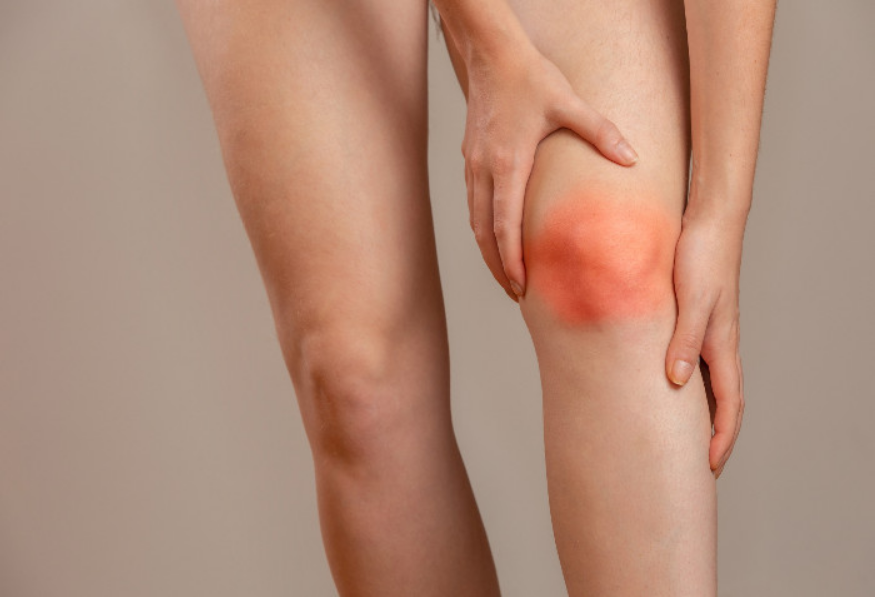
Dislocation occurs when there is a loss of joint congruity, that is, when the joint moves out of place and the bones that form it move. Patellar luxation happens when the kneecap, the bone located in front of the knee, moves from its natural position, usually to the outside. The episode is usually painful, accompanied by immediate swelling, difficulty bending the knee and, in some cases, the feeling that the bone has “gone out of place”. Although it can occur at any age, it is more common in teenagers, young adults and those who play sports that require quick changes of direction, such as football, volleyball and basketball. It is estimated that the annual incidence is 5 to 7 cases for every 100,000 people, but in risk groups, such as elite athletes, this number can be much higher.
Why dislocation may recur
The first dislocation may or may not be the result of a traumatic episode. In both cases there is a risk of recurrence; however, it tends to be greater in atraumatic cases. Studies estimate that up to 40% of patients may suffer a new episode after the first dislocation, with young age and anatomical changes being determining factors for this. When considering anatomical predispositions, risk factors for patellar dislocation include the high patella (when the kneecap is positioned higher than normal), the shallower femoral groove, which makes stability difficult, and ligament laxity, often related to family history. Muscle imbalance between the quadriceps and glutes can contribute to the patella not remaining in the correct axis during physical activities. Each new dislocation increases the risk of cartilage damage and, consequently, of early development of knee osteoarthritis.
Treatment and prevention strategies
Immediate treatment includes reducing the dislocation (repositioning the patella), temporary immobilization, and controlling pain and swelling. In many cases, especially after the first episode, it is possible to continue with conservative treatment, which includes physiotherapy to strengthen the thigh and hip muscles, movement re-education and proprioception exercises, which help to improve balance and joint stability. This approach can restore patient confidence and reduce the chances of reoccurrences.
When instability becomes recurrent or when there are relevant anatomical changes, surgery may be indicated. Among the available techniques are reconstruction procedures for the medial patellofemoral ligament (MPFL), responsible for keeping the patella in place, and bone corrections to better align the joint. The choice depends on the patient’s profile, injury history and sports practice. The goal is to restore stability to the knee, reduce pain and allow a safe return to activities.
Prevention also plays an important role. Quadriceps and glute strengthening exercises, regular stretching, and functional training help maintain proper patella alignment. In high-impact sports, monitoring with physical education professionals and physiotherapists can significantly reduce the risk of new episodes. In addition, patients who have already had a dislocation should maintain regular appointments with the orthopedist to monitor the health of the knee and avoid future complications.
Patella dislocation may seem like an isolated accident, but when not treated correctly, it can become a recurring problem and compromise quality of life. With accurate diagnosis, adequate treatment and preventive measures, it is possible to reduce risks and preserve joint health, allowing the patient to remain active and confident in their daily and sporting activities.
Dr. Pedro Debieux Vargas Silva – CRM/SP 121.778 | EQR 73,908
Orthopedist
Fellow in knee arthroplasty at Claude Bernard University, Lyon, France (2011).
Membro da Brazil Health
