
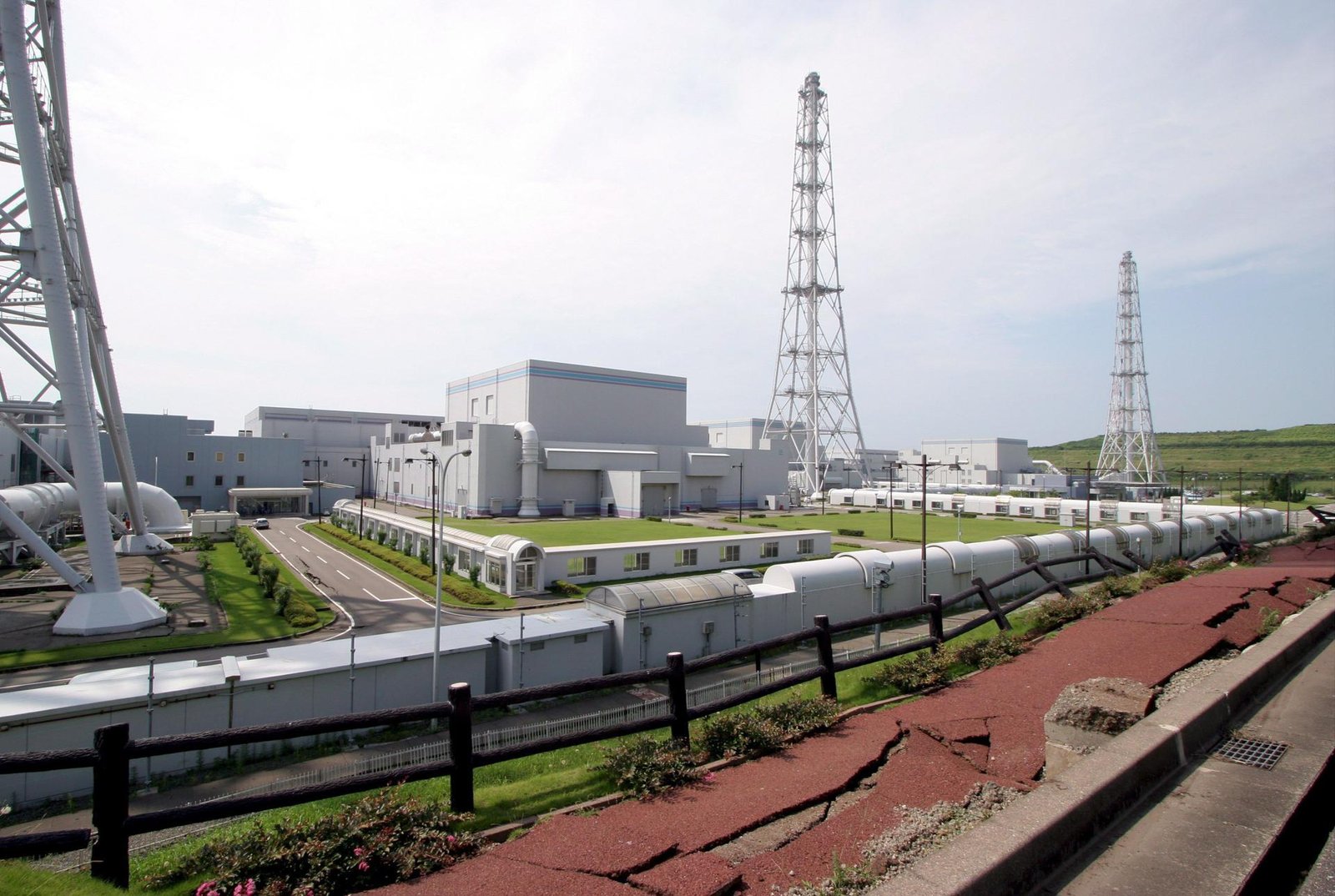
The Kashiwazaki-Kariwa (KK) nuclear plant, the world’s largest in terms of capacity, received this Monday (22) the green light for reactivation from authorities in Niigata Prefecture, almost 15 years after the atomic disaster in Fukushima.
The assembly of the province where the plant is located today approved a motion of confidence in the local governor, Hideyo Hanazumi, according to Japanese newspaper Asahi Shimbun, thus validating his plan to restart the plant operated by Tokyo Electric Power (TEPCO).
“We reached this result after a period of more than a year and a half, during which we thoroughly analyzed the opinions of the prefecture’s residents, but I believe it took us a lot of time,” Hanazumi told the press after the decision was announced, speaking to local television network NHK.
Hanazumi gave its approval last month for the reactivation of Kashiwazaki-Kariwa reactor 6, one of two that have approval from the national nuclear regulator to resume operations.
This second decision concludes the process that required obtaining local consent and, according to the Asahi Shimbunthe governor is expected to meet this Tuesday with the Minister of Economy, Trade and Industry of Japan, Ryosei Akazawa, to officially communicate the green light from the regional authorities.
However, the exact timing of the plant’s restart is yet to be determined, although TEPCO plans to resume reactor 6 operations around January 20.
The plant’s seven units have been idle since the Fukushima accident in 2011. Units 6 and 7 underwent reviews for reactivation in 2017, but were later ordered to remain inoperative due to security gaps against terrorist attacks. In December 2023, the measures adopted were approved and, since then, TEPCO has been carrying out the necessary procedures.
At the beginning of the year, the operator announced the postponement until 2029 of the completion of works necessary to put unit 7 into operation. If reactor 6 is activated, it will be the first in a TEPCO plant to return to operation.
Due to its capacity, the Kashiwazaki-Kariwa plant is a key part of TEPCO’s energy supply plan and is aligned with the government’s strategy of boosting nuclear energy to achieve emissions reduction targets.
