
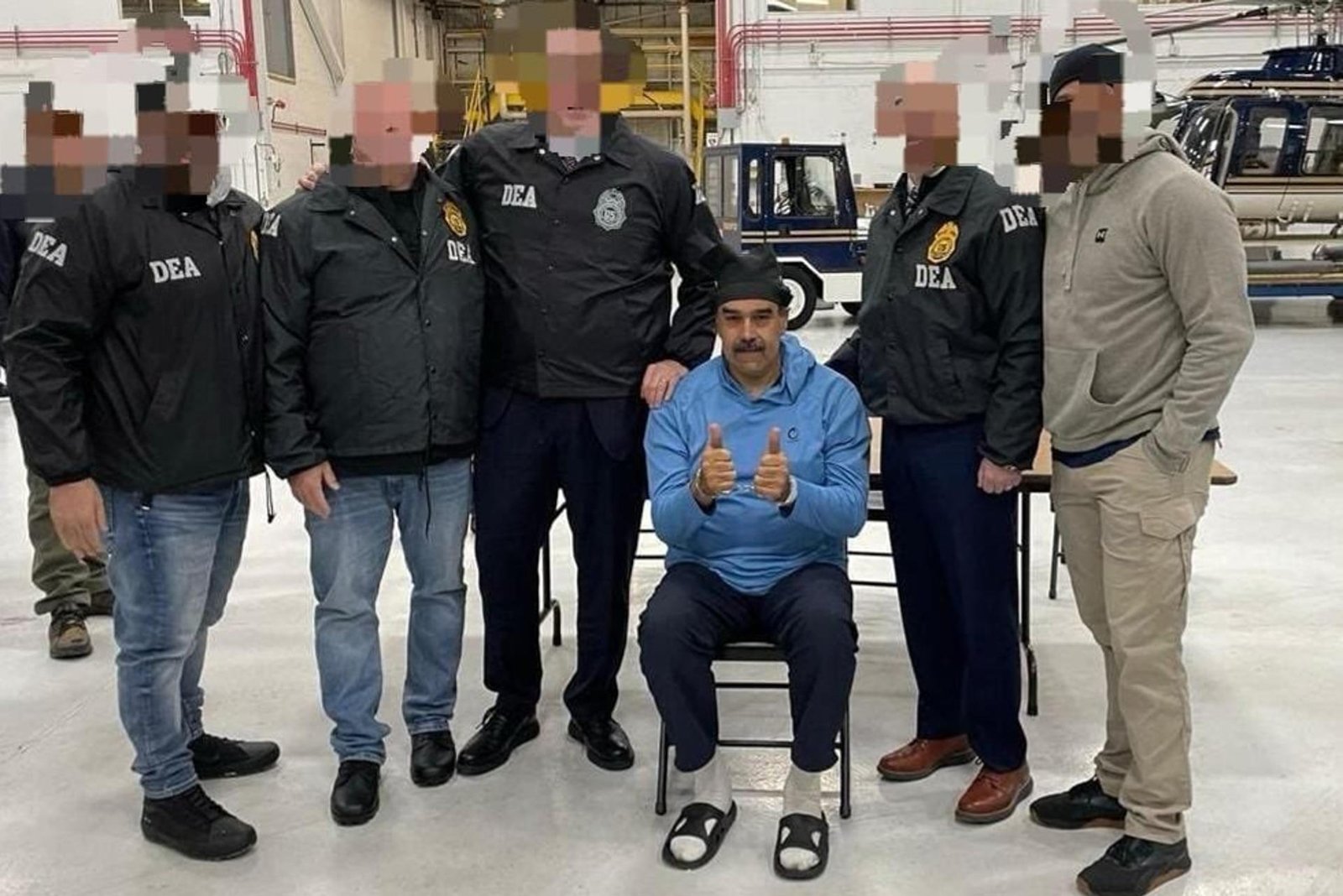
After the arrest of dictator Nicolás Maduro, his billion-dollar fortune, the result of corruption and drug trafficking, could be confiscated by the USA. The American plan foresees that resources will eventually be redirected to the reconstruction of Venezuela, but the legal process is complex and could take decades.
How big is Maduro’s fortune?
Officially, his declared wealth is around US$3 million. However, investigations point to a much greater hidden fortune, coming from corruption and illicit activities. In luxury goods alone, such as yachts and mansions, US$700 million has already been seized. The total amount diverted could exceed US$60 billion, spread across family accounts and tax havens.
How can the US confiscate these assets?
American legislation has tools for this, such as laws that punish corruption abroad and narcoterrorism. These rules allow the government to freeze and take possession of assets that are under its jurisdiction or that have passed through the country’s financial system, something common in large-volume international transactions.
Can confiscated money really go back to Venezuela?
Yes, but the road is long and the return would be supervised by the USA. The resources could be used for humanitarian aid or rebuilding the country’s infrastructure. However, the bills that would create a specific fund for Venezuela with this money have not yet been voted on in the American parliament, which makes the return uncertain.
Is it easy to recover all the embezzled money?
No, it is an extremely difficult process. The fortune is spread across several countries, many with strict bank secrecy laws. International cooperation and concrete evidence is needed to trace and repatriate the valuables, which are generally protected by a complex network of shell and “orange” companies.
Has this ever happened to other dictators?
Yes. The fortunes of tyrants like Saddam Hussein (Iraq) and Moammar Gaddafi (Libya) were partially confiscated after their falls. However, experience shows that full recovery of values is very rare. In the case of Panamanian Manuel Noriega, for example, many assets were never directly linked to him and the process dragged on for years.
This content was generated with artificial intelligence. To access the information in full and delve deeper into the topic, see the report below.
SEE ALSO:
- With Maduro imprisoned in the USA, billion-dollar assets could be confiscated and returned to Venezuela
