
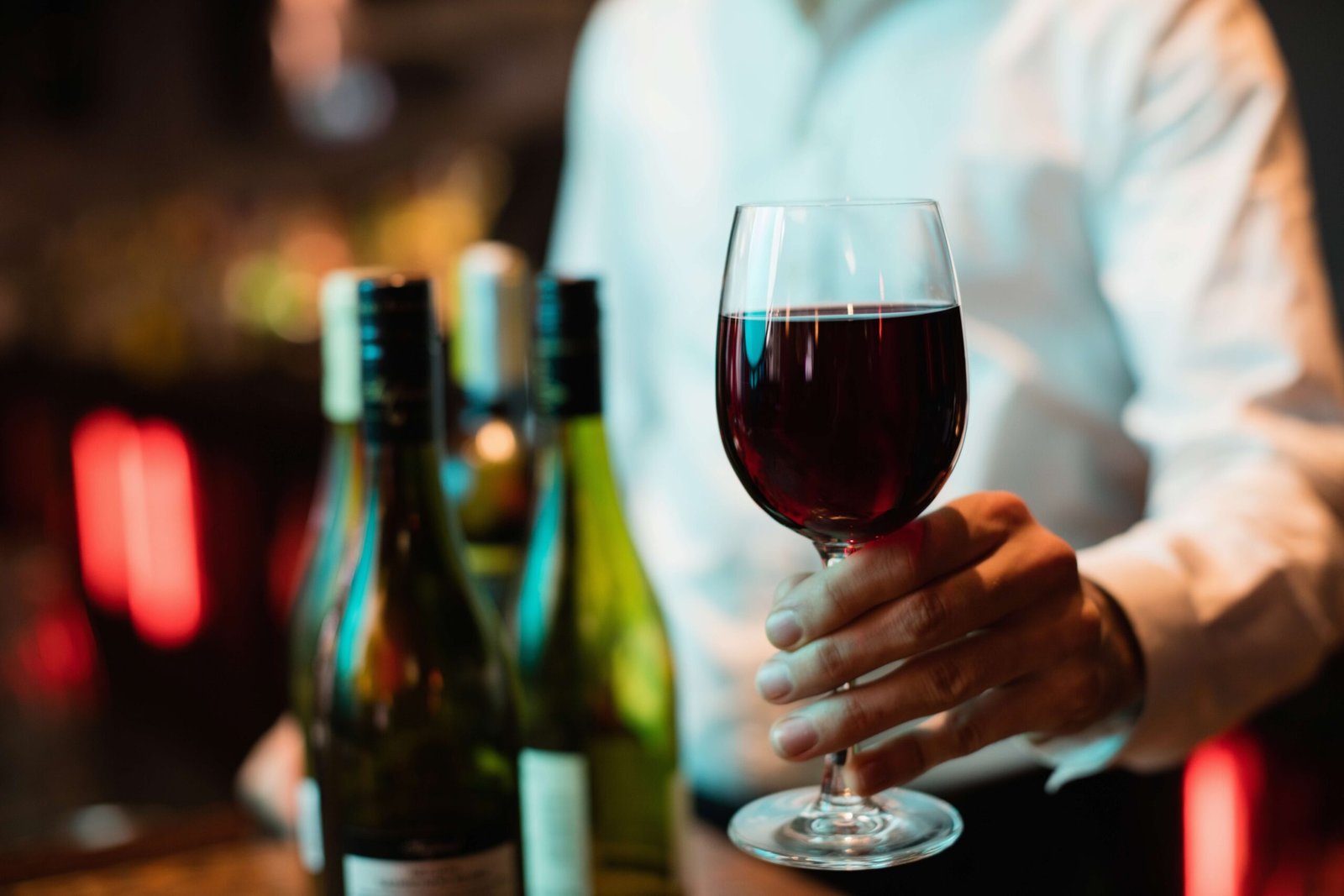
Ipea’s estimate is that Brazil will be the country most benefiting from the agreement between Mercosur and the EU. After more than 25 years of negotiations, the trade agreement between Mercosur and the European Union is entering the final stretch, and it is now possible to foresee how it will change the flow of goods between the two blocs. In Brazil, the effects tend to reach both everyday consumption and productive sectors, such as industry and agribusiness. To g1, the professor of International Relations at the Federal University of São Paulo (Unifesp), Regiane Bressan, assesses that one of the most noticeable changes should directly affect the consumer: the greater presence of traditional EU products in the Brazilian market. 📱Download the g1 app to see news in real time and for free “Integration in an agreement like this tends to favor end consumers above all, who now have access to cheaper products. This happens on both sides”, says Bressan. 🤝 The objective of the treaty is to facilitate trade between the 27 countries of the European Union and the four Mercosur countries — Brazil, Argentina, Paraguay and Uruguay —, reducing customs duties on both European products sold in Brazil and Mercosur products exported to Europe. 📊 The agreement covers a market of 720 million consumers — 450 million in Europe and 270 million in South America —, equivalent to around 25% of global GDP. 💰 Estimates from the Institute for Applied Economic Research (Ipea) indicate that Brazil should be the main beneficiary of the agreement. By 2040, the signature could increase the national Gross Domestic Product (GDP) by 0.46%, growth higher than that projected for the European Union and other Mercosur countries. See which countries are involved in the EU-Mercosur Agreement. Art/g1 Who wins? Among the items that could gain space are wines, cheeses and dairy products, which will now have differentiated access to the country, paving the way for a gradual reduction in prices over time. Rodrigo Provazzi, CEO of Provazzi Consultoria and risk management executive, highlights that other supermarket items, such as olive oil, chocolate and some distilled drinks, are also expected to see a drop in prices in the coming years. “From the point of view of the internal market, it is important to highlight that we are already large buyers, mainly of products with higher added value from the EU. The expectation is for price reductions in the medium and long term”, says Provazzi. This reduction occurs, in large part, due to the gradual elimination of customs duties. Cars imported from Europe, for example, currently face 35% taxation, which should be eliminated within 15 years, contributing to the lower price of these products. However, the price drop tends to be gradual, especially in complex items such as automobiles, due to the dependence on a global chain of components — including inputs from China. “This process can take two to three years”, explains the consultant. While food and vehicles attract more consumer attention, medicines and pharmaceutical products — including those for veterinary use — remain the main items imported from the EU, representing more than 8% of the total, according to data from the Ministry of Development, Industry, Commerce and Services (MDIC). INFOGRAPHIC – Who wins and who loses with the agreement between the European Union and Mercosur Art/g1 Effects on domestic production costs The effects of the agreement, however, are not limited to imported final goods and also affect inputs used in production. Although the immediate impact is perceived on consumption, the measure tends to influence the Brazilian production structure. Access to cheaper European technologies can reduce costs for national companies and encourage investments in modernization. Leonardo Munhoz, researcher at the Bioeconomy Center at Fundação Getulio Vargas (FGV), explains that the elimination of tariffs should make technologies used in the field cheaper. “Machines, equipment and tractors, as well as chemicals, fertilizers and agricultural implements, as well as drones and precision agriculture systems — such as sensors and telemetry — are imported from Europe and should have lower costs for producers,” says Munhoz. The impact is not restricted to agribusiness. The agreement should also increase the import of manufactured goods and technologies for Brazilian industry, reducing costs and making investments in modernization more viable. According to the Unifesp professor, exporting products with greater added value to the EU can generate more jobs than selling commodities to other markets. “The greater added value involved in these exchanges changes the dynamics of the local industry”, adds Bressan. Will exported products become more expensive? The EU-Mercosur agreement also paves the way for the expansion of Brazilian exports of footwear, fruit and other agricultural products. Last year, these sales were already growing: exports from Brazil to the EU reached US$49.8 billion. Despite this, the trade balance remains more favorable to the European bloc, which exported US$50.3 billion to Brazil. According to the Brazilian Export and Investment Promotion Agency (Apex), the agreement creates a trade network valued at US$22 trillion, with the potential to increase Brazilian exports by an additional R$7 billion. Footwear produced in Mercosur, currently subject to tariffs of 3% to 7% in the EU, must have these rates zeroed within four years. In some cases, such as grapes, the 14% tax will be eliminated as soon as the agreement comes into force. Rodrigo Provazzi warns that agribusiness products exported in greater volume could have prices increase on the domestic market due to reduced supply. Still, he considers it unlikely that this will significantly affect Brazilians’ pockets. “The macroeconomic effects on inflation are small and should not be relevant in the short term”, he states. “For the consumer, the impact tends to be positive and, even with the increase in exports to Europe, there is no risk of price increases, as the sectors quickly find substitute markets.” Leonardo Munhoz highlights that the agreement generates benefits, such as lower commercial risk and easier access to the European market of around 500 million consumers. “But I don’t see these gains automatically and homogeneously for everyone. This will vary from sector to sector, depending on the elimination of tariffs.” For the FGV-Agro researcher, the gains from the agreement for agribusiness tend to spread throughout the entire production chain, benefiting large producers as well as small and medium-sized producers who export through trading companies — intermediary companies responsible for logistics, documentation and marketing abroad. “This effect will be cascading: the large exports directly, but the small depends on a trader to sell. Thus, all links in the chain end up feeling the benefits of the agreement”, explains Munhoz. INFOGRAPHIC – Next steps for the agreement between the European Union and Mercosur Art/g1 EU-MERCOSUR Agreement REUTERS
Source link
From wine to medicines: how should the EU-Mercosur agreement affect Brazilians’ pockets?
50
