
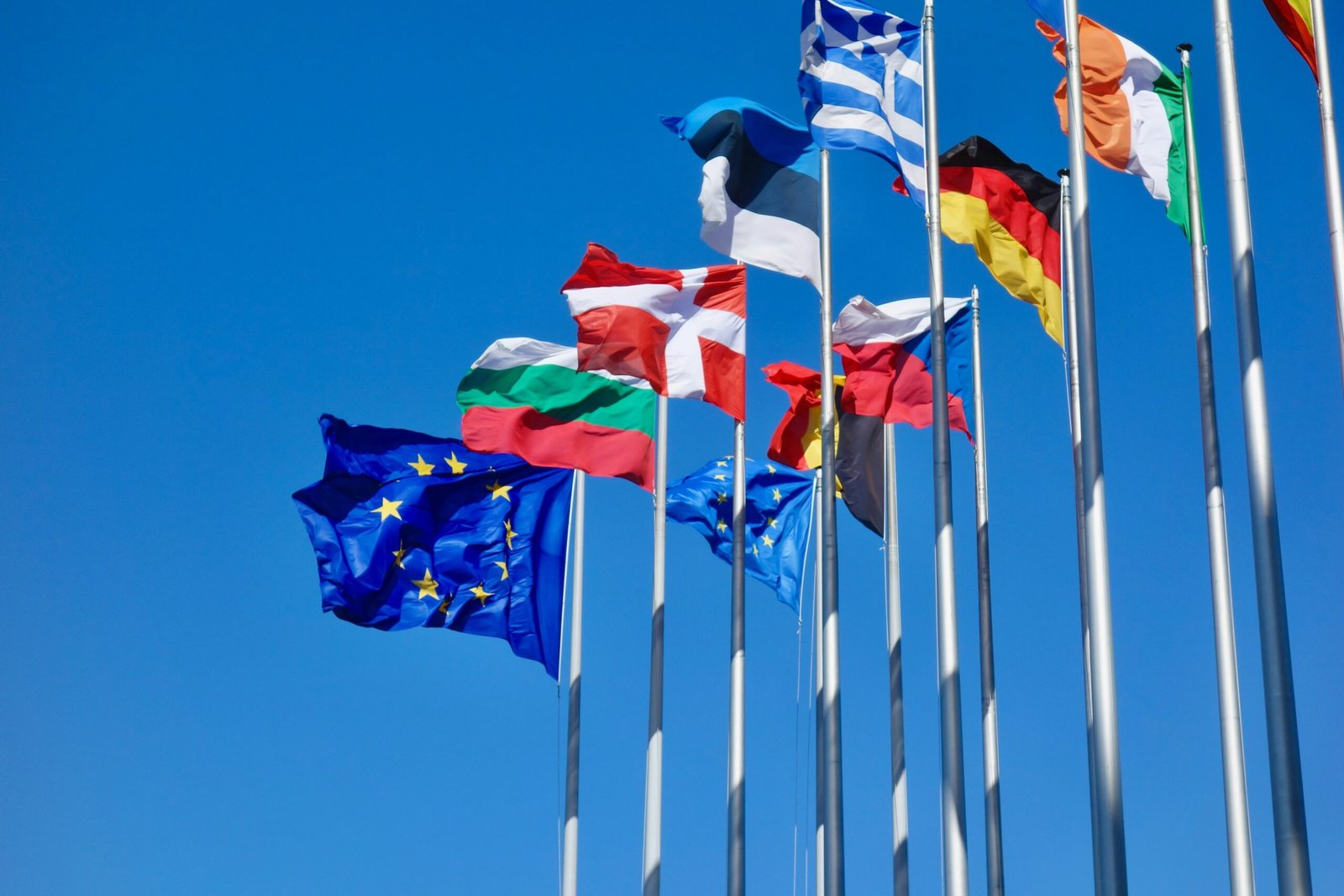
European Commission approves agreement with Mercosur The European Union approved this Friday (9) the trade agreement with Mercosur. This will be the largest free trade zone in the world, which has been negotiated for more than 25 years. The treaty still needs the approval of the European Parliament to be ratified to enter into force, but approval paves the way for the text to be signed between the blocs. The expectation is that Mercosur will sign the agreement with the EU on January 17th. Understand what remains for the trade agreement to be definitively approved and the next steps. 📱Download the g1 app to see news in real time and for free See which countries are involved in the EU-Mercosur Agreement. Art/g1 1. Formalization of votes After provisional approval by the Committee of Permanent Representatives (Coreper), a body composed of ambassadors from EU Member States, the votes were formalized. The bloc’s capitals had until 5pm Brussels time (1pm Brasília time) to confirm their votes in writing. This afternoon, Cyprus, which holds the rotating presidency of the bloc, confirmed the accession of European countries by a “large majority”. 2. Formal signature With the qualified majority confirmed, the President of the European Commission, Ursula von der Leyen, will be authorized to sign the agreement on behalf of the European Union. The formal signing was expected for Monday (12), in Paraguay, which holds the rotating presidency of Mercosur, but should take place on Saturday (17), according to the Ministry of Foreign Affairs. Signing, however, does not mean that the agreement becomes effective immediately. After this stage, the treaty will proceed to internal ratification processes. 3. When it comes into force In the case of the European Union, the text will need to be analyzed by the European Parliament. Depending on the legal interpretation, parts of the agreement may also have to be approved by the national parliaments of member countries. On the Mercosur side, the agreement will also have to go through the national Congresses of Brazil, Argentina, Paraguay and Uruguay. 🔎 The agreement creates legal obligations within each Mercosur country, such as tariff reductions, changes to trade rules and regulatory commitments. Meanwhile, the European Union and Mercosur countries will be able to discuss the provisional application of parts of the treaty, especially those related to the reduction of fees, which would make it possible to anticipate some economic effects before full ratification. The agreement only becomes fully valid after all internal approvals are completed in both blocks. The EU-Mercosur agreement Negotiated more than 25 years ago, the agreement provides for the gradual reduction of tariffs, common rules for trade in industrial and agricultural products, investments and regulatory standards. The treaty will create one of the largest free trade areas in the world, linking the two blocs in a market of more than 700 million people. However, the negotiations divided the European Union. Countries such as Germany and Spain support the treaty as they see opportunities to expand exports, reduce dependence on China and guarantee access to strategic minerals. France — which secured support from some countries, such as Poland, Ireland and Austria — is opposed, mainly because it fears losses to the agricultural sector in the face of competition from cheaper South American products. Farmers and environmentalists also criticize the agreement. The final text attempts to balance these interests, with safeguards for European agriculture and stricter environmental requirements. For Mercosur, Brazil has a central role: it needs to demonstrate advances in sustainability and environmental control to facilitate ratification and expand access to the European market. See the deal timeline below. Flags of European Union countries at the headquarters of the European Parliament, in Strasbourg, France Antoine Schibler/Unsplash
Source link
EU-Mercosur Agreement: understand the next steps, from signature to entry into force
27

previous post