
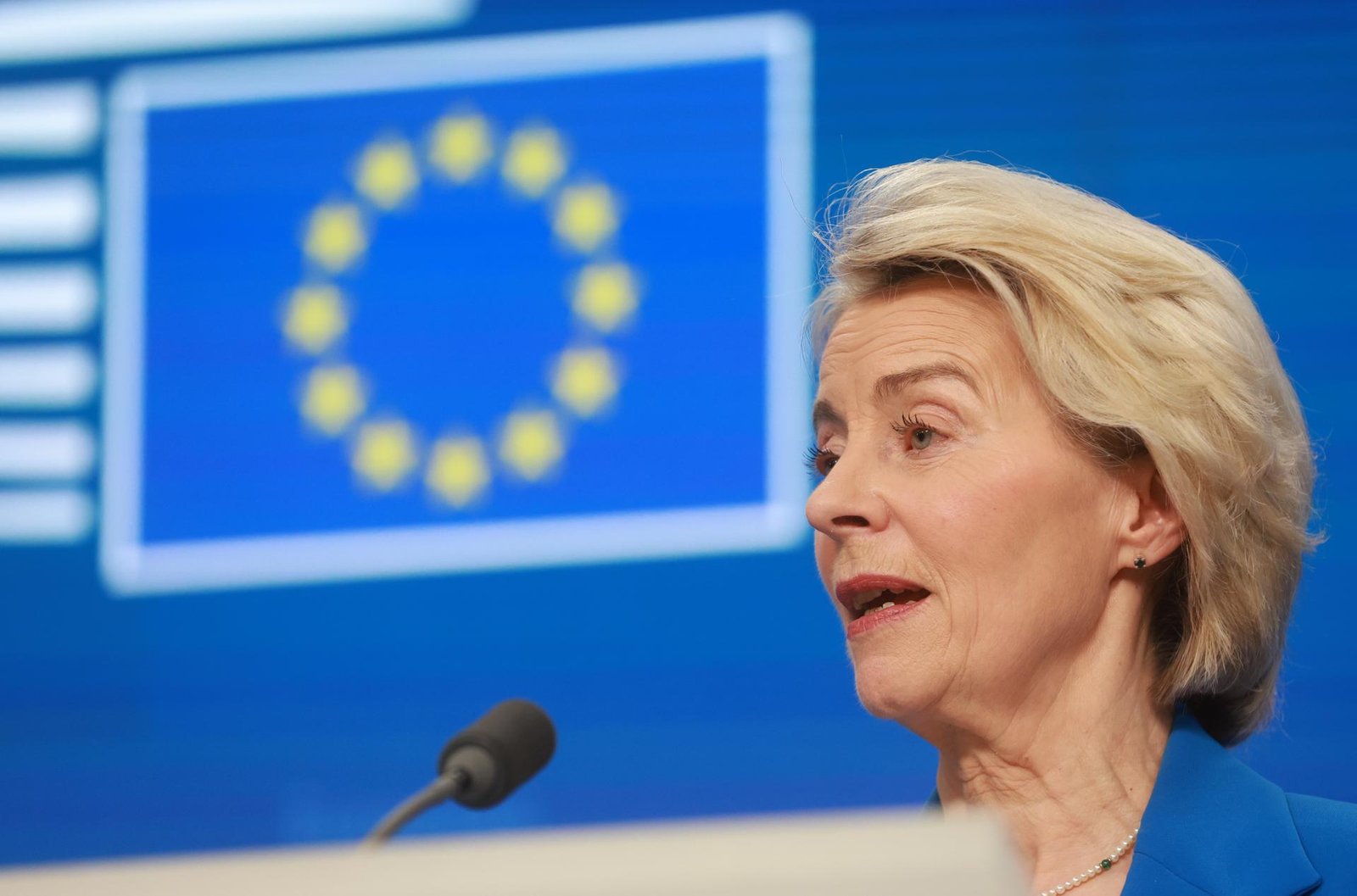
The European Union (EU) confirmed this Sunday (11) that it will sign the free trade agreement with Mercosur next Saturday (17), ending one of the longest and most complex trade negotiations in recent history. The formalization will be carried out by the president of the European Commission, Ursula von der Leyen, after the political approval of the text by the bloc’s member states, which took place at the beginning of January.
The treaty involving Brazil, Argentina, Paraguay and Uruguay creates one of the largest free trade areas in the world, bringing together around 780 million consumers. The progress of the agreement occurred despite open resistance from countries such as France, Ireland, Poland, Hungary and Austria, which allege risks to the European agricultural sector in the face of greater openness to South American products, especially beef, sugar and ethanol.
Even so, the necessary qualified majority was reached on Friday (9), allowing the process to continue. The European Commission argues that the treaty is strategic to strengthen the competitiveness of European industry, diversify trading partners and reduce dependence on markets such as the United States and China in a global scenario marked by growing geopolitical tensions and fierce trade disputes.
On the Mercosur side, the agreement is seen as a historic opportunity to expand access to a market with high purchasing power, with a gradual reduction in tariffs on most exports over the course of up to 15 years. The understanding also provides for rules on government purchases, intellectual property and environmental commitments, a sensitive point in negotiations and central to criticism from European environmentalists.
Signing the treaty, however, does not mean its immediate entry into force. The text will still need to be ratified by the European Parliament and, subsequently, by the national parliaments of Mercosur countries. Until these stages are completed, the agreement remains a political commitment, subject to internal debates and possible legislative obstacles.
Even so, the decision to move forward with the signature is interpreted as a relevant political gesture by the EU in defense of multilateralism and trade openness, after more than two decades of negotiations marked by impasses, setbacks and reversals.
SEE ALSO:
- EU-Mercosur Agreement: Why has Brazil become a key player in European geopolitics?
