
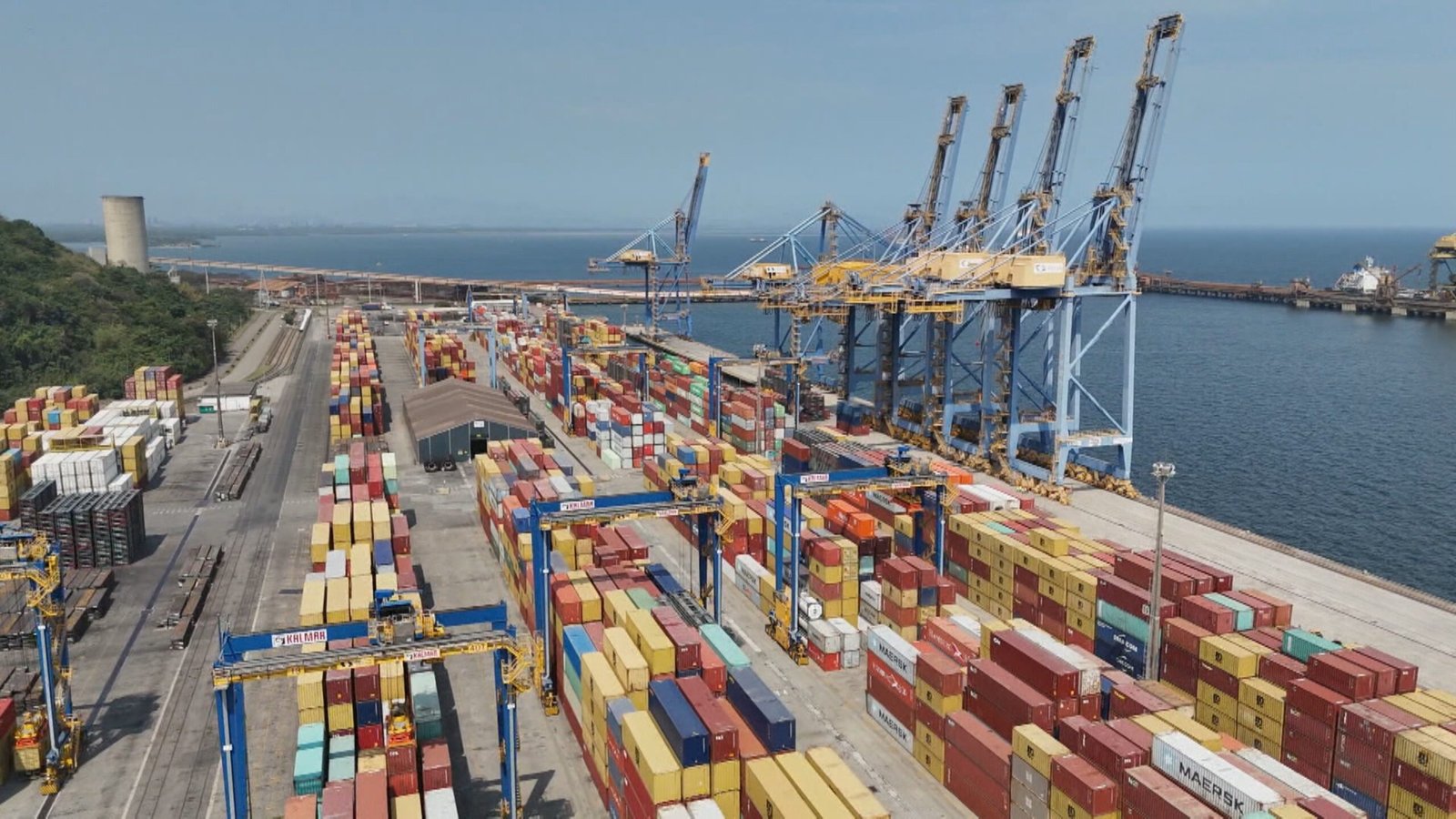
Mercosur-EU Agreement paves the way for lower prices A survey by the National Confederation of Industry (CNI) shows that more than five thousand Brazilian products will have import taxes zeroed in the European Union as soon as the agreement between Mercosur and the European Union comes into force. According to the CNI, 54.3% of products negotiated under the agreement will have import taxes zeroed in the European Union as soon as the treaty comes into force. On the Mercosur side, Brazil will have longer deadlines for tariff reduction. 🌎 According to the entity, the measure significantly expands Brazil’s access to global trade and creates a new level of international insertion for the national industry. 📈 The preferential and free trade agreements in which Brazil currently participates cover around 8% of global imports of goods according to the CNI. With the entry into force of the agreement with the European Union, this percentage should rise to 36%, considering that the European bloc accounted for 28% of global trade in 2024. “On the Mercosur side, Brazil will have longer deadlines, between 10 and 15 years, to reduce tariffs on 44.1% of products (4.4 thousand items), ensuring a gradual and predictable transition”, stated the CNI. For the confederation, this design guarantees a transition considered predictable for Brazilian industry, allowing productive and technological adjustments before the total opening of some sectors. Industry concentrates trade between Brazil and the European Union Data cited by the CNI show that industry supports the majority of bilateral trade between Brazil and the European Union. In Brazilian exports to the European bloc, 46.3% corresponded to industrial goods. Considering only industrial inputs, the share was 56.6% of imports and 34.2% of exports in 2024, reinforcing, according to the CNI, the complementarity between the economies and the role of the agreement in modernizing the national industry. Containers in port in RJ Reproduction/TV Globo 💵 In 2024, the European Union was the destination for US$48.2 billion of Brazilian exports, equivalent to 14.3% of the country’s total exports, remaining Brazil’s second main foreign market. 💰 In the same period, the bloc accounted for US$47.2 billion of Brazilian imports, which represented 17.9% of the total. On the import side, 98.4% of products coming from the European Union were goods from the manufacturing industry. Negotiations started in 1999 Negotiations began in 1999 and went through periods of standstill, resumption and technical and political revisions over the years. The treaty provides for the reduction or gradual elimination of tariffs on more than 90% of trade between the two blocs, with different deadlines for sectors considered sensitive. The expectation is that the economic effects will occur progressively, as the implementation stages are completed and the agreement is ratified. Lula does not attend the signing ceremony in Paraguay President Luiz Inácio Lula da Silva (PT) did not participate in the signing ceremony of the agreement in Asunción. Brazil was represented by the Minister of Foreign Affairs, Mauro Vieira. Lula remained in the country and carried out an official schedule in Brasília. Before the signing in Asunción, Paraguay, Lula met in the previous days with the president of the European Commission, Ursula von der Leyen, in Rio de Janeiro, a meeting interpreted by Planalto as a political sign of support for closing the agreement, even without the presence of the Brazilian president at the formal event.
Source link
Five thousand Brazilian products will have zero tax in the European Union with an agreement with Mercosur in force, says CNI
51
