
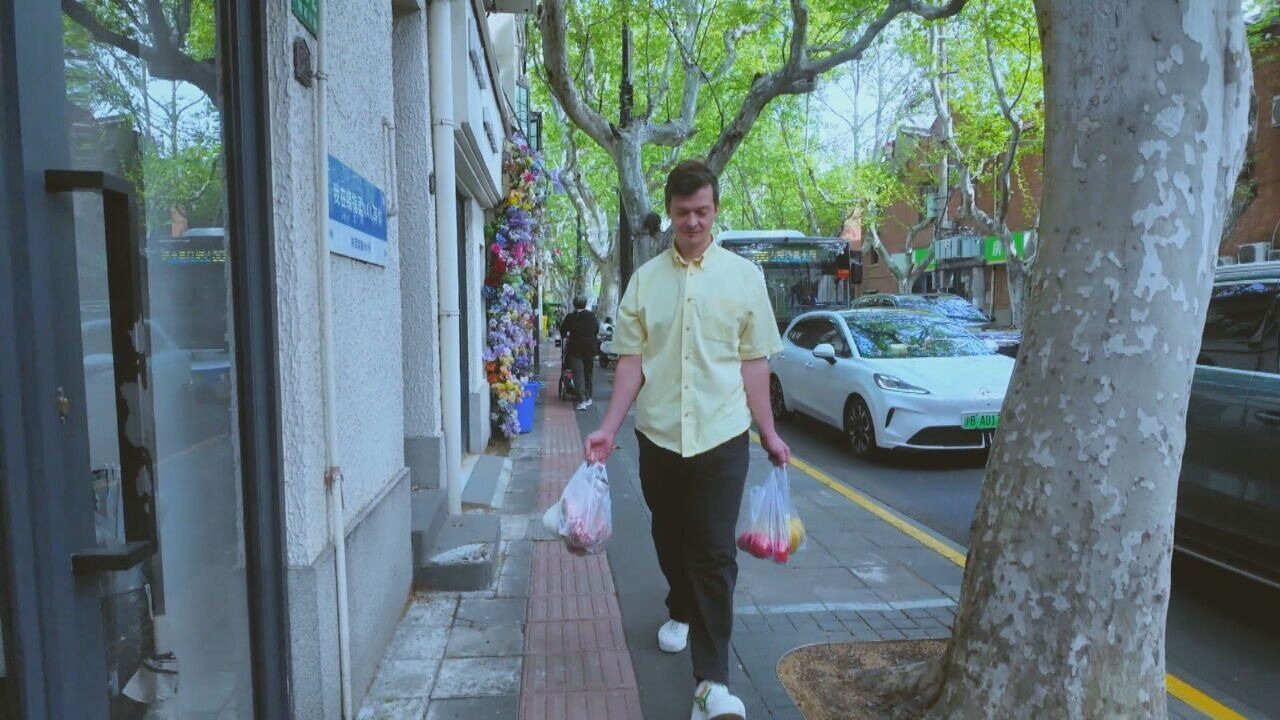
Food security: a challenge of strategy and survival between the USA and China The series “Between Two Worlds”, by Fantástico, reveals a profound contrast between China, the United States and Brazil when it comes to food — especially in the consumer’s pocket. A comparison of basic items shows the contrast. In China, a dozen eggs cost around R$4.75. In Brazil, the same product costs approximately R$ 12. In the United States, the price can reach R$ 50. The difference is repeated in other foods: Rice: a kilo in China is R$ 5, a similar value to Brazil, and up to R$ 14 in the USA Tomatoes: R$ 5 in China, R$ 10 in Brazil and R$ 14 in the USA Fish: R$ 18 in China, R$ 40 in Brazil and R$ 60 in the USA The impact of these prices also appears on the plate. Each Chinese person consumes, on average, more than 400 kilos of fresh vegetables per year. In the United States, the number drops to around 130 kilos. Furthermore, at a large lunch for several people in Shanghai, the bill is surprising: around R$50 per person, with leftover food. Why does China have fresh and cheap food, and the USA expensive and ultra-processed? Food security: a strategy and survival challenge between the USA and China Reproduction/TV Globo Chinese model: fresh, cheap and nearby food The Chinese model combines strong State action with incentives for local production. In big cities like Shanghai, fresh food is sold at markets and small stalls near homes — often with rent subsidized by the government to keep prices low. In addition, there is heavy investment in agricultural technology, production subsidies and indirect price controls. The country also maintains strategic food stocks and policies to balance supply and demand, which helps to avoid sudden fluctuations. Another factor is logistics: the chain is shorter, with fewer intermediaries. The profit margin for wholesalers is around 3%, well below the around 15% in the United States. United States: expensive and more industrialized food On the other hand, the United States faces an opposite scenario. Millions of people live in so-called “food deserts,” areas where you have to drive at least half an hour to find fresh food. What remains are often ultra-processed products. Concern about the cost of living dominates the political debate. Programs like SNAP (the “food stamps”) help around 40 million Americans, but they consume much larger amounts than similar programs in Brazil — and yet they do not prevent prices from rising. Brazil in the middle of the road Brazil appears as a point of balance in this comparison. In several basic items, Brazilian prices are between China and the United States. The country is one of the largest food producers in the world, but faces historic logistics, inequality and income bottlenecks. While China acts heavily on origin — production, transportation and supply — Brazil and the USA focus their efforts on consumption, with income transfer programs to guarantee access to food. In Brazil, Bolsa Família serves around 50 million people. At the same time, the country is gaining ground on the global board: with the trade war between China and the United States, Brazilian soybeans advanced, becoming even more strategic for feeding the Chinese market. Food security: a challenge of strategy and survival between the USA and China Reproduction/TV Globo Listen to the Fantástico podcasts ISSO É FANTÁSTIC The Isso É Fantástico podcast is available on g1 and the main podcast apps, bringing great reports, investigations and fascinating stories on podcast with the Fantástico journalism seal: depth, context and information. Follow, like or subscribe to Isso É Fantástico on your favorite podcast player. Every Sunday there’s a new episode.
Source link
Dozen of eggs for R$4 in China and up to R$50 in the USA: see the contrast in food prices and comparison with Brazil
9
