
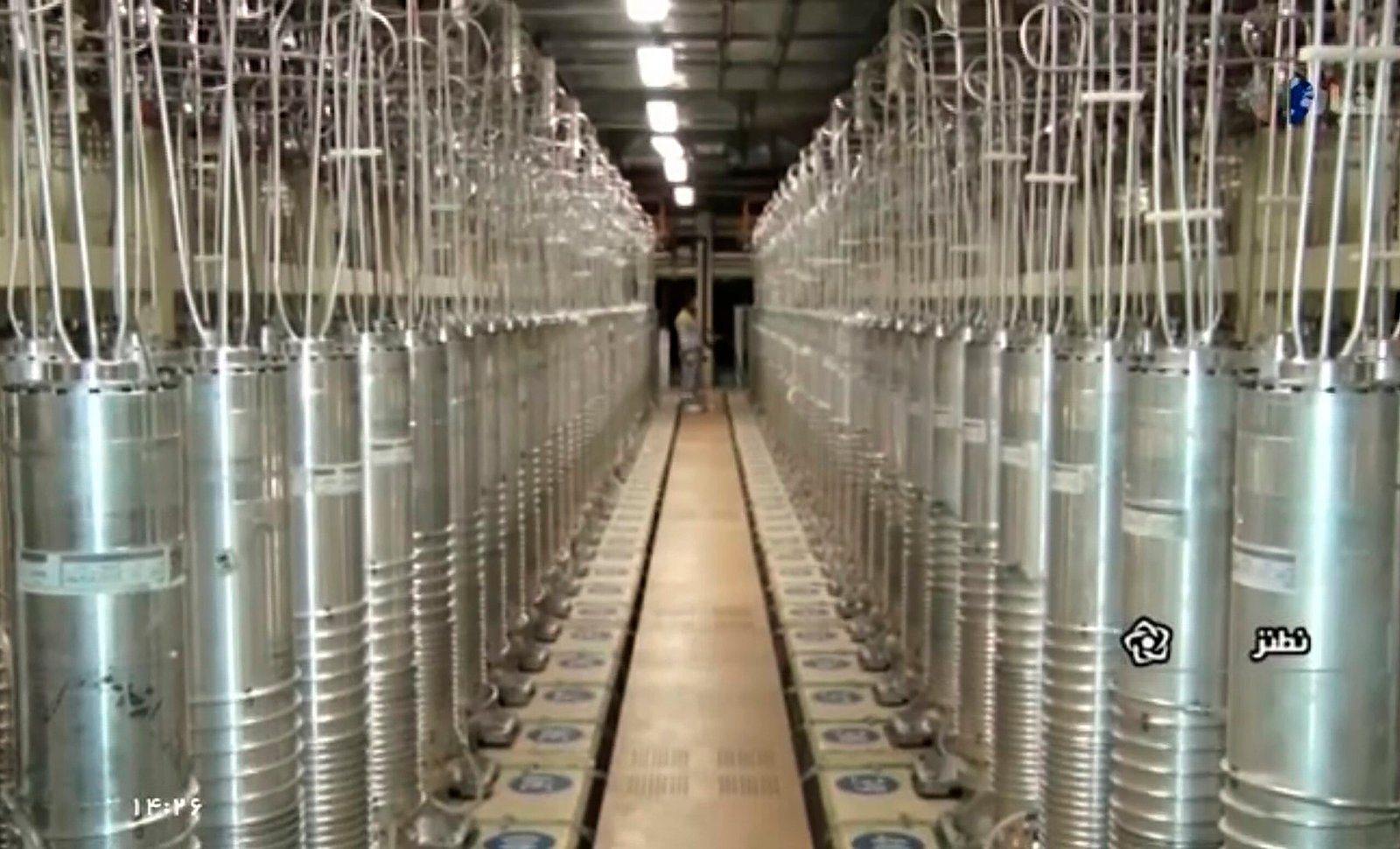
Uranium enrichment centrifuges at the Natanz plant, in Iran. IRIB via AP, File Uranium enrichment, linked to the development of nuclear weapons, is one of the main impasses in negotiations for a peace agreement in the war between the USA, Israel and Iran. The divergence on the topic was central to the failure of negotiations between Washington and Tehran, which took place in Islamabad, Pakistan, last weekend and which ended without an agreement. ✅ Follow the g1 international news channel on WhatsApp LIVE: Follow the latest news about the war See the videos that are trending on g1 20 years x 5 years One of the main points discussed between the representatives of the two powers at the meeting in Pakistan was a deadline for the suspension of Iranian nuclear activity. ➡️The US has proposed suspending Iranian nuclear activity for 20 years, according to sources heard by The New York Times on Monday (13). This would allow Iran to claim that it has not permanently given up its right under the Nuclear Non-Proliferation Treaty to produce its own nuclear fuel, according to the newspaper. ➡️But Iran responded to the proposal by resuming a previous suggestion: to suspend nuclear activity for five years. The information was disclosed to The New York Times by two high-ranking Iranian officials and an American official. The countries did not reach a consensus. According to the newspaper, the Iranians had already made a similar proposal in February, during failed negotiations in Geneva that convinced Trump that it was time to go to war. Removing uranium vs. diluting it Another sensitive point discussed between the US and Iran was the withdrawal of uranium. ➡️The US demanded that Iran remove around 440 kilograms of almost bomb-level uranium from the country, to ensure that it cannot be used in a military nuclear project, according to the North American newspaper. Trump even considered sending ground troops to Isfahan to ensure control of this material, stored in underground facilities, according to The New York Times. ➡️Iran insists that uranium must remain in the country, but proposed — as it had already done in Geneva — to significantly dilute it so that it cannot be used in the production of a nuclear weapon. Why is uranium enrichment controversial? Uranium has a variant called U-235, used as fuel and for weapons production. However, the uranium found in nature only contains 0.72% of this element. The uranium enrichment process increases the concentration of U-235. This is done in centrifuges, which spin at high speeds to separate U-235 from other types of uranium, using a gas called uranium hexafluoride. Uranium with a low concentration of U-235 (3% to 5%) is used as fuel for nuclear power plants. Levels above 20% are generally used for research. When enrichment reaches around 90%, the material can be used to produce nuclear weapons. Therefore, this process is highly sensitive and monitored by the International Atomic Energy Agency. How the negotiations are going After the meetings, US Vice President JD Vance told reporters that Washington needs a clear commitment that Iran will not seek to develop a nuclear weapon nor the means that would allow it to be obtained quickly. “This is the central objective of the president of the United States. And this is what we try to achieve through these negotiations”, he stated this Sunday (12). The topic should be discussed again in the coming days. According to the New York Post, Trump stated that new meetings between the countries should take place “over the next two days”, also in Pakistan. “You should stay there, really, because something could happen in the next two days, and we’re more inclined to go there,” Trump said, according to the New York Post. See more: Understand the 3 main points of divergence for a ceasefire between the US and Iran Why did Trump decide to block the Strait of Hormuz after defending its opening so much?
Source link
What to do with enriched uranium? Understand the nuclear impasse at the center of negotiations between the US and Iran
34
