
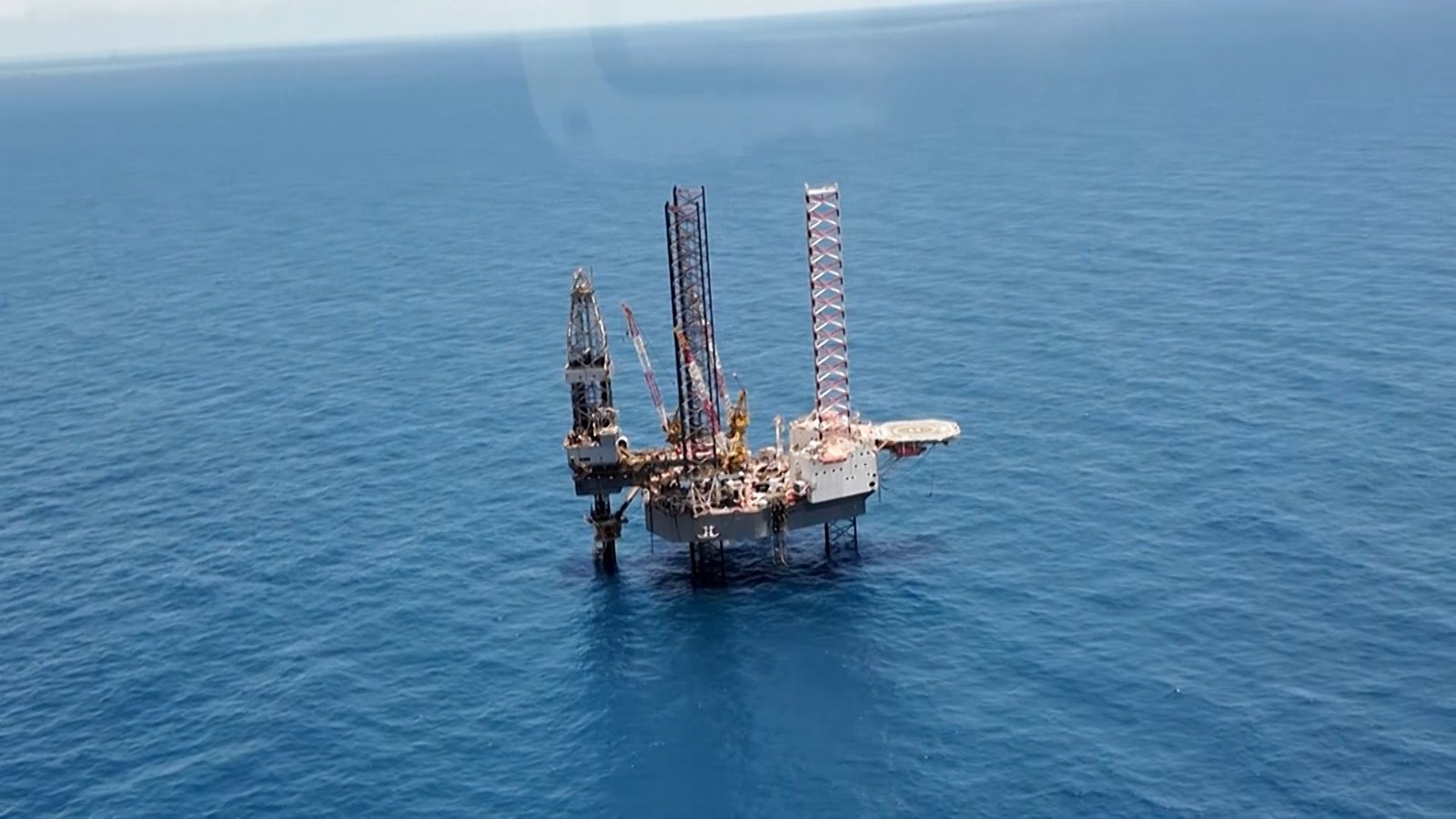
Oil platform in Sergipe Jeová Luiz/TV Sergipe Oil prices rose for the 8th day in a row this Wednesday (28) and reached their highest level in almost four years, driven by tensions in the Middle East. In addition to the impasse in peace negotiations between the United States and Iran, investors also continued to evaluate the United Arab Emirates’ exit from the Organization of Petroleum Exporting Countries (OPEC) and OPEC+, which brings together the group’s strategic allies. According to data from Bloomberg, Brent oil, an international reference, was up 7.09% at around 1:10 pm, quoted at US$119.15 per barrel — the highest level since June 10, 2022, when it reached US$122.01. West Texas Intermediate (WTI), from the United States, rose 6.62% at the same time, to US$ 106.55. See the trending videos on g1 Trending videos on g1 See the oil price: 🔍 The Brent type is the main classification of crude oil for the European and Asian markets. It is the reference used by Petrobras to define fuel prices in the domestic market. Extracted mainly in the North Sea, classified as “light” and “sweet” due to its low density and low sulfur content, which facilitates refining into gasoline and diesel. The advance in commodity prices gained strength in the morning, after US President Donald Trump once again threatened Iran. In a post on his social networks, the Republican shared a montage in which he appears holding a rifle, with explosions in the background, with the message “no more playing nice”. “Iran can’t organize itself. They don’t know how to sign a non-nuclear deal. They better get smart soon!” Trump said. According to international media, the US president is dissatisfied with Iran’s proposal to end the war. The expectation is that the American government will respond in the coming days. Iran has stated that it will only allow commercial ships to pass through the Strait of Hormuz again after the definitive end of the war with the United States and Israel. The resumption of traffic will also depend on compliance with security protocols defined by Tehran. The escalation of tensions is also compounded by the United Arab Emirates’ exit from OPEC and OPEC+ as of May 1, announced the day before. The decision dealt a major blow to the group and to Saudi Arabia, its main leader. UAE Energy Minister Suhail Mohamed al-Mazrouei confirmed the departure to Reuters and explained that the decision was taken after a detailed analysis of the country’s energy strategies in the region. The unexpected departure of the UAE, a member of OPEC since 1967, comes at a time when the conflict with Iran has caused an unprecedented energy crisis and affected the world economy. The decision could generate instability and weaken the group, which generally tries to maintain an image of unity, despite internal disagreements on issues such as international politics and production limits. When asked whether the UAE had spoken to Saudi Arabia about the decision, Suhail Mohamed al-Mazrouei said the country had not discussed the issue with any other nation. “This is a policy decision, taken after careful analysis of current and future policies related to the level of production,” said the Energy Minister. The Gulf countries that are part of OPEC were already having problems exporting through the Strait of Hormuz, which is between Iran and Oman. Around a fifth of the world’s oil and liquefied natural gas passes through this location, but exports have been hampered by Iranian threats and attacks on ships. Mazrouei said the UAE’s departure should not have a major impact on the market, due to the situation in the strait. Country is an ally of the US The decision was taken after the United Arab Emirates, which is an important business center and one of the main allies of the United States, criticized other Arab countries for not doing enough to defend them from several attacks by Iran during the conflict. The country’s exit from OPEC is seen as a victory for President Donald Trump, who has previously accused the organization of “robbing the rest of the world” by raising oil prices. Trump also linked U.S. military support for the Gulf region to oil values, saying that while Americans protect OPEC countries, they “exploit this by imposing high oil prices.” Anwar Gargash, diplomatic adviser to the UAE president, also criticized the response of Arab and Gulf countries to Iran’s attacks during a meeting at the Gulf Influencers Forum on Monday. “The Gulf Cooperation Council countries have supported each other logistically, but politically and militarily, I think their position has historically been the weakest,” Gargash said. “I expected this weak stance from the Arab League, and it doesn’t surprise me, but I didn’t expect it from the Gulf Cooperation Council. I’m surprised,” he said. *With information from Reuters news agency.
Source link
Oil rises more than 7% and reaches its highest level in almost four years, with the Middle East on the radar
6
