
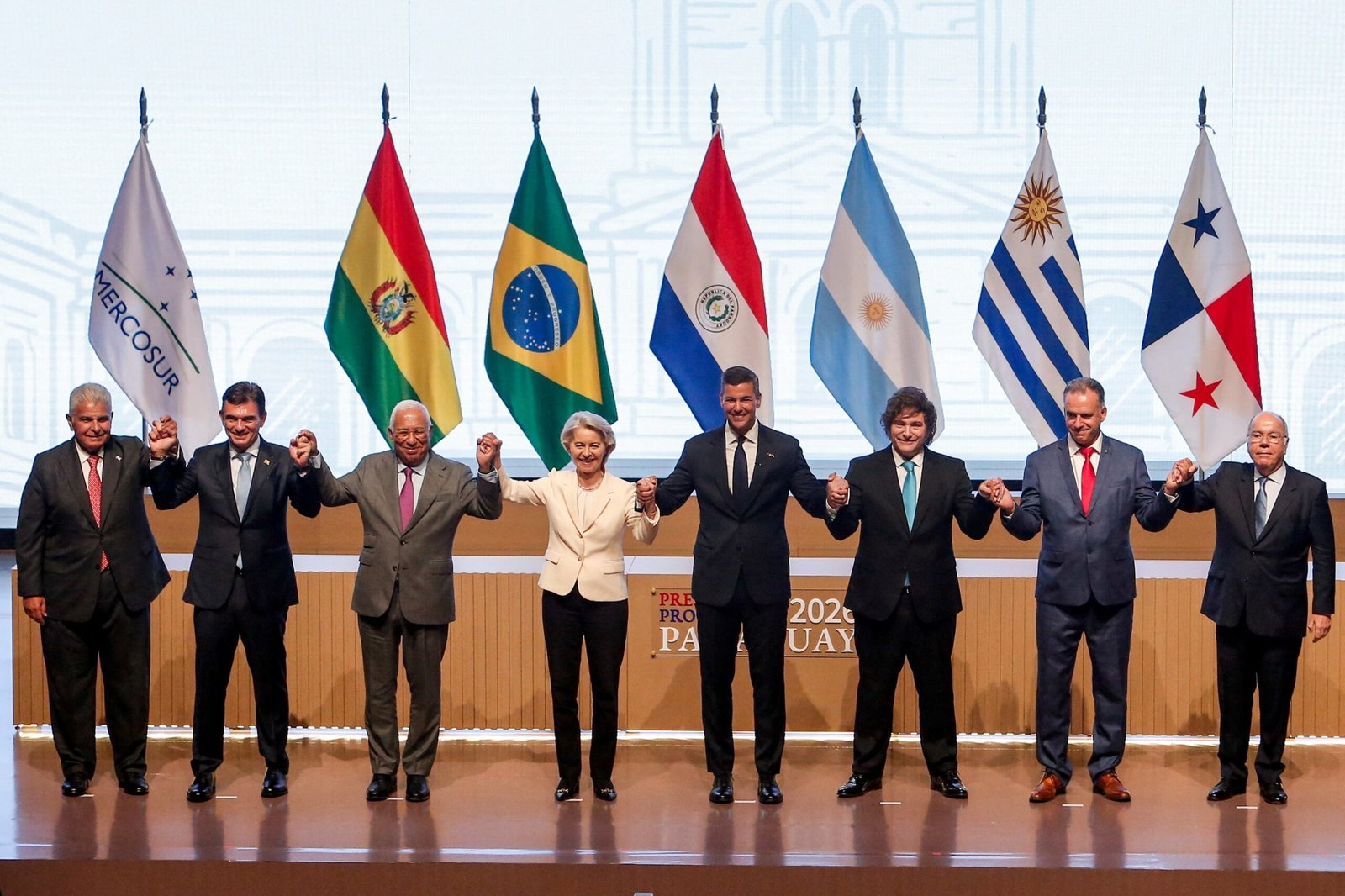
Why European agribusiness feels threatened by the agreement with Mercosur Poland announced this Friday (24) that it will appeal to the European Union’s highest court against the free trade agreement between the European bloc and Mercosur, according to information from Reuters. According to Polish Deputy Prime Minister Władysław Kosiniak-Kamysz, the country intends to lodge a formal complaint with the Court of Justice of the European Union by the May 26 deadline. 🗒️Do you have any reporting suggestions? Send to g1 The decision reinforces the position of Warsaw, which, alongside France, leads the opposition to the agreement within the European Union. The EU-Mercosur treaty was signed in January, after more than 25 years of negotiations, and provides for the gradual reduction or elimination of tariffs between the European bloc and Brazil, Argentina, Paraguay and Uruguay. Critics of the agreement claim that the measure could harm local producers, especially in the agricultural sector, by increasing the entry of cheaper products, such as beef, sugar and chicken. Farmers and environmentalists are also among those opposing the treaty. In the same vein, Polish Deputy Prime Minister Władysław Kosiniak-Kamysz said that there are risks to food safety, consumer protection and the internal market. Resistance gained strength in the European Parliament, which in January decided to forward the agreement for analysis by the European Union court. The French government fears negative impacts on the agricultural sector due to competition from cheaper South American products. French President Emmanuel Macron even classified the European Union’s decision to accelerate the provisional application of the agreement as a “bad surprise”. On the other hand, countries such as Germany and Spain support the treaty, seeing opportunities to expand exports, reduce dependence on China and guarantee access to strategic minerals. Defenders of the agreement also argue that it can expand access for European companies to South American markets, mainly benefiting the industry. Agreement comes into effect provisionally from May Despite criticism, the European Commission reported in March that the agreement should begin to be applied provisionally from May 1st, while it continues the process of full approval by member countries. Mercosur countries are in advanced stages of approving the agreement with the European Union, which allows provisional application to begin while formal procedures continue. Brazil, Argentina and Uruguay have already completed their internal approval processes. Paraguay, which acts as depositary of the treaty, also finalized the legal procedures and formalized the promulgation, an essential step to enable its entry into force. With this, the agreement can begin to be applied provisionally between the European Union and Mercosur countries that have already completed these steps. Approval in Brazil included approval from the Chamber and Senate, followed by promulgation and formal notification. In Paraguay, the process also passed through both legislative houses before presidential sanction. Leaders of the European Union and Mercosur celebrate in Asunción the signing of the free trade agreement that ends more than 25 years of negotiations. REUTERS/Cesar Olmedo
Source link
Poland goes to European Union court against agreement with Mercosur
9
