
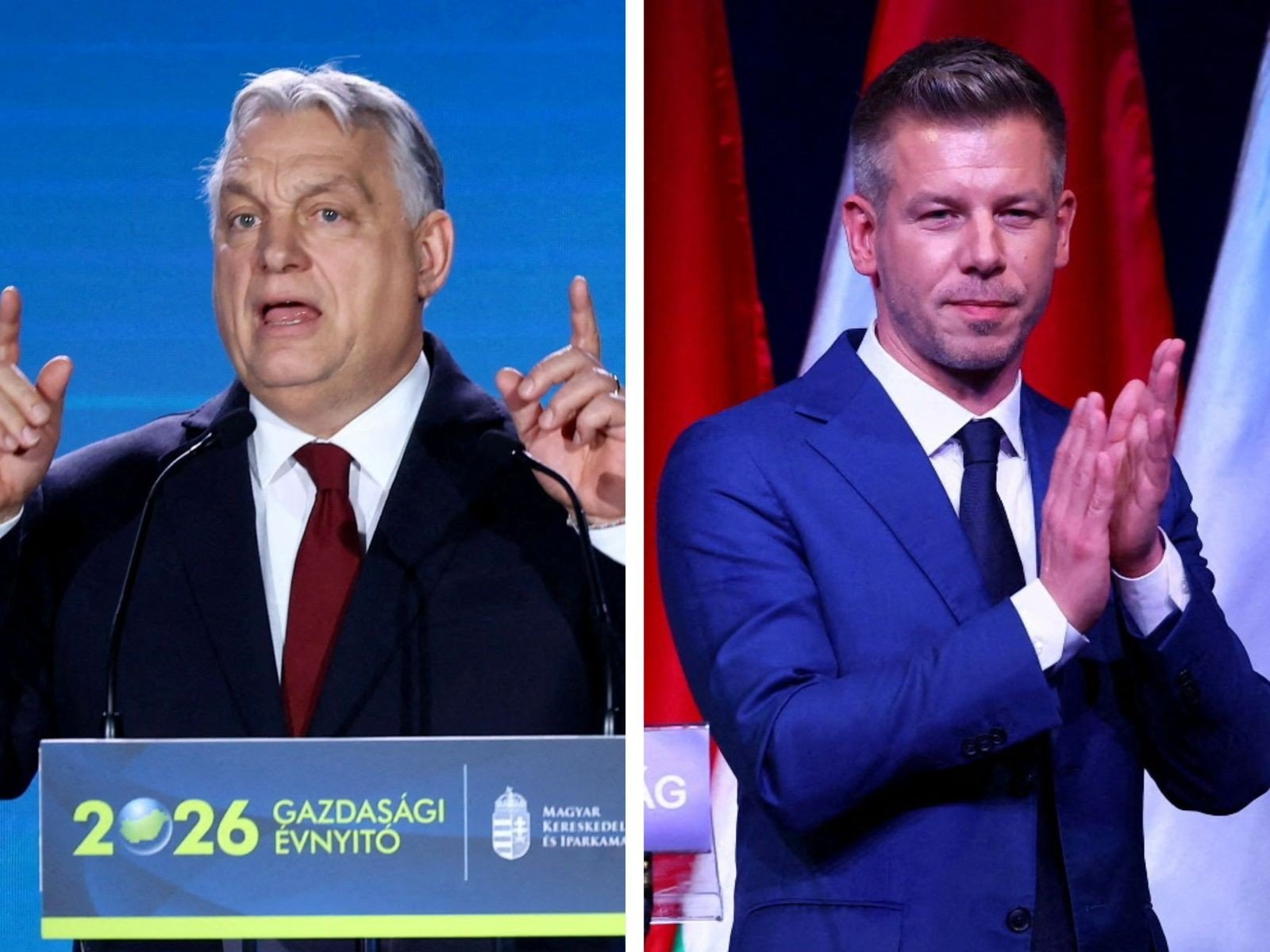
Viktor Orbán and Péter Magyar compete in the elections in Hungary REUTERS Hungary goes to the polls this Sunday (12) in elections that could end Viktor Orbán’s 16 years in power, amid a direct dispute against a former political ally and allegations of foreign interference. Polls indicate that the opposition could win by a wide margin and cause a historic turnaround in the country. ✅ Follow the g1 international news channel on WhatsApp ▶️ Context: Orbán is one of the main names on the current far right. He was first elected prime minister in 1998 and governed the country for four years. In 2010, he returned to power with a landslide victory and has remained in office ever since. Orbán’s party, Fidesz, has a large majority in Parliament. The party worked to rewrite the Constitution and pass laws with the aim of creating an “illiberal Christian democracy”. The Prime Minister’s policies restricted press freedom, weakened the Judiciary and limited the rights of minorities, such as the LGBTQIA+ community. On the other hand, anti-migration measures and a nationalist and conservative stance helped maintain popular support. Orbán’s actions generated friction with the European Union, which suspended billions of euros in transfers to Hungary for violations of democratic standards. Orbán has won the last four parliamentary elections by a wide margin. The fragmented opposition, combined with the prime minister’s political control, helped to consolidate these results. This year, the scenario changed. With the economy stagnating for three years and the enrichment of an elite linked to the government, Orbán lost internal strength and saw his former ally Péter Magyar gain ground. Magyar leads the center-right Respect and Freedom party, known as Tisza. The opponent claimed to have been inspired by Orbán at the beginning of his political career, but he distanced himself from the prime minister, started accusing the government of corruption and changed parties. Magyar gained ground by promising rapprochement with the European Union and Western allies — a stance opposed by Orbán in recent years. At the same time, he seeks conservative support by defending the maintenance of policies to combat illegal immigration. The opponent also bets on speeches aimed at social media and rallies with a patriotic aesthetic. By criticizing the current government, he began to be seen by supporters as someone who “stands up to the system”. The result was a jump in polls. According to Reuters, recent surveys by independent institutes place Magyar’s party far ahead of Orbán’s party. An estimate based on five opinion polls carried out between February and March indicates that Tisza could win between 138 and 142 of the 199 seats in Parliament. With this number, the opposition party would reach two-thirds of the seats and could promote constitutional reforms. Orbán’s Fidesz is expected to win between 49 and 55 seats. Another far-right party, known as Mi Hazank, is expected to win five or six seats. Elections in Hungary Art g1 Foreign interference Youth anti-communist leader in the Cold War, Orbán is today the longest-serving leader in power in the European Union. For supporters, he is a patriotic symbol for having led pro-democracy mobilizations in the late 1980s. Critics, however, claim that the prime minister is leading the country towards authoritarianism. In recent years, Orbán has used building alliances with global leaders, such as Russian President Vladimir Putin and United States President Donald Trump, as one of the pillars of his government. Trump has even been directly involved in the current campaign. The American president received Orbán at the White House in February and published a message of support for the prime minister’s re-election on social media. “I hope to continue working closely with him so that both countries can advance further on this path towards success and cooperation,” he wrote. “Viktor Orbán is a true friend, fighter and winner, and he has my full and unrestricted support for re-election.” Days before the election, Trump sent Vice President JD Vance to Hungary to participate in events alongside the prime minister. In a speech, Vance accused the European Union of trying to interfere in the election and classified the strategy as “shameful”. “What happened in the middle of this election campaign is one of the worst examples of foreign interference in elections that I have ever seen or even read about,” he said. Donald Trump and Viktor Orbán at the White House in February 2026 Reproduction/Truth Social Russia also played a role in the campaign, according to the European press. Euronews reported, based on sources, that the Russian government tried to interfere in the elections to keep Orbán in power. In the same vein, the American newspaper The Washington Post stated that the strategy would involve the Russian foreign intelligence service. The newspaper also reported that the Russians had suggested staging an assassination attempt against Orbán to provoke an electoral “game changer”. On Wednesday (8), Russia also accused the European Union of interference by leaking information to the press with the aim of harming Orbán in the elections. Recently, according to the European press, Orbán had offered help to Putin “on any issue”. In March, he angered European partners by blocking a R$535 billion aid package for Ukraine. Regarding war, Orbán claims to represent a safe choice, saying that the current election is a decision between “war or peace”. The prime minister suggests that the opposition would drag Hungary into the conflict in Ukraine, something Magyar denied. Among other international names supporting Orbán are Italian Prime Minister Giorgia Meloni, French leader Marine Le Pen and Alice Weidel, from Alternative for Germany — all linked to ultra-right movements in Europe. Promise of changes Péter Magyar, leader of the opposition party Tisza, on September 7, 2025 REUTERS/Bernadett Szabo Analysts say that Magyar should adopt a more constructive stance in relations with the European Union and NATO. On the other hand, he should not completely diverge from Orbán on central issues, such as the European migration pact. Asked about the relationship with Russia, Magyar said he intended to act in a “pragmatic” way. Furthermore, the opponent has promised tougher measures against corruption and stated that Hungary would become part of the European prosecutor’s office. This measure is rejected by the current government. He also stated that he intends to strengthen the independence of public media and the Judiciary, increase transparency in public contracts and establish a two-term limit for prime ministers. The government program also includes a reduction in state intervention in the economy and improvements in public health and education systems. “Magyar promised to fight corruption, increase competition in public tenders and free up European resources, among other priorities”, says Mujtaba Rahman, director for Europe at the think tank Eurasia Group. “Even if execution falls short of campaign promises, a government led by Tisza would likely increase investor confidence and move Hungary away from the position of the most isolated country within the European Union.” VIDEOS: most watched on g1
Source link
Orbán era threatened: Hungary goes to the polls in election marked by dispute between former allies and foreign interference
8
