
The UN Security Council has postponed the vote, initially scheduled for this Friday (3), on a crucial resolution that would authorize “defensive” military operations to reopen the Strait of Hormuz.
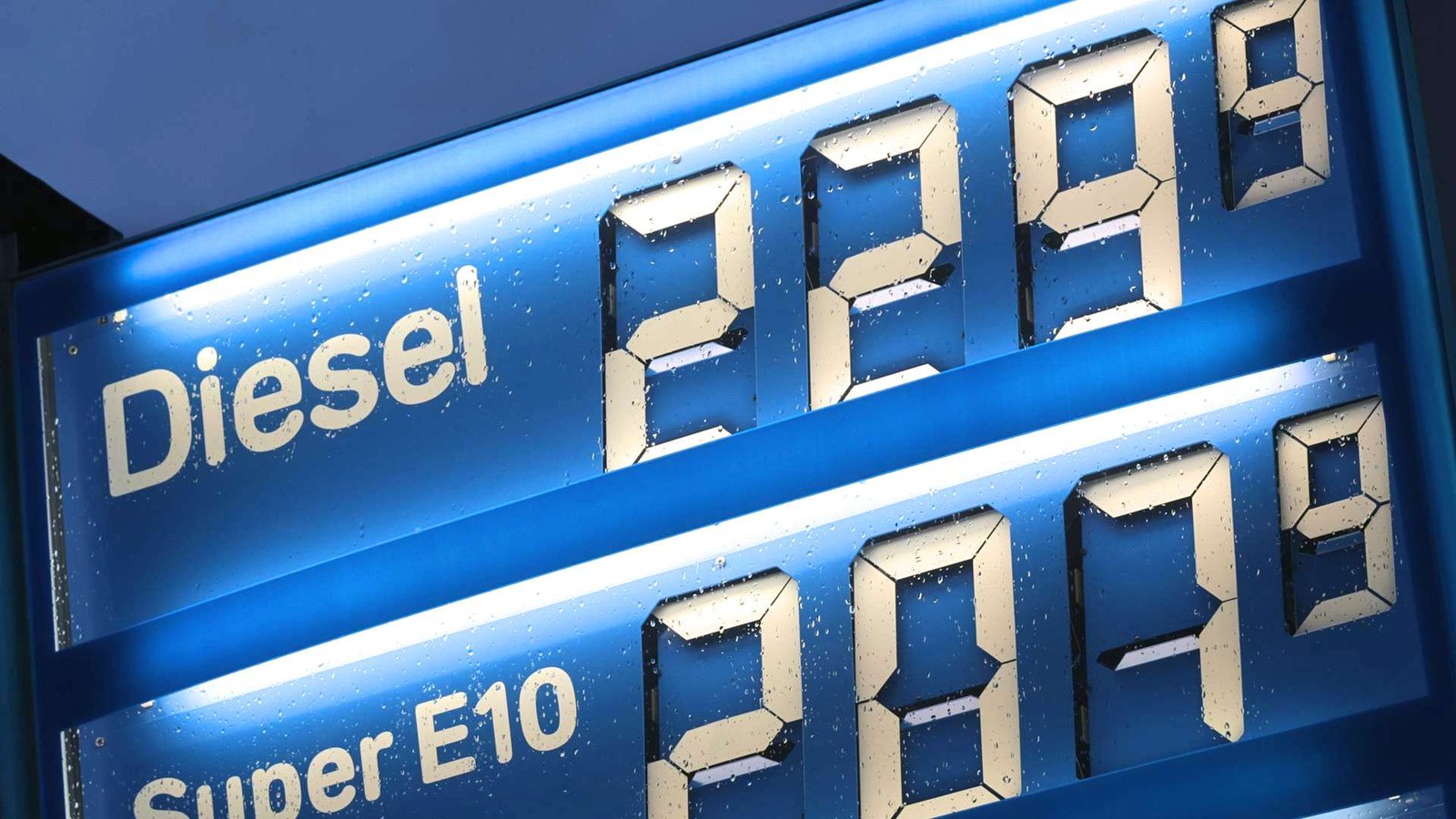
The route, responsible for transporting 20% of global oil and gas, has been blocked by Iran since February 28, in retaliation for air strikes by the United States and Israel. The crisis has already raised the price of a barrel to US$109 and threatens to accelerate inflation around the world, making the impasse and the possible veto at the UN factors of tension for the markets.
The postponement at the UN and threats from Tehran
The 15-member body had committed to debating the project presented by Bahrain, the country that presides over the Security Council, but the official schedule was changed on Thursday night.
The official justification presented was the observance of Good Friday as a national holiday at the United Nations — a fact already known when the date was announced. Behind the diplomatic scenes, however, it is understood that the debate was postponed due to a clear lack of consensus between the powers.
Worsening the scenario, Tehran warned against any “provocative action” and categorically stated that a Security Council decision unfavorable to the country “will further complicate the situation.”
Diplomatic offensive and the use of force in the Strait of Hormuz
On February 28, following US and Israeli airstrikes against Iranian military targets, Iran closed the Strait to foreign shipping. The Revolutionary Guards (IRGC) implemented selective control, allowing only vessels approved by Tehran, such as oil tankers bound for China and India.
The Iranian response included naval mines and direct attacks on vessels. Traffic fell dramatically — from 20% of the world’s oil to just five to six ships a day.
Faced with this escalation, Bahrain proposed a resolution authorizing military operations to protect commercial ships for six months. The Bahraini government classifies Iranian actions as an “illegal and unjustified attempt” to control shipping, threatening global interests and civil structures.
Impasse of the great powers and risk of veto at the UN
Despite pressure from around 40 countries for the immediate reopening of the Strait, the resolution faces a serious geopolitical impasse, evidenced by the postponement of the vote. For approval in the Security Council, nine votes in favor and no veto in the UN are required from the five permanent members: the United States, the United Kingdom, France, Russia and China.
China and Russia oppose the use of force in the Strait of Hormuz. Chinese envoy Fu Cong said the authorization would “legitimize the illegal and indiscriminate use of force”, leading to an escalation with serious consequences.
France also resists. President Emmanuel Macron called the proposal “unrealistic”, warning of direct clashes with the Iranian Revolutionary Guard and its missile presence in the region.
On the other hand, the United States and the United Kingdom defend the reopening, but face criticism for the lack of a clear plan that guarantees the safety of navigation without triggering a major conflict.
Economic impacts on global oil
The blockade of Iran represents a supply shock with a direct impact on global inflation. The interrupted flow comes from key nations such as Saudi Arabia, Iraq, Kuwait, Qatar and Iran itself.
Central data of the crisis:
- Volume at risk: 21 million barrels/day.
- Price: Barrel quoted at US$ 109 (Thursday, 2).
- Logistics costs: Significant increase in marine insurance premiums and global transport.
The union of Arab countries against Tehran signals a profound rupture in years of regional diplomatic rapprochement. Analysts point out that Bahrain’s resolution has limited scope, as Gulf countries depend on US support for any effective military action.
Still, approval of the measure would signal to Iran that the international community will not tolerate prolonged blockades. The current postponement, however, demonstrates the fragility of the global consensus. The outcome of this articulation will determine the immediate future of the Strait of Hormuz and set the standard for responding to future energy crises.
