
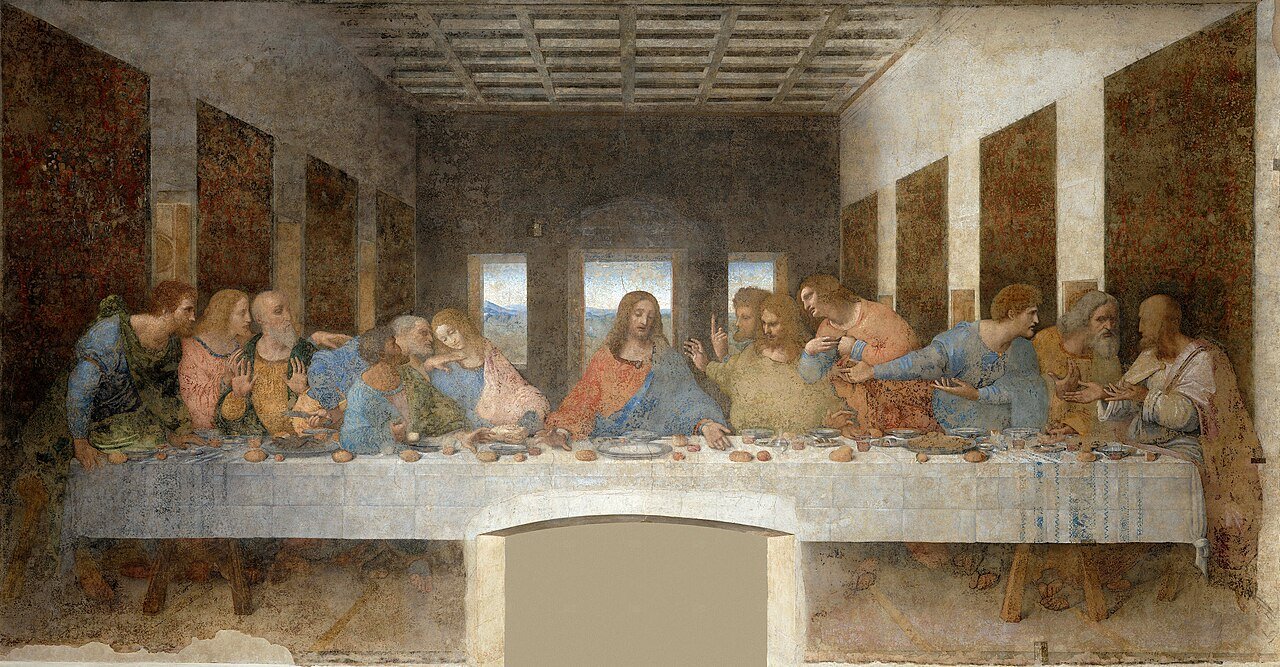
Researchers from Austria and Israel used cutting-edge technology to decipher around 40 medieval inscriptions on the walls of the Cenacle in Jerusalem. The records, invisible to the naked eye, reveal coats of arms and messages left by pilgrims from various parts of the world between the 13th and 15th centuries.
What was discovered in the walls of the sacred site?
Experts have identified around 40 elements of ancient graffiti, including signatures, religious symbols and five coats of arms of European noble families. These marks function as silent testimonies of travelers passing through the Cenacle, the building on Mount Zion where, according to Christian tradition, Jesus had his last meal with the apostles.
How were these hidden inscriptions revealed?
Because the records were so weathered, the researchers used multispectral photography and a technique called RTI (Reflectance Transform Imaging). This method illuminates the surface from different angles to highlight barely noticeable reliefs, allowing the images to be digitally processed in the laboratory until they become legible.
Which historical figures left their marks on the Cenacle?
One of the highlights is the coat of arms of Tristram von Teuffenbach, an Austrian nobleman who visited Jerusalem in 1436. He was part of a large entourage led by Frederick III, who would become Emperor of the Holy Roman Empire. An Armenian inscription dating from Christmas 1300 was also found, possibly linked to King Het’um II’s passage through the city.
Is there any specific record about the female presence?
Yes, archaeologists found a fragment in Arabic that mentions a woman from Aleppo, in modern-day Syria. The grammatical structure of the text clearly identifies a woman, which is an extremely rare find. This graffiti is one of the few direct material remains of a female pilgrimage during the Middle Ages.
Content produced based on information gathered by the Gazeta do Povo team of reporters. To access the full information and delve deeper into the topic, read the report below.
SEE ALSO:
- Archaeologists decipher medieval inscriptions in the Room of the Last Supper in Jerusalem
