
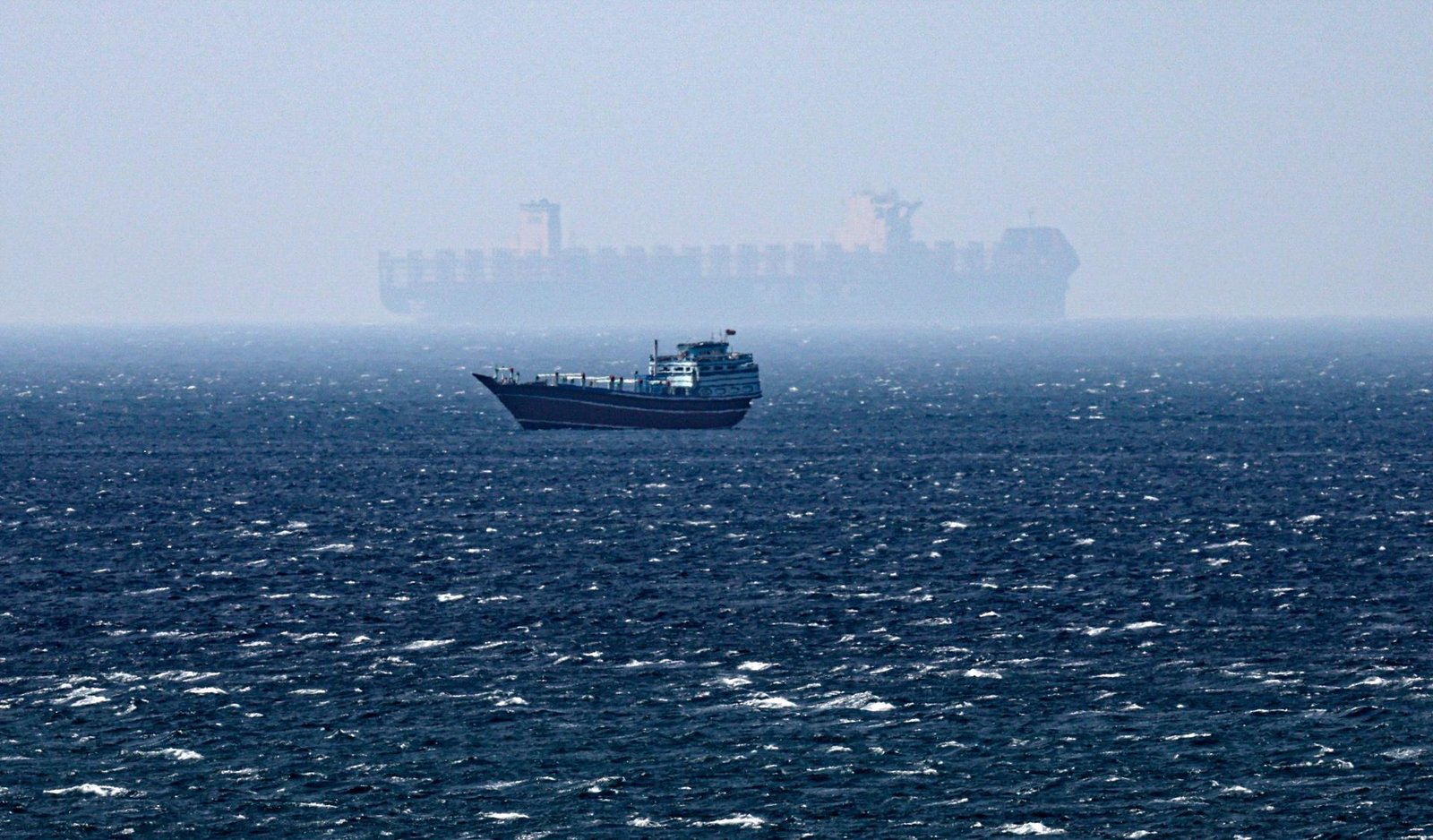
More than 40 countries agreed this Thursday (2) to explore the possibility of imposing sanctions on Iran if the country keeps the Strait of Hormuz closed, and rejected any attempt to impose tolls on ships transiting this strategic waterway, according to a statement released after a virtual meeting convened by the United Kingdom.
The participating governments, chaired by British Foreign Minister Yvette Cooper, emphasized their determination to “guarantee freedom of navigation and reopen” the waterway, which Tehran has kept largely closed since the US and Israel launched their offensive against Iran on February 28. Iran responded with attacks on ships sailing through the Persian Gulf.
Last Tuesday, the National Security Committee of the Iranian Parliament approved a bill that establishes tolls for the Strait of Hormuz, without specifying the amount, and prohibits the transit of American and Israeli vessels.
The Tasnim news agency, linked to the Revolutionary Guard, indicated that the payment could reach two million dollars (1.7 million euros) per vessel or a cargo-based system, similar to that of the Suez Canal.
The statement released in London highlights that the strait is “one of the most important maritime corridors in the world”, used to transport vital supplies such as fertilizers to Africa and hydrocarbons that fuel homes, air transport and international trade.
The allied countries discussed increasing diplomatic pressure and “exploring coordinated economic and political measures, such as sanctions, if the strait remains closed.”
The statement also emphasizes that they will cooperate with the International Maritime Organization (IMO) to “secure the release of thousands of ships and sailors trapped in the strait.”
The Secretary General of the IMO, Arsenio Domínguez, who also participated in the meeting, asked to avoid “fragmented responses” and to seek “practical and neutral” solutions to free the approximately 2,000 ships with approximately 20,000 sailors on board, trapped in the Gulf since the beginning of the conflict.
