
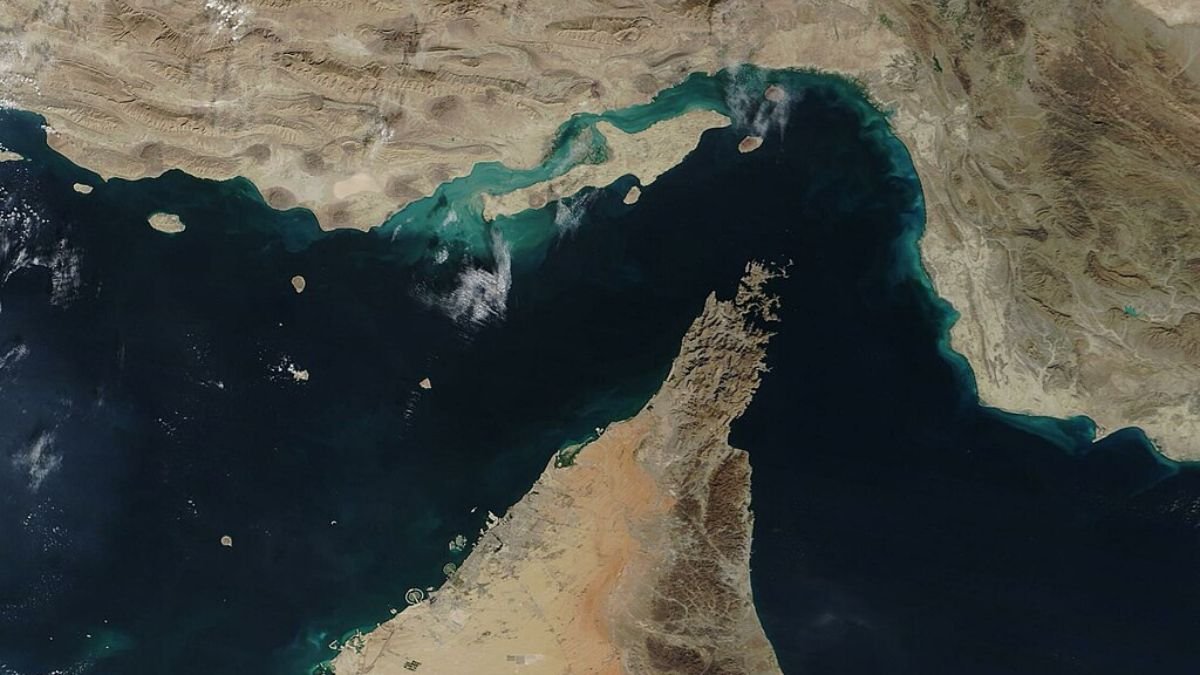
Iran’s parliament approved this Monday (30) a law that allows tolls to be charged on ships crossing the Strait of Hormuz, a strategic maritime route for transporting oil. The measure formalizes a system that had already been applied in a practical way since the beginning of the Islamic regime’s war against the United States and Israel.
According to the Iranian state press, the approved plan establishes the imposition of fees in local currency (the rial) for vessels using the strait, in addition to providing for “control, inspection and security mechanisms under the responsibility of the country’s armed forces”. The project also includes the possibility of banning the passage of ships linked to the United States and Israel.
According to the agencies Tasnim e Farsaligned with the Islamic Revolutionary Guard, the legislation aims to consolidate Iran’s “sovereignty, control and supervision” over the maritime route, in addition to creating a new source of revenue for the State.
In practice, the toll collection system had already been implemented since the beginning of this month, when war broke out in the Middle East following attacks by the US and Israel against targets on Iranian soil. According to the international press, vessels sailing on the route are being forced to provide detailed information – such as cargo, crew and destination – to intermediaries linked to the Revolutionary Guard before receiving authorization to transit. In some cases, according to reports, ships would have paid up to US$2 million (R$10.5 million, at the most recent quote) per trip.
The Strait of Hormuz is responsible for about 20% of global oil flow. Since the beginning of the war, the Iranian regime began threatening to attack vessels sailing along the route, causing a blockade that has already caused strong volatility in energy prices around the world. Traffic in the region has fallen drastically since the start of the conflict, with thousands of vessels stranded on the outskirts of the strait or opting for longer and more costly alternative routes.
