
An offensive with missiles and drones against Prince Sultan Air Base left US soldiers injured and hit critical aircraft for surveillance, air command and resupply in the Middle East.
Public reports differ on the total number of injured, indicating at least 10 and up to 12.
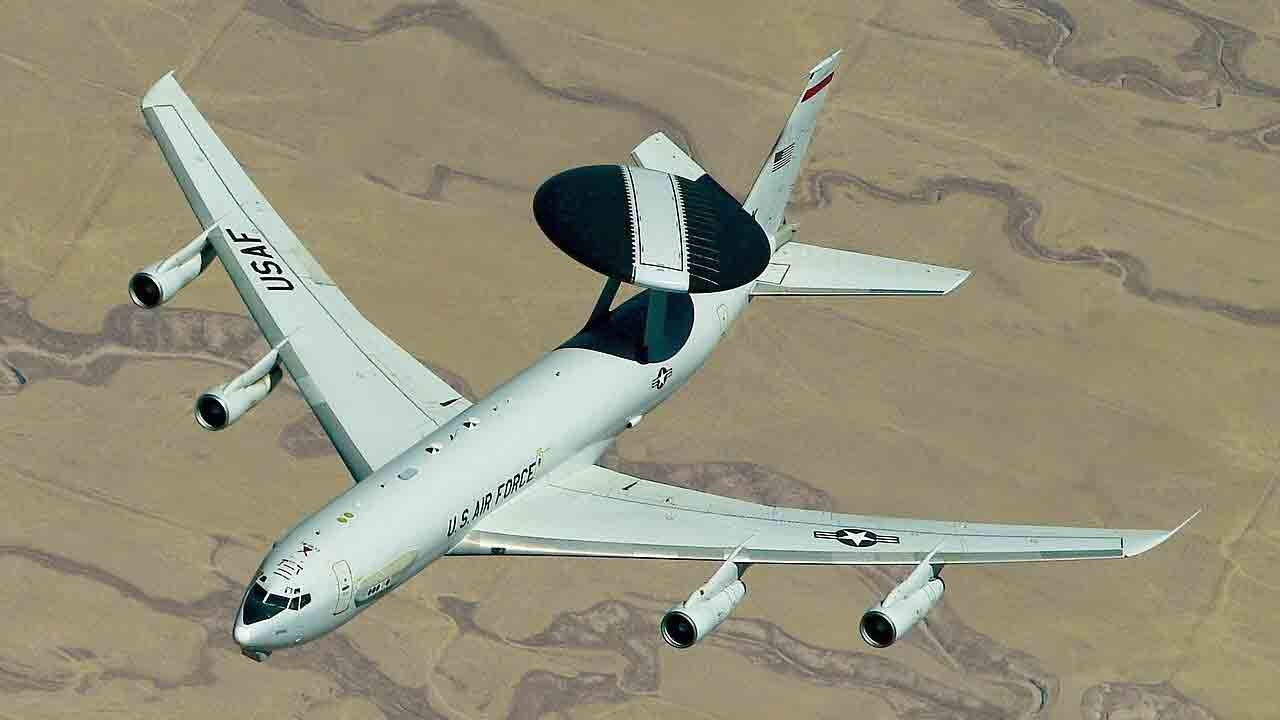
An Iranian attack with missiles and drones against the Air Base Prince Sultanin Saudi Arabia, on March 27, hit one of the main centers of the United States air presence in the Middle East and left US soldiers injured. In addition to the casualties, the offensive also damaged aircraft of high strategic value, including an E-3 Sentry AWACS and aerial refueling aircraft.
Reports released so far vary on the total number of injuries. The Associated Press reported that the attack left at least 10 soldiers wounded, with two in serious condition, while Reuters reported 12 wounded, also with two serious cases. Air & Space Forces published that the action included at least one missile impact on the base, in addition to the use of multiple drones.
The severity of the episode increases because Prince Sultan Air Base is used as a central point for surveillance, command and resupply operations in the region.
The damage to a E-3 Sentry It draws attention because it is an essential platform for early aerial warning, mission coordination and battlespace control. There was also damage to tanker aircraft, essential for keeping fighters and other means in operation for long periods.
In practice, such an attack can temporarily reduce the United States’ ability to sustain a continuous air presence over sensitive areas of the Middle East.
The loss or unavailability of airborne command and refueling means affects mission planning, coordination between aircraft and time spent in the air.
The case also contradicts recent assessments by US officials of Iran’s offensive capabilities. The commander of CENTCOM, Admiral Brad Cooper, stated days earlier that Iranian missile and drone launches had fallen more than 90% since the start of the conflict on February 28.
Still, the March 27 attack indicates that Tehran still retains means to hit US positions and strategic assets in the region.
Pictures show the total loss of 81-0005, an E-3G “Sentry” Airborne Early Warning and Control (AEW&C) Aircraft with the U.S. Air Force’s 552nd Air Control Wing based out of Tinker Air Force Base, Oklahoma, following yesterday’s Iranian ballistic missile and drone attack on Prince… pic.twitter.com/NNnILybnrU
— OSINTdefender (@sentdefender) March 29, 2026
Source and images: X @sentdefender | X @USAFCENT | USAF. This content was created with the help of AI and reviewed by the editorial team.
