
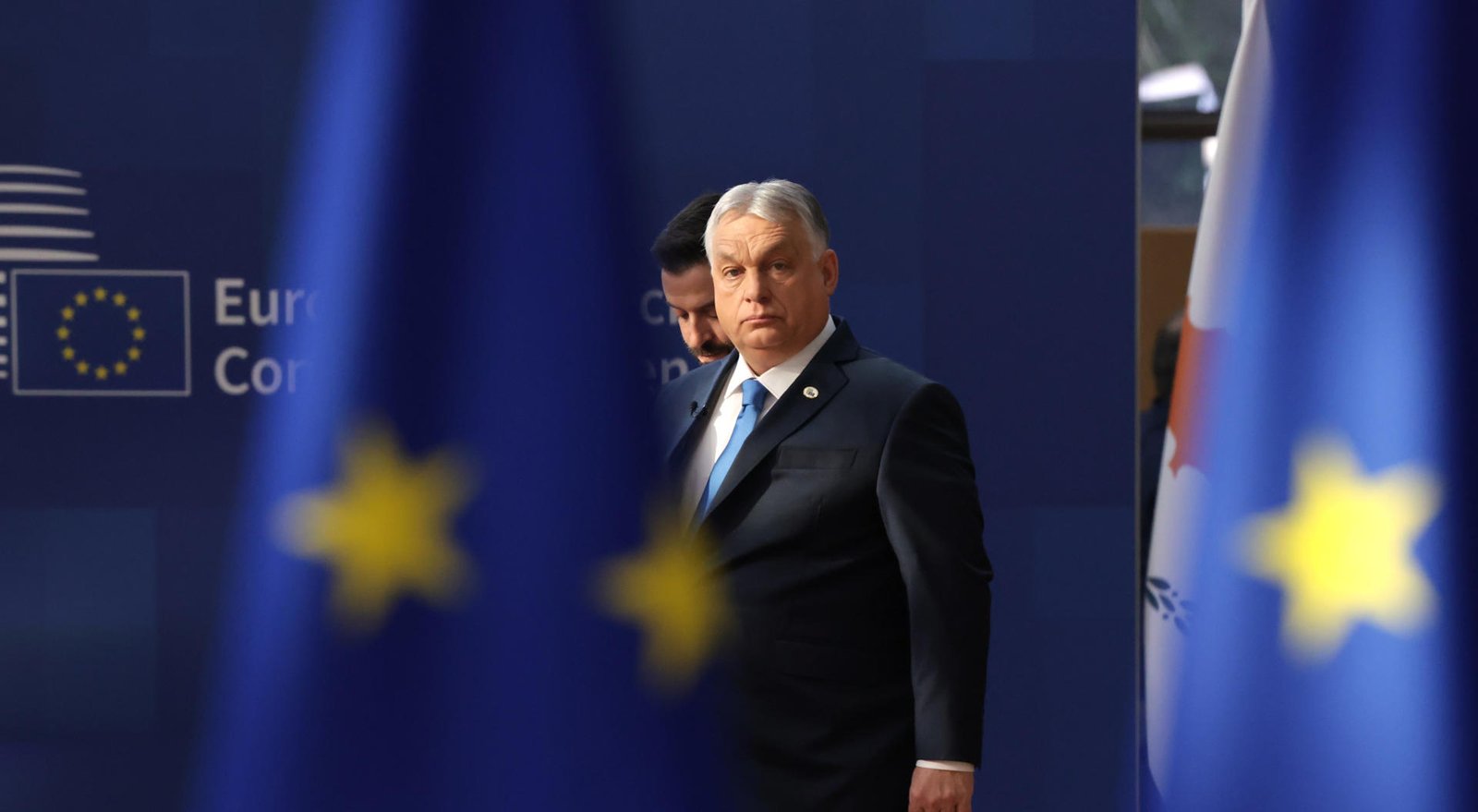
On the eve of the parliamentary election on April 12, which will determine whether Prime Minister Viktor Orbán will remain in power (where he has been since 2010; he had previously held the position between 1998 and 2002), Hungary is being rocked by a scandal involving a member of his government.
A report by the American newspaper The Washington Post published over the weekend indicated that Hungarian Foreign Minister Péter Szijjártó would share information about confidential European Union (EU) meetings with his Russian counterpart, Sergei Lavrov.
Orbán’s main opponent in next month’s election, Péter Magyar, demanded that the case be investigated. “If confirmed, this would constitute treason, a crime punishable by life imprisonment. A future Tisza government [seu partido] will investigate the matter immediately”, he wrote in X on Monday (23).
Also yesterday, a spokesperson for the European Commission told journalists that the allegations in the Post report “are extremely worrying”.
“A relationship of trust between Member States and between them and institutions [do bloco] is fundamental to the work of the EU. We hope that the Hungarian government will provide clarification,” he said.
According to information from broadcaster Euronews, Szijjártó confirmed the phone calls to Lavrov during a campaign event in the city of Keszthely on Monday night.
“I talk not only with the Russian Foreign Minister, but also with our American, Turkish, Israeli, Serbian and other partners, before and after European Council meetings,” the minister said. “What I say may sound harsh, but diplomacy is talking to the leaders of other countries.”
This Tuesday (24), Szijjártó added, in a video published on social media, that such an attitude does not violate security protocols for meetings of the EU Foreign Relations Council, as no “secrets” are discussed at ministerial level.
An ally of Russian dictator Vladimir Putin, Orbán is the biggest critic within the EU of military and financial aid to Ukraine, which has been at war with the Russians since 2022.
He refused to allow weapons to be shipped to Ukraine through Hungarian territory, opposed European Union sanctions on Russian oil and gas and resisted approving the bloc’s aid packages for Kiev.
