
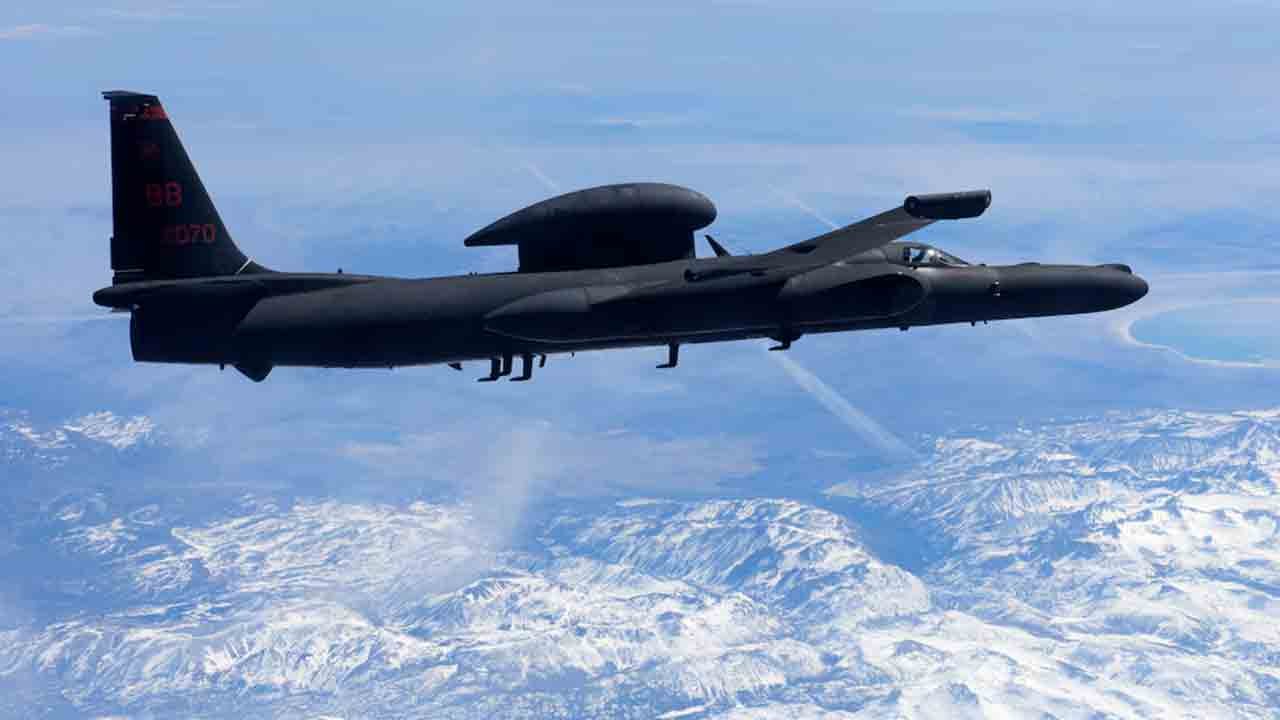
BAE Systems has announced a new contract to modernize and maintain the AN/ALQ-221 defensive system on the United States Air Force’s U-2 reconnaissance aircraft, expanding the protection capabilities of one of military aviation’s most iconic platforms.
The agreement, issued by Robins Air Force Basein Georgia, provides field technical support, repairs and software updates for the aircraft’s electronic warfare suite. The goal is to ensure that the system remains ready to detect, identify and react to increasingly sophisticated threats.
The AN/ALQ-221 Advanced Defensive System combines radar warning receivers with electronic countermeasures, offering U-2 pilots increased situational awareness and improved self-protection capabilities during missions in sensitive or contested areas. According to BAE Systemsthe system also uses onboard processing and long-range sensors to increase the aircraft’s survivability.

For Tim Angulas, director of the U-2 product area at BAE Systems, the update is part of the company’s tradition in the electronic warfare sector. He highlighted that evolving, modernizing and sustaining systems of this type is a central part of the company’s operations, ensuring that they remain effective throughout their useful life.
The company further stated that the AN/ALQ-221 has been continuously developed over decades, within the broader effort to modernize the U-2. The aircraft’s open avionics architecture and modular design help accelerate the integration of new capabilities as the threat environment evolves.
Even though it is a plane with Cold War origins, the U-2 remains relevant in intelligence, surveillance and reconnaissance missions. With the new update, the United States seeks to keep the aircraft prepared to operate in highly complex scenarios, where electronic warfare plays an increasingly decisive role.
+ US spy plane that was born in the Cold War is still in service
Source and images: USAF | Robins Air Force Base. This content was created with the help of AI and reviewed by the editorial team.
