
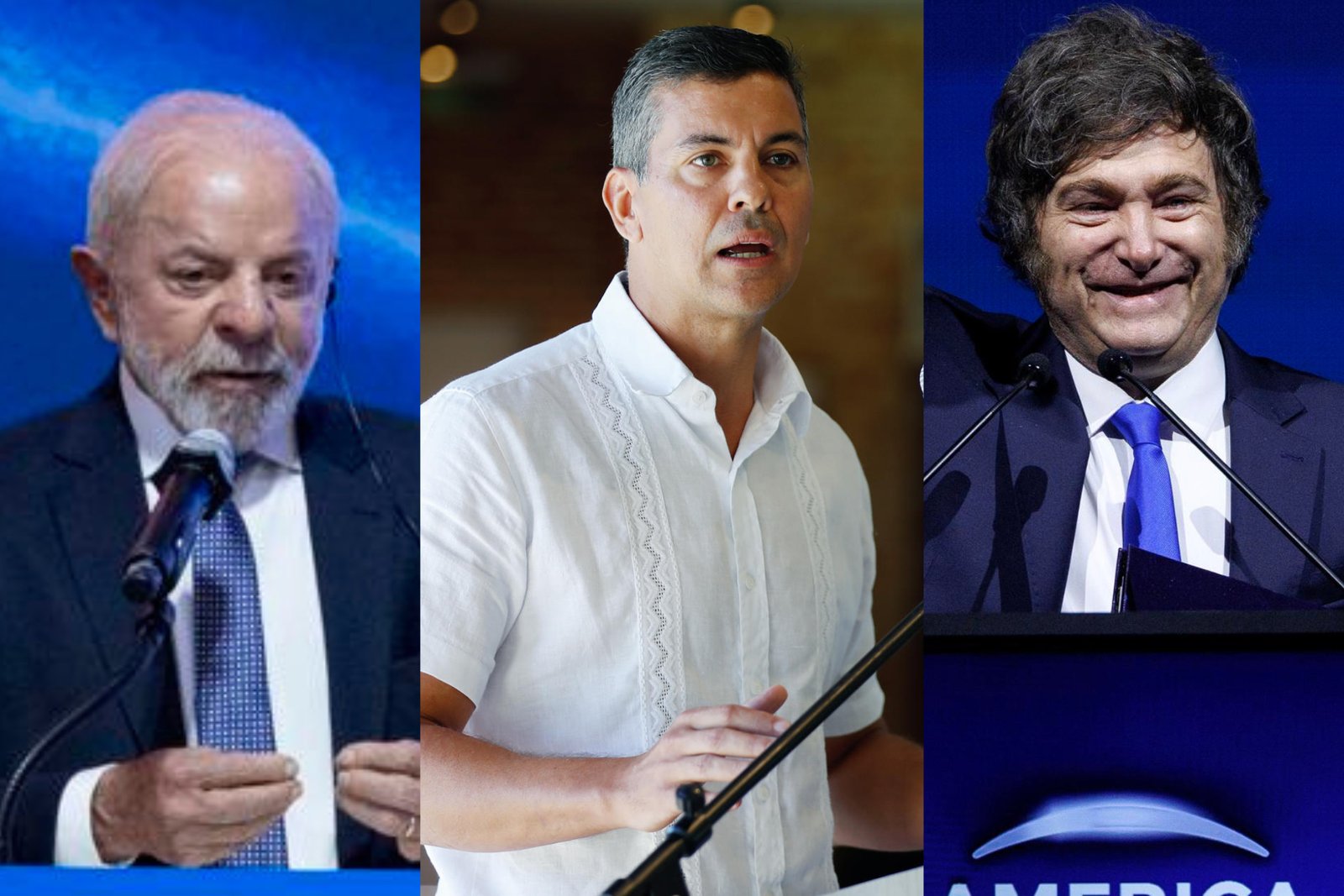
The Paraguayan government formalized a strategic military partnership with the United States, allowing the temporary presence of American troops. The measure aims to combat organized crime and terrorism in the Triple Border, a priority region for Donald Trump’s administration in the Southern Cone.
What does the new military agreement between the United States and Paraguay establish?
The so-called Status of Forces Agreement (Sofa) allows US military personnel, civilians and defense companies to temporarily operate in Paraguay. The focus is to carry out training, joint military exercises, logistics studies and technology exchange. Furthermore, Americans involved in these missions will have special legal protection, similar to the immunity granted to diplomats, to facilitate operational activities in the neighboring country.
Why is the Triple Border the focus of this operation?
The US considers the border between Brazil, Paraguay and Argentina a critical security point. The American government denounces the strong presence of armed groups, such as the PCC, and investigates these factions’ financial connections with the Lebanese terrorist group Hezbollah. In addition to fighting crime, there is a strategic interest in reducing China’s growing influence in Latin America, a region that Americans consider vital to their national security.
How does this decision affect Brazil’s position in the region?
Experts indicate that Brazil may face regional isolation. While Argentina and Paraguay align their security and defense policies directly with the Trump administration, the Lula government demonstrates resistance to this military rapprochement. This could generate diplomatic discomfort and concerns about national sovereignty, as a foreign power will begin to coordinate overt and intelligence operations in the immediate vicinity of Brazilian territory.
What practical changes are expected in the border routine?
The trend is towards much more rigorous surveillance and an increase in the exchange of intelligence information between countries allied to the USA. In practice, this should result in more severe control of the flow of people and goods on bridges and border access points. It is also possible that more frequent and coordinated military and police operations will occur to dismantle drug and weapons trafficking networks operating in the region.
What is the political impact of these measures for the Brazilian government?
Pressure on the Lula government must increase, especially to adopt a tougher stance against criminal factions that the US intends to classify as terrorists. The topic is sensitive and has great weight in public opinion, and can directly influence political and electoral debates in Brazil. While the current government avoids certain classifications, the Brazilian opposition maintains close contact with the Republican administration, supporting the tightening of measures.
Content produced based on information gathered by the Gazeta do Povo team of reporters. To access the full information and delve deeper into the topic, read the report below.
SEE ALSO:
- What changes in the Triple Border with the military agreement between the USA and Paraguay
