
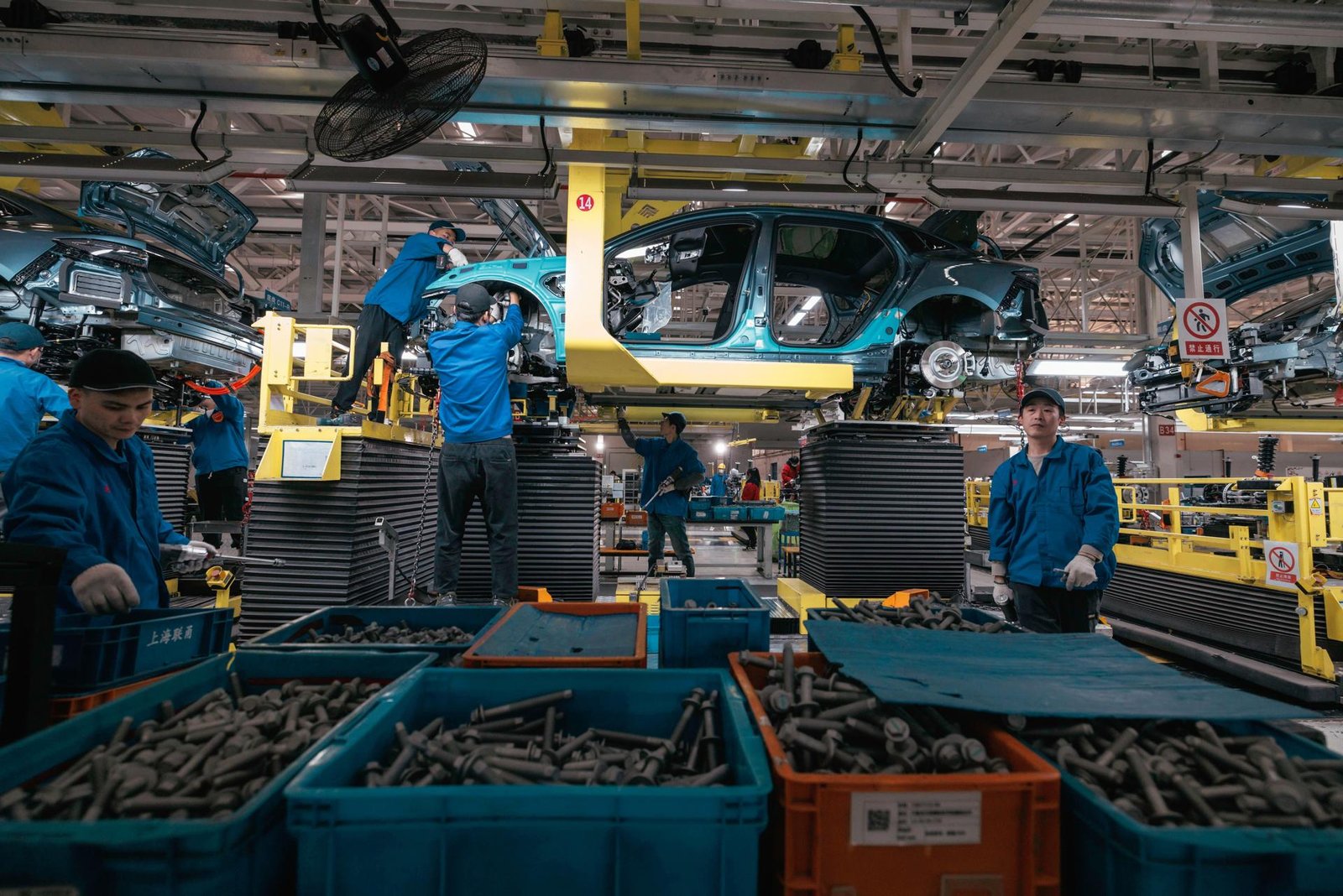
NATO countries and Israel have raised their alert against Chinese electric cars due to espionage and national security risks. With technologies that collect massive data, these vehicles are seen as potential monitoring platforms for the Beijing regime.
What is the main fear of Western countries with these vehicles?
The big fear is the ability of these cars to collect and transmit data without user control. Because they are equipped with cameras, microphones, sensors and constant internet connection, they work like ‘smartphones on wheels’. Intelligence reports indicate that this information could be accessed by the Chinese regime to monitor sensitive infrastructure and official movements.
Which countries have already adopted restrictive measures?
Poland banned Chinese models from entering military bases to prevent data leaks. The United Kingdom has advised that military personnel do not carry out sensitive conversations inside these vehicles. The United States has banned the import of cars that use software or connectivity systems of Chinese or Russian origin, citing vulnerability in national security. Outside of NATO, Israel has also barred these cars from military installations.
Is there a risk of the vehicle being controlled remotely?
Yes, study centers like CCTI point out that the concern goes beyond data collection. There is a risk of remote sabotage, where embedded software could allow external agents to access vital functions of the car. In a situation of international crisis or conflict, this technological vulnerability could be used to paralyze vehicles or interfere with their driving.
How does the manufacturer BYD appear in this context?
BYD, which is expanding its presence in Brazil with new factories, was included by the Pentagon on a list of companies with ties to the Chinese Army. The American government uses this list to identify companies that participate in the ‘civil-military fusion’, a regime that provides for the sharing of private technology with Chinese defense forces. The automaker denies any military ties and classifies the accusations as unfounded.
What does Chinese legislation say about the use of this data?
Experts warn of China’s National Intelligence Law, which obliges Chinese companies and citizens to cooperate with the country’s security services when requested. This means that, legally, Beijing can require electric vehicle manufacturers to hand over data collected abroad or provide access to strategic technologies installed in navigation and connectivity systems.
Content produced based on information gathered by the Gazeta do Povo team of reporters. To access the full information and delve deeper into the topic, read the report below.
SEE ALSO:
- Growing in Brazil, Chinese cars are in the sights of NATO countries
