
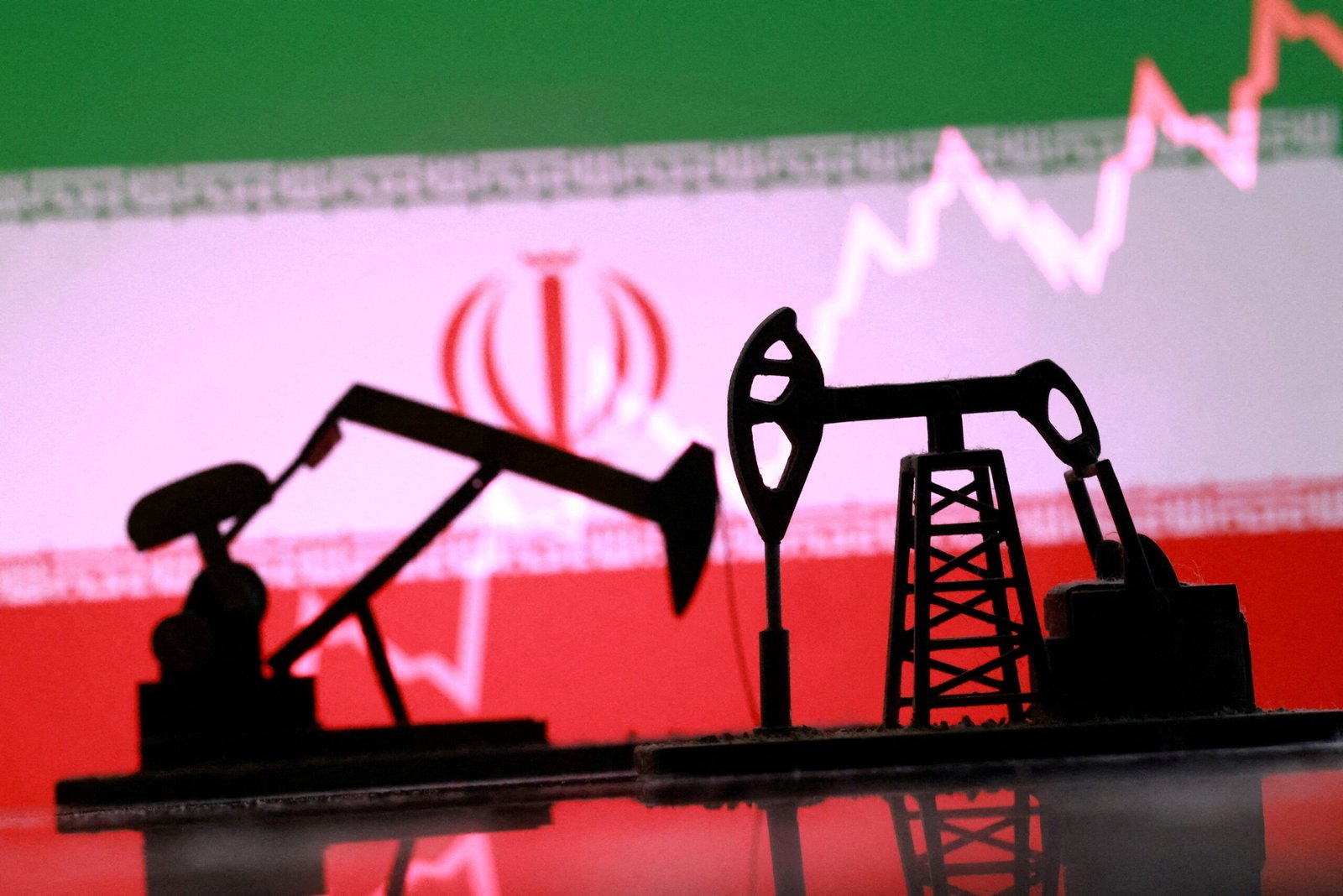
Oil prices fall after the White House signals measures to contain the spike The price of oil lost strength this Friday (20) after signals from the White House to contain the energy crisis, after having soared the day before with attacks on infrastructure in the Middle East. The Brent barrel — a global reference — reached US$119 yesterday, fell to around US$107 throughout the day and closed up 1.18%, quoted at US$108.65. 🗒️Do you have any suggestions for a report? Send to g1 Yesterday, Iran targeted fuel production facilities in different parts of the Middle East, in response to Israel’s attack on South Pars, the largest natural gas field in the world. 🔎This Friday, at around 9:50 am (Brasília time), Brent was trading at US$ 107.42 — still at a high level, but below the recent peak —, down 1.13%. Natural gas in Europe, which rose 35%, operates close to stability, with a slight increase of 0.08%. The drop comes after statements from American authorities. US Treasury Secretary Scott Bessent said the US is considering lifting sanctions on Iranian oil and releasing additional volumes of strategic reserves. President Donald Trump has ruled out sending ground troops to the Middle East and said again that the conflict could end soon. A joint statement from countries including the United Kingdom, France, Germany, Italy, the Netherlands and Japan, indicating support for the safety of navigation in the Strait of Hormuz, also helped reduce pressure on prices. “We express our readiness to contribute to appropriate efforts to ensure safe passage through the Strait,” the statement said. “We welcome the commitment of the nations that are engaging.” The statement is seen as a gesture to Donald Trump’s government, which had been criticizing allies after refusing to send military vessels to escort ships in the strait. On Thursday (19), US Secretary of Defense Pete Hegseth even classified European countries as “ungrateful”. Despite this, the note does not detail what the operation will be like in the Strait of Hormuz, a strategic route through which around 20% of the oil consumed globally passes. Energy agency calls for reduction in consumption Despite the relief, the impact of the recent increase is still felt globally. The International Energy Agency (IEA) recommended measures to reduce fuel consumption, such as encouraging remote work and reducing the use of air transport. On March 11, the 32 member countries of the international agency agreed to make 400 million barrels of oil available from their emergency reserves to contain the rise in fuel prices caused by the war in the Middle East. It is the largest release of reserves ever made by IEA countries. Until then, the record had been 182.7 million barrels, after Russia’s invasion of Ukraine in 2022. Governments also take local actions: Vietnam started to encourage the use of cheaper ethanol-based gasoline, while Spain announced a tax cut on fuels. This Friday, new statements from the US Secretary of Energy reinforced the downward movement. In an interview with Fox Business, Chris Wright stated that, if sanctions on Iranian oil are lifted, the fuel could reach Asian ports in three to four days, increasing supply on the market. Diesel soars in Brazil with war in Iran The price of diesel in Brazil has soared by around 25% since the start of the war in the Middle East, reaching an average of R$7.22, according to a survey by TruckPag with data from thousands of service stations. The increase follows the advance of oil on the international market and directly affects the cost of imported fuel, which represents around 30% of national consumption. The increase was widespread, with significant increases in states across all regions, and is already putting pressure on the logistics chain — impacting everything from cargo transportation to the final price of products and food. Experts point out that the effects on inflation should begin to appear in the coming weeks. Even with government measures, such as reducing taxes and subsidies, the transfer has not yet been felt at the pumps. The diesel trend continues to be linked to the evolution of the conflict and the risk of interruptions in the global energy supply. On Thursday, the National Agency for Petroleum, Natural Gas and Biofuels (ANP) asked Petrobras to increase the supply of fuels, but stated that there was no risk of shortages in the country. The agency also adopted measures to reinforce the monitoring of stocks, imports and prices. Reuters
Source link
Oil retreats with US signals after spike in war in the Middle East
25
