
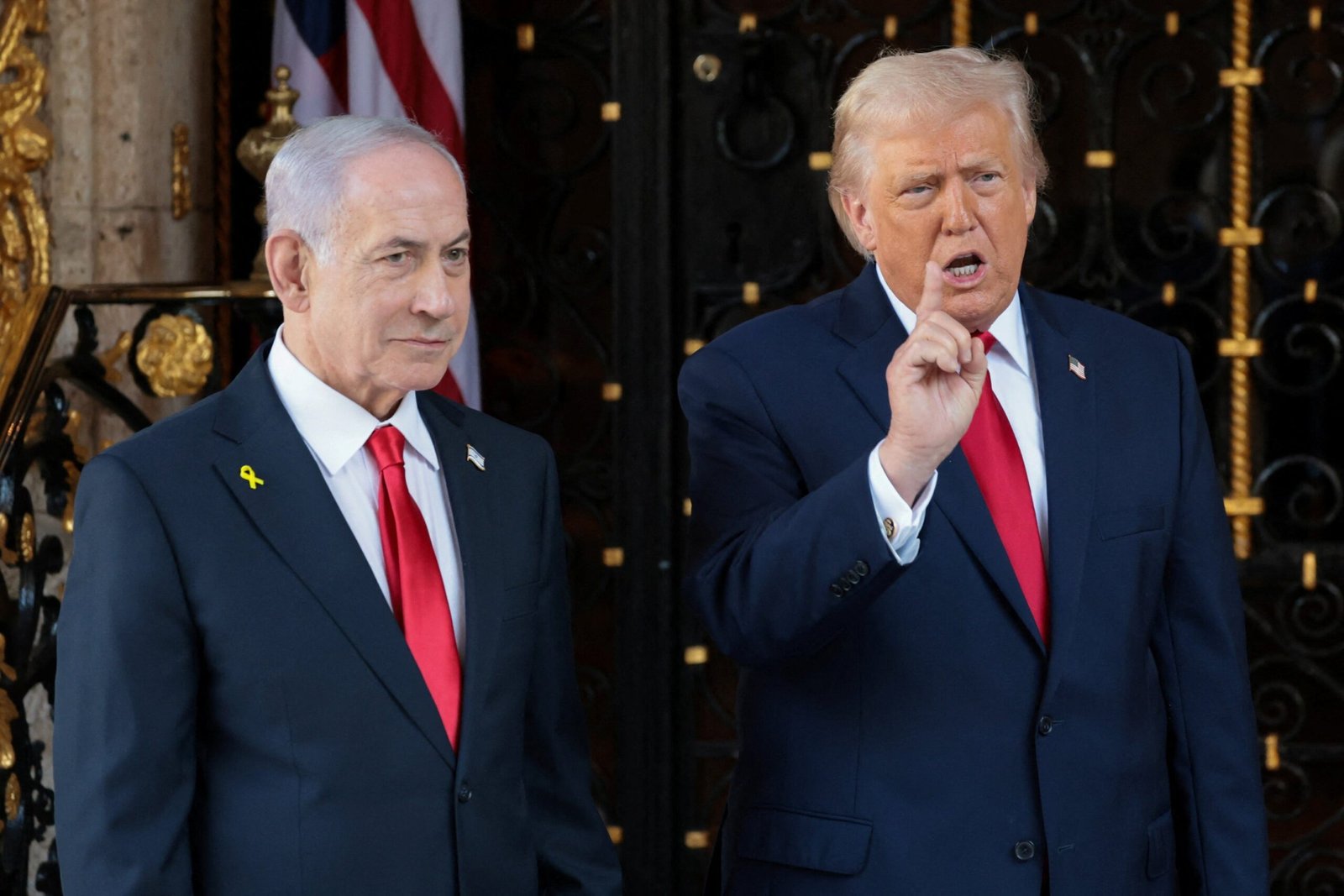
Trump faces low approval in relation to the war in Iran While the war against Iran puts Trumpism to the test in the United States, exposing fissures in the MAGA base that supports American President Donald Trump, in Israel the contrast is evident, with solid support from the population for the Benjamin Netanyahu government’s military offensive against the ayatollahs’ regime. ✅ Follow the g1 international news channel on WhatsApp LIVE: follow all the news about the war in Iran in real time In the last 19 days, Israelis have lived under the shrill sound of sirens: the alarm that rings for everyone to seek refuge in shelters has rung more than 60 thousand times, due to the threat of 480 missiles and drones launched by Iran and 900 fired by the Lebanese extremist group Hezbollah. Around 30 people died and 3,700 were injured. Even so, support for the war against the Islamic Republic has remained strong since the beginning and is explained by Iran’s threat to Israel’s existence and the belief that its regime is a concrete enemy. A survey carried out by the Israel Democracy Institute, ten days after the start of the conflict, found that 81% of the population approve of the war. The index rises to 92.5% when Israeli Arabs are excluded from the poll. About 70 percent of Jewish Israelis believe Iran’s nuclear program and ballistic missile threat can be eliminated with the offensive. According to the survey, 61% believe that the regime can be overthrown. US President Donald Trump speaks to the press alongside Israeli Prime Minister Benjamin Netanyahu on December 29, 2025 REUTERS/Jonathan Ernst The massive Israeli support for the military offensive does not, however, translate into a boost to the popularity of Netanyahu and his coalition. For around a year and a half, the parties that support the Prime Minister have been below the current parliamentary majority: 64 of the 120 seats in Parliament, states public opinion researcher Dalila Scheindlin, in an article published in the newspaper “Haaretz”, for which she is a columnist. She considers that Netanyahu has made few political gains so far: 38% of those interviewed in a survey by the Institute for National Security Studies published a week ago said they trust him — 4 points more than the survey carried out the previous week — which, in the researcher’s opinion, is far from being considered a turnaround. “The only exception is the fact that the majority of Israelis actually trust Netanyahu to manage this war (they simply don’t trust him in general): 53%, according to the Channel 13 poll, and 64% in the Israel Democracy Institute poll. Theoretically, over time, these results could help increase his overall popularity”, considers Scheindlin, highlighting, however, the stagnation in the country’s electoral dynamics. Another reason Israelis feel safe supporting the war is U.S. participation. The picture could change if Trump abandons Netanyahu and withdraws from the conflict. At this point, internal pressure on the American president pushes him to end the conflict. Iran’s regime is ‘weakened, but appears to be intact’, says Trump administration director The soaring oil and gas prices, isolation from traditional allies – who ignored the president’s call to intervene in the Strait of Hormuz – and the rejection of the majority of Americans to military intervention in Iran seem to leave Trump increasingly distant from the longed-for moment of declaring victory. Added to this conjunction of crises was the dramatic resignation of the director of the National Counterterrorism Center, Joe Kent, for not agreeing with the war. He stated that the Iranian regime posed no imminent threat to the US and alleged that the government embarked on the offensive under pressure from Israel. Faced with the repercussions of the abrupt departure of a subordinate, Trump acted on impulse, as usual, describing Kent as “very weak in security”. It went very badly. A die-hard supporter of the president, conspiracy theorist and card-carrying MAGA, Kent was appointed 13 months earlier to lead the main body that analyzes terrorist threats and shares information with other federal agencies.
Source link
War against Iran is rejected in the US, but has solid support in Israel
21
