
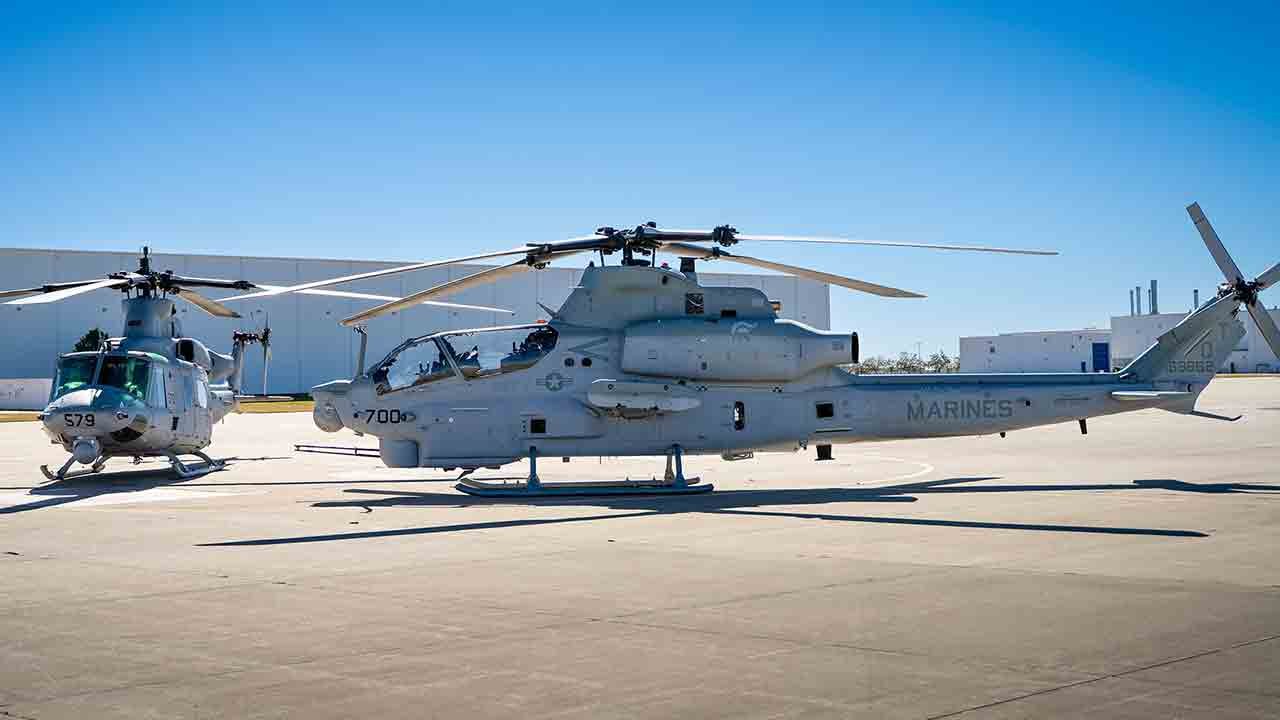
Bell Textron SPINEannounced the completion of the first two AH-1Z Viper and UH-1Y Venom aircraft modernized under the Structural and Power Improvements for NextGen Effects (Structural and Power Improvements for NextGen Effects) program. This program is an initiative by the United States Marine Corps to advance the H-1 fleet for a modern combat environment.
The completed aircraft departed from the Amarillo Assembly Center in Texas. Naval Air Station Patuxent Riverand is now entering a new flight test phase. This step will be instrumental in validating the final configuration of the modernization package that will be applied to the remaining airframes in the future.
SPINE The program was previously known as Structural Improvement and Electrical Power Upgrade (SIEPU) and has been redefined to reflect a more comprehensive approach. The current focus is on achieving greater structural strength, improving power delivery capabilities, and building a solid digital foundation for integrating next-generation technologies.
These improvements enable the H-1 helicopter to operate new weapon systems, advanced sensors, and expanded digital capabilities, enhancing strike capability and survivability in increasingly complex combat environments.
According to Scott Sims, Bell’s H-1 program director, this first airframe delivery is a strategically important milestone. He emphasized that these upgrades are designed to keep the helicopter at the forefront of military operations for a long time to come, with a focus on crew safety and operational efficiency.
The modernization process involved several business units, including the Drives System Center (DSC) and the Repair and Overhaul Center (ROC), followed by a final refurbishment in Amarillo over approximately 19 months. This project was conducted through close collaboration between the U.S. government, industry, and strategic partners.
According to Program Manager Danielle Markham, SPINE is a key step in the evolution of the H-1 platform, ensuring the aircraft remain competitive while fully integrating into modern joint force systems.
With the completion of this initial phase, it is expected to evolve into a continuous modernization cycle over the next decade, further strengthening the role of the AH-1Z and UH-1Y helicopters as strategic assets in U.S. Marine Corps operations.
Source and image: Bell. This content was created with the help of AI and reviewed by our editorial team.
