
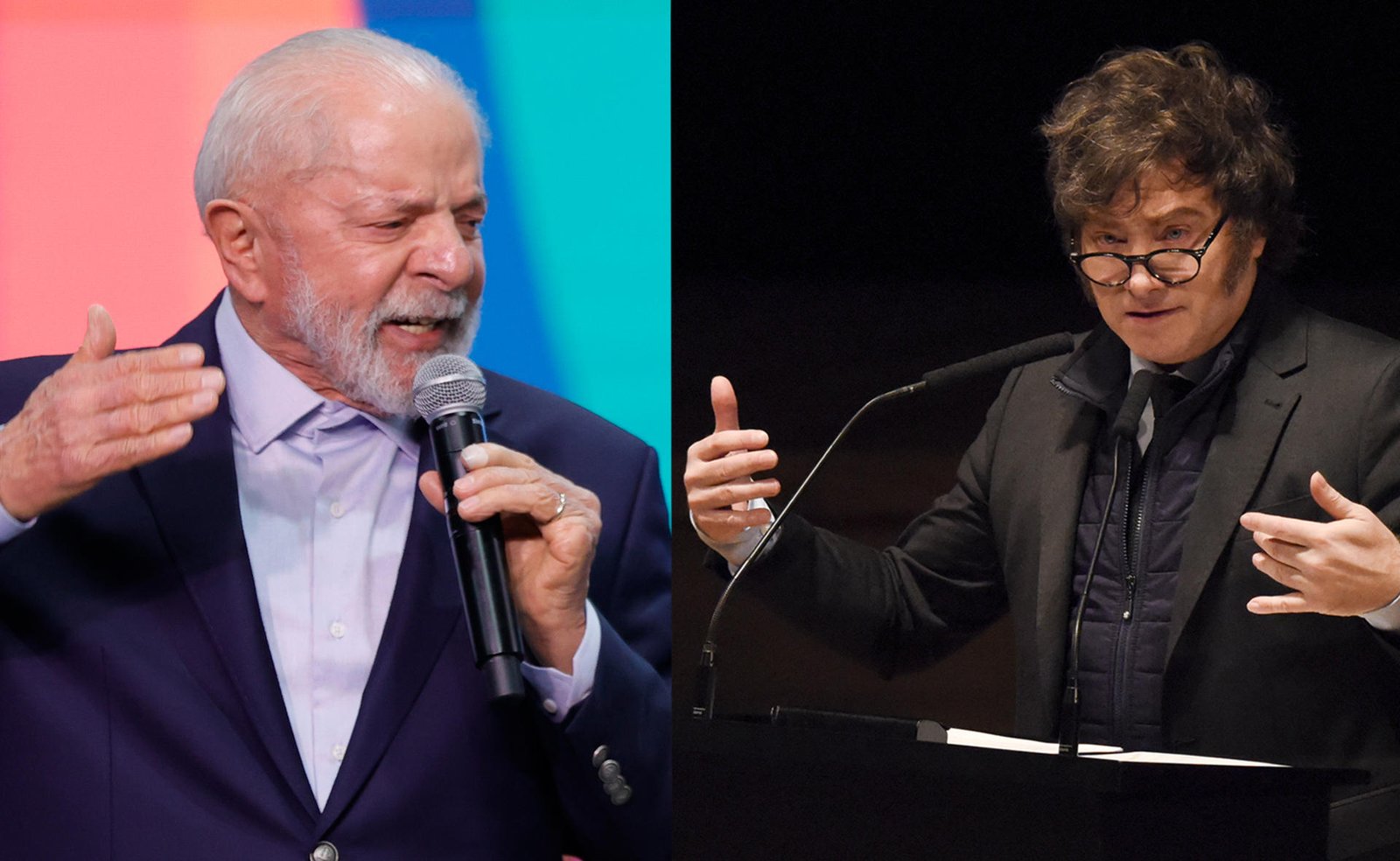
The recent structural reforms in Argentina led by Javier Milei, focused on labor flexibility and public security, expose a deep ideological contrast with the government of Luiz Inácio Lula da Silva in Brazil, marking opposite paths for the largest economies in Latin America.
What are the main differences in labor reforms in Brazil and Argentina?
Milei approved a reform that makes contracts more flexible, allows shifts of up to 12 hours and reduces the strength of unions to make firing and hiring cheaper. The Lula government is following the opposite path, prioritizing the end of the 6X1 work schedule and seeking to reduce the weekly journey from 44 to 36 hours to protect workers.
How are the two countries dealing with the issue of the age of criminal responsibility?
In Milei’s Argentina, Congress approved the reduction of the age at which a person can be criminally arrested, which fell from 16 to 14 years old. In Brazil, the Lula government acted to block similar proposals in the National Congress, maintaining the age of criminal responsibility at 18 and resisting the attempt to reduce it to 16.
What has changed in the view of the size of the State in each nation?
The Argentine strategy applies the so-called ‘chainsaw’ policy, eliminating thousands of public positions and emptying ministries to reduce spending. Meanwhile, the Brazilian administration argues that the State should be the engine of development, which resulted in record administrative expenses and the creation of more ministerial portfolios in the last year.
What is the current outlook for the economy and inflation in the two neighbors?
Argentina is beginning to show signs of recovery with drastic cuts, forecasting inflation below 1% per month in the second half of 2026, although annual rates are still high. Brazil, on the other hand, is facing a recent inflationary acceleration that was above financial market expectations.
What has cooperation been like in public security and the fight against crime?
There is a clear diplomatic distance. Milei sided with the United States in the ‘Shield of the Americas’ summit against drug trafficking and classified Brazilian factions such as the PCC and Comando Vermelho as terrorist organizations. The Lula government did not participate in the meeting and received with concern the announcement that the US is considering adopting the same classification.
Content produced based on information collected by the Gazeta do Povo team of reporters. To access the full information and delve deeper into the topic, read the report below.
SEE ALSO:
- Criminal majority, labor reform and more: Argentina under Milei challenges models defended by Lula
