
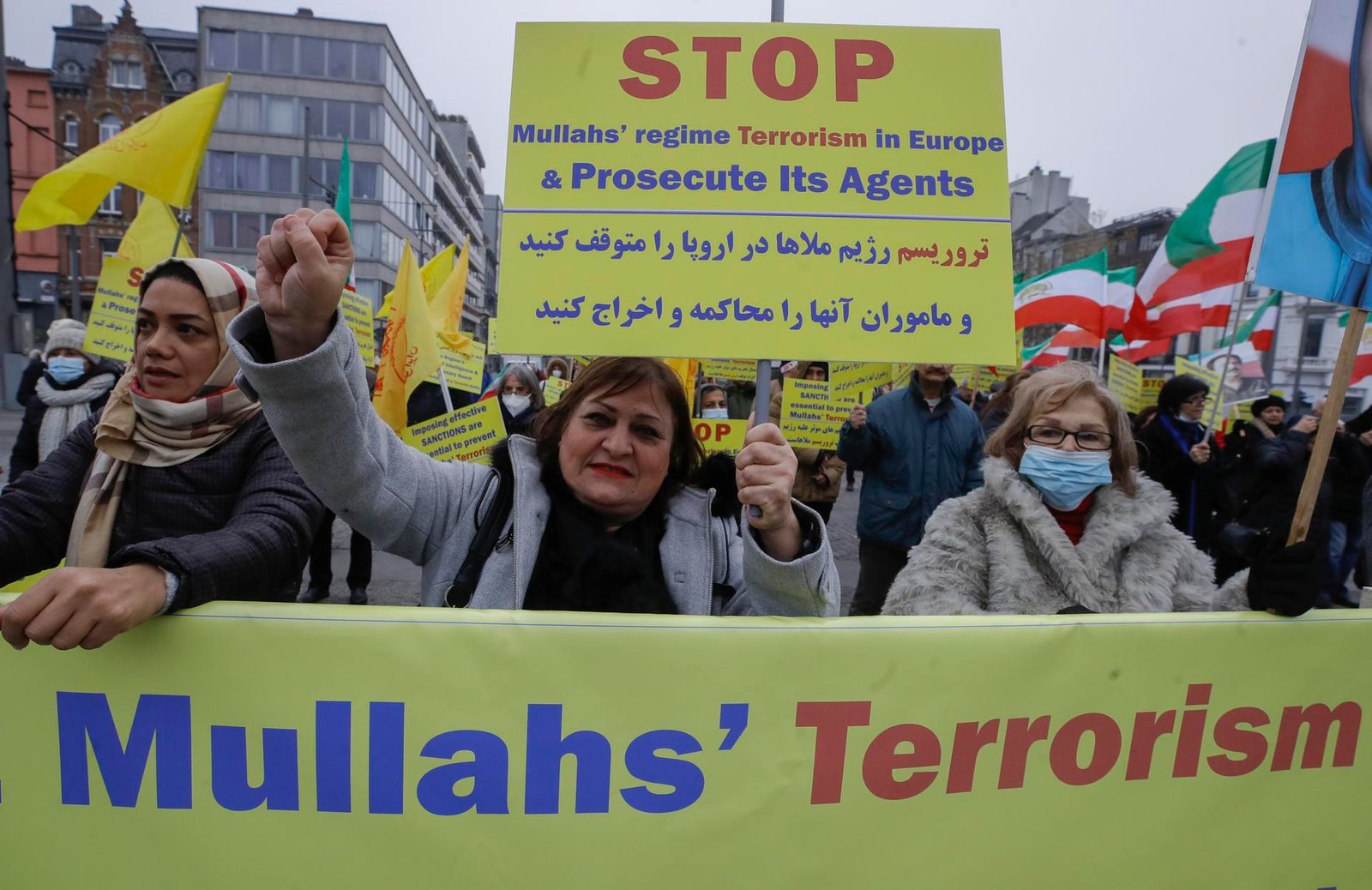
To avoid a direct conflict with militarily superior powers, Iran is betting on the so-called “shadow war”. The strategy uses intermediaries to carry out cyber attacks, sabotage and bombings in Europe and the USA, increasing the cost of confrontation without declaring open war.
What exactly is the concept of shadow warfare?
It is a military strategy where a country attacks its opponent indirectly and secretly. Instead of sending tanks or planes, Iran uses allied groups, common criminals or secret agents to carry out explosions, kidnappings and espionage. The objective is to cause damage and pressure the enemy, while maintaining the possibility of denying official involvement in the attack, which makes direct retaliation difficult and prevents the conflict from turning into a world war.
Which countries are most at risk of these attacks?
European nations and the United States itself are the main targets. Recently, authorities investigated explosions near the American embassy in Norway and damage to synagogues in Belgium. Countries such as the United Kingdom, Germany and France have also increased surveillance against cells linked to Iranian intelligence that monitor Jewish communities and opponents of the Islamic regime outside the Middle East.
How do sleeper cells work in foreign territory?
Sleeper cells are groups of agents or sympathizers who live ordinary lives in other countries, but are ready to act when given a command. Western intelligence has detected radio transmissions with suspicious numerical codes, which could serve to activate these individuals. These actions can range from planned assassinations of authorities to recruiting criminal organizations to perform logistical services in the shadows.
Who is responsible for coordinating these external Iranian operations?
Command of these clandestine actions is the responsibility of the Quds Force, an elite unit within Iran’s Revolutionary Guard. It specializes in intelligence operations and unconventional warfare outside Iranian borders. The strategy is led by these agents who function as links between the government in Tehran and intermediary groups spread across the world.
Why did Iran choose this strategy over traditional combat?
Because Iran faces adversaries with much greater military power, such as the United States and Israel. In conventional combat, the risk of regime destruction is high. Shadow warfare serves as a deterrent tool: Tehran signals that it has the capacity to harm the enemy anywhere on the globe, generating fear and political impact, while trying to maintain the conflict at a level that does not lead to a total invasion of its territory.
Content produced based on information gathered by the Gazeta do Povo team of reporters. To access the full information and delve deeper into the topic, read the report below.
SEE ALSO:
- Iran may resort to “shadow warfare” to increase pressure against the US and Israel
