
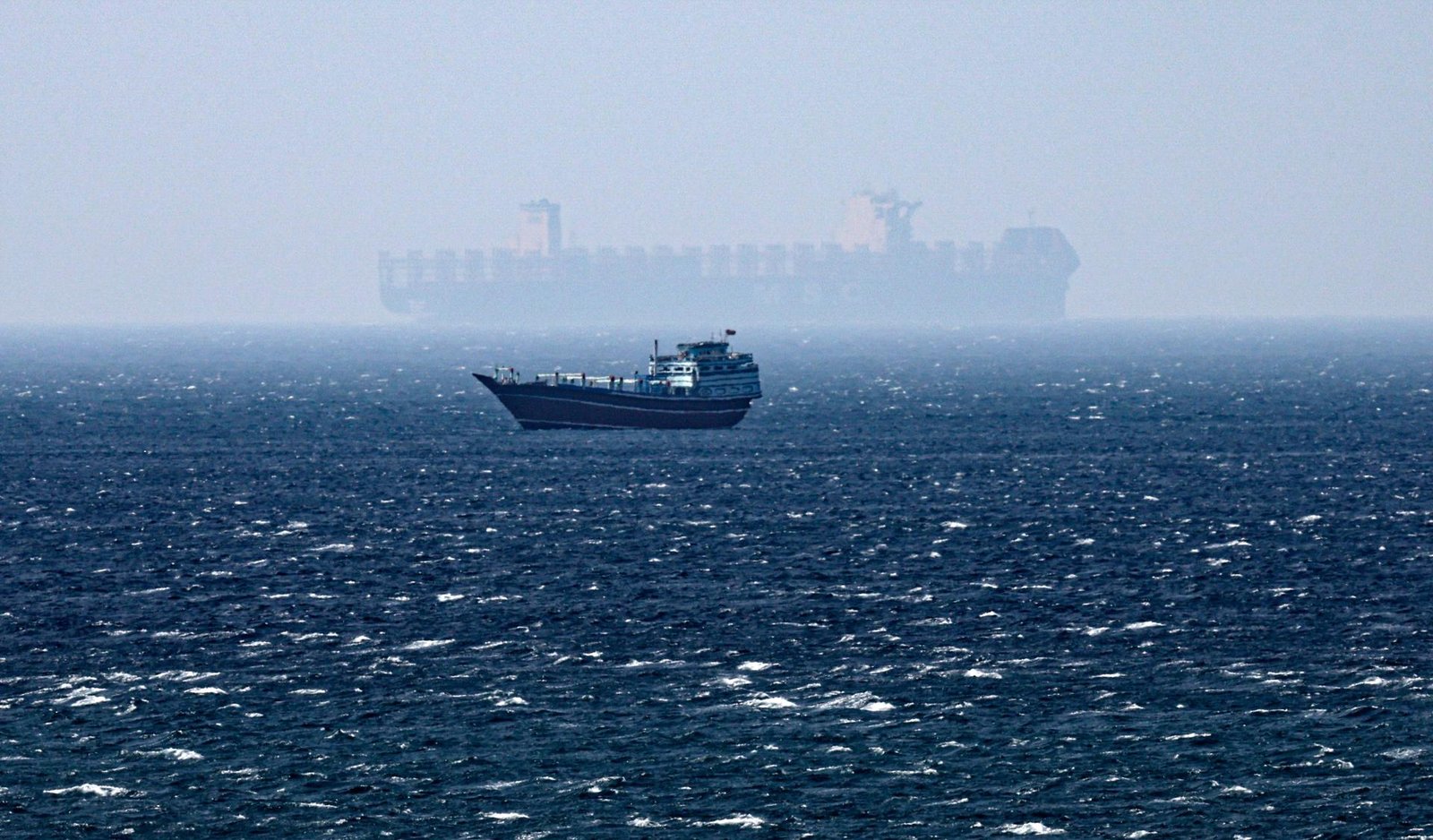
Since the end of February, the Strait of Hormuz has become the central stage of the conflict between Iran and the coalition formed by the USA and Israel. The route, vital for the world’s oil supply, faces blockages and attacks that have already reduced shipping by around 90%.
What is the strategic importance of the Strait of Hormuz for the world?
Located between the Persian Gulf and the Gulf of Oman, the strait is the planet’s main energy flow route. Around 20% of all the crude oil produced in the world passes through there, in addition to large quantities of liquefied natural gas. Control of this passage gives Iran enormous pressure on the global economy, as any interruption directly affects fuel prices and the cost of living in several countries.
How did the attacks affect navigation in the region?
The impact was severe. Since the fighting began, on February 28, 2026, more than a dozen vessels have been attacked. Estimates indicate that maritime traffic in the area has fallen by an impressive 90%. Currently, Iran allows the passage of ships selectively, authorizing only vessels from countries with which it accepts to trade, such as India and Turkey, while maintaining threats against allies of the United States and Israel.
What are naval mines and how are they being used?
Naval mines are explosives installed at sea that detonate when a ship passes by or touches them. It is a low-cost, high-impact tactic for destroying large cargo ships. Reports indicate that Iran has thousands of these mines in its arsenal. In response, American forces carried out intense operations in a single night to destroy Iranian ships specialized in spreading these artifacts, trying to guarantee the security of the route.
What are the consequences of this conflict for Brazil?
The Brazilian government’s main concern is the supply of fertilizers, which are essential for our agriculture and which also transit through that region. Furthermore, instability in the Strait of Hormuz generates a global domino effect: the increase in transport, freight and maritime insurance costs ends up making food and energy more expensive, putting pressure on inflation and the budget of Brazilian families.
What is the United States’ strategy to reopen the crossing?
Donald Trump’s administration is seeking to form an international coalition to challenge the Iranian blockade. The plan involves calling on directly affected countries, such as Japan, South Korea, the United Kingdom and France, to carry out joint military escorts to the oil tankers. Although countries like Japan view the measure with caution due to military risks, pressure is mounting for a task force to protect the global flow of energy.
Content produced based on information gathered by the Gazeta do Povo team of reporters. To access the full information and delve deeper into the topic, read the report below.
SEE ALSO:
- Strait of Hormuz, global oil route, becomes epicenter of war
