
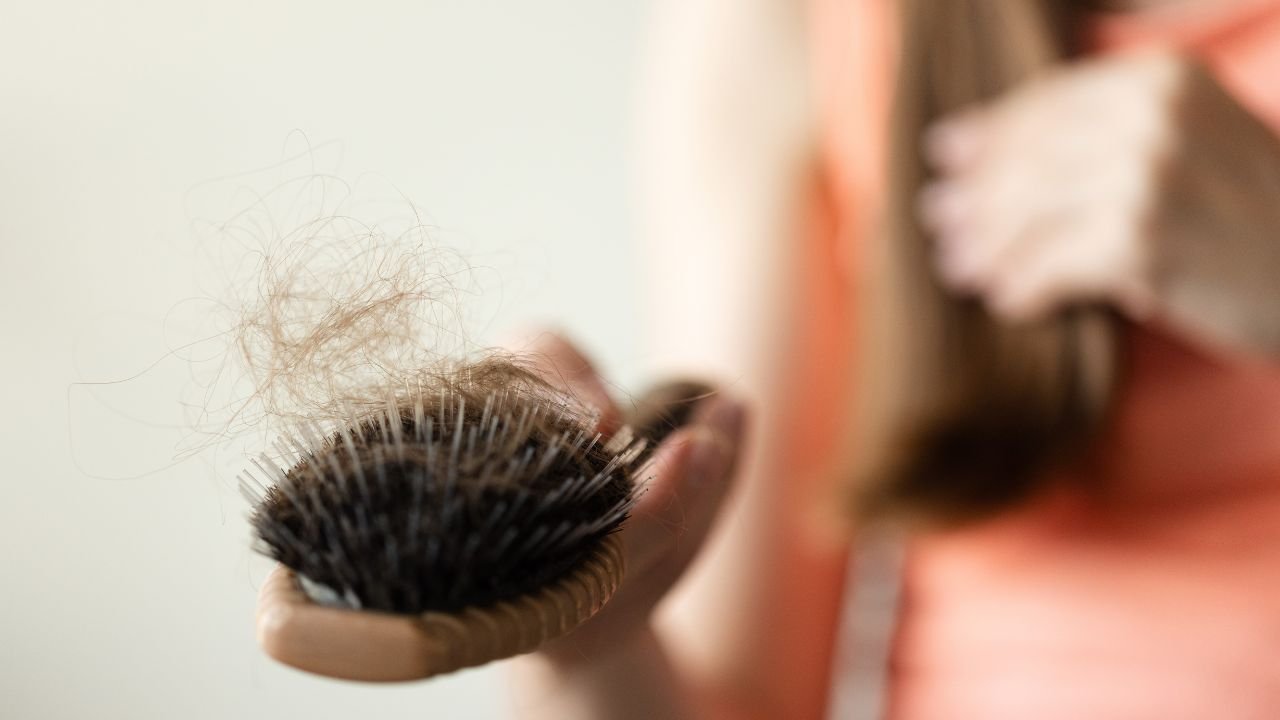
Abnormal hair loss, thinning, thinning and the appearance of flaws on the scalp generate intense terror in people of any gender or age. This desperation and the search for an immediate solution often leads patients to look for treatment references or “specialized clinics” on social media. And, at that moment, the danger may be beginning.
Exaggerated promises and social media marketing
Aggressive marketing on the internet, often with the use of images made from artificial intelligence applications by some professionals, in addition to deceiving the public, confuses those who are afraid of baldness and, normally, are seduced by the inflated number of followers of those who present miraculous solutions.
Acronyms, difficult words and procedures without approval
Another resource that has been used to attract even more attention is the addition, to videos or texts, of acronyms or difficult words, such as PRP, liposomes, exosomes, microneedling, hair mesotherapy, stem cells and many other “protocols”, not endorsed or regulated by ANVISA, nor by the CFM, as they do not attest to any documented clinical results. Furthermore, procedures carried out by unqualified professionals can compromise people’s safety and physical integrity. As such impediments are not enough, several of these “actives” are still in the animal testing phase, thus transforming patients into true human guinea pigs.
Serious complications and how to protect yourself
As president of the Brazilian Society of Trichology and, in my daily clinical practice as a doctor and trichologist, I have observed and recorded an 82% increase since the post-pandemic period in the number of serious scalp complications, caused by unapproved procedures and/or carried out by unqualified professionals. The most frequent complications arising from invasive processes, such as the use of needles in the scalp with curlers, injections, mesotherapy containing vitamins and unknown preparations, are scalp infections, often leading to definitive damage to the hair follicles, with no chance of recovery.
Another frequent problem is cross-contamination by the PRP (platelet-rich plasma) “technique” which, as it is an experimental technique, cannot be used, much less charged. The risk for the patient is being infected by a virus, such as HIV, hepatitis B, or also contracting bacterial infections. Currently, medical advances in trichological medicine allow us to obtain cosmetically satisfactory results in non-invasive ways, without needles, bleeding, pain or injections. And without the incidence of side effects.
Therefore, when observing the first signs of abnormal hair loss (excess hair around the house, on the comb, on the brush, on the pillow, in the shower drain), the safest thing is to look for a doctor and trichologist you trust, checking whether the professional has CRM (it is mandatory to be included in the profile). The ideal is not to base yourself on the number of followers or before and after photos, as they can even be manipulated. Remembering that the Federal Council of Medicine prohibits any dissemination of photos of patients showing results. Always look for references from the chosen doctor through family, friends or patients already treated by the professional. The safest advice is: avoid invasive procedures. The option for hair implants – only as a last resort.
Dr. Luciano Barsanti is a doctor and trichologist, president of the Brazilian Society of Tricology, full member of the Italian Society of Tricology, medical director of the Instituto do Cabelo – São Paulo and full member of the ALHC – American Hair Loss Council – USA.
