
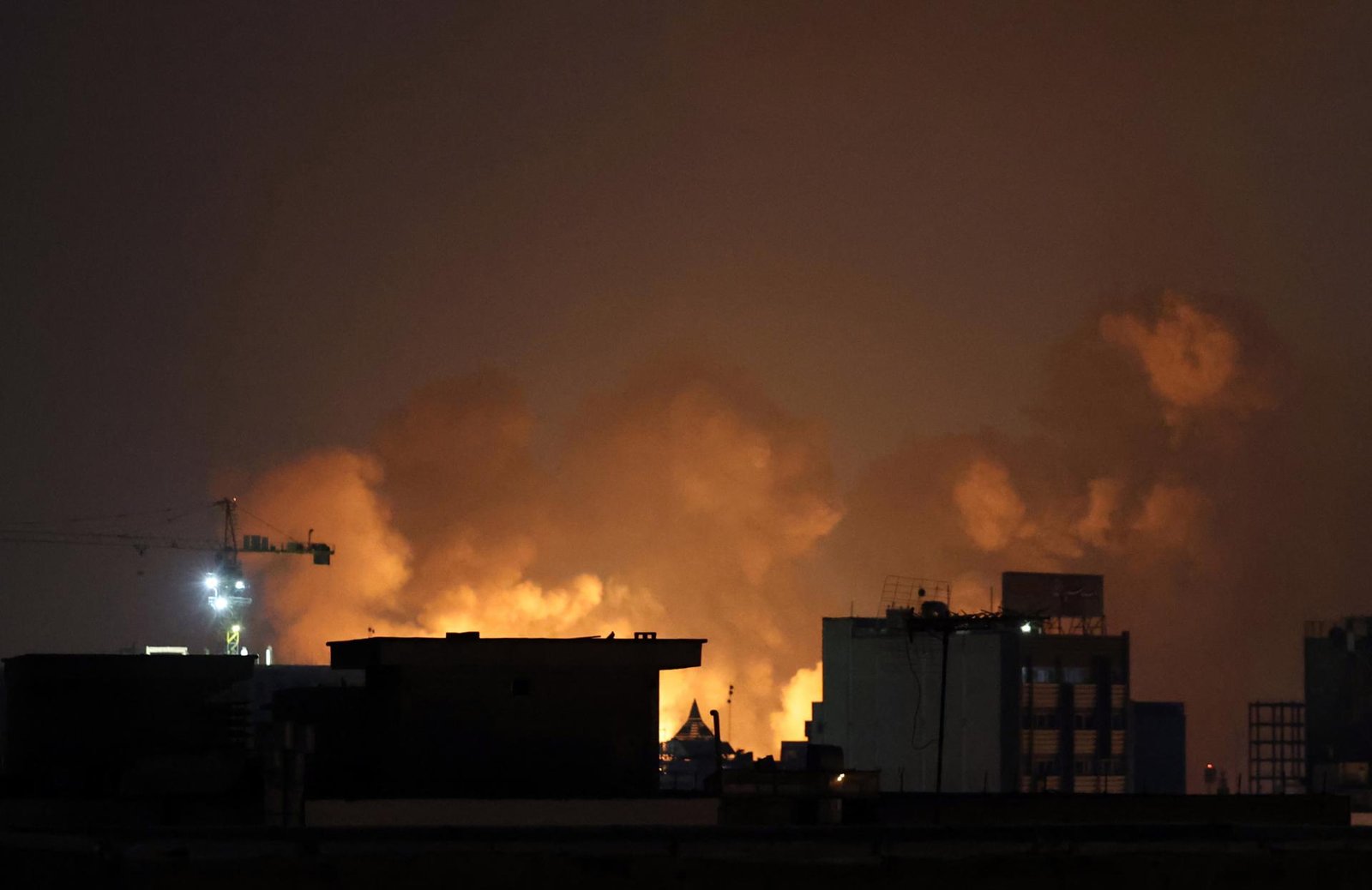
The Pentagon informed US parliamentarians this Tuesday (11) that the ongoing war against Iran has already cost more than US$11.3 billion (approximately R$58 billion, at the most recent exchange rate) in the first six days of the offensive. The estimate was presented in a private meeting held at the Capitol, according to the newspaper The New York Timesand represents the broadest calculation so far brought to Congress on the cost of the operation being conducted with Israel.
According to the information, Pentagon authorities did not publicly detail how this value was composed. THE Times said that the figure presented to parliamentarians does not include several expenses associated with the operation, such as the prior mobilization of military equipment and personnel before the attacks begin. Therefore, according to the report, congressmen expect the real cost of the first week to be considerably higher as the Pentagon completes the calculations.
The release of the estimate comes amid increased pressure on President Donald Trump’s administration in Washington. Parliamentarians, especially those from the Democratic Party, have been demanding daily explanations about the objectives of the ongoing operation, the extent and deadline of the war against the Iranian regime.
In previous conversations, Pentagon officials told congressmen that the military used around US$5.6 billion (R$28.8 billion, at the most recent quote) in ammunition in the first two days of the conflict alone.
Estimates made by think tanks, such as the Center for Strategic and International Studies (CSIS), indicate that the rate of spending at the start of the war may have reached close to US$1 billion per day (R$5.1 billion), due to the intensive use of precision missiles, drones, strategic bombers and anti-missile systems. In some scenarios discussed with parliamentarians last week, the daily cost could have approached US$2 billion (R$10.3 billion) in the first days of the offensive, when military activity was most intense.
The calculations also consider high expenses with the operation of large military assets, such as aircraft carriers and long-range bombers, in addition to the maintenance of tens of thousands of soldiers mobilized in the region. Part of this spending is not foreseen in the Defense Department’s regular budget, which raises the expectation that the Trump administration will need to ask Congress for more financial resources if the war prolongs.
