
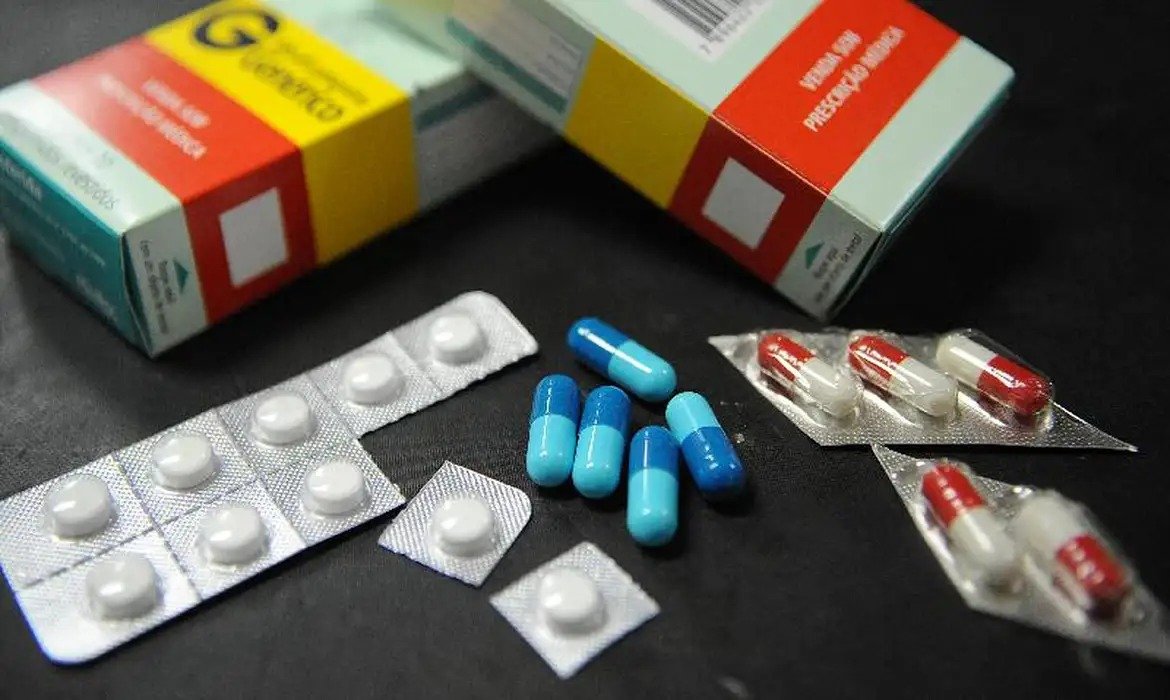
Taking multiple medications at the same time or resorting to medication on your own may seem harmless, but this combination increases the risk of adverse effects, dangerous interactions, and preventable complications. In health, more is not always better.
In the office, it is common to see patients who arrive with an extensive list of medications. Some were prescribed by different specialists; others started on their own initiative. Analgesics for back pain, anti-inflammatories for “inflammation”, sleeping pills, supplements, “natural” teas. Many times, no one stopped to review the set.
This scenario is called polypharmacy – generally characterized by the simultaneous use of five or more medications. Although necessary in some cases, especially in patients with multiple chronic diseases, excess medication can become a silent risk factor.
Drug interactions: the danger that does not appear on the leaflet
Each medication has a specific action profile. When combined, their effects can add up, cancel each other out or generate unexpected reactions. Drug interactions can increase the risk of bleeding, pressure drops, kidney changes, liver problems and heart disorders.
In the elderly, the risk is even greater. Aging changes metabolism and the elimination of substances by the body, making side effects more intense and prolonged. A simple anti-inflammatory, for example, can decompensate blood pressure, worsen kidney failure or interfere with the action of anticoagulants.
Furthermore, the simultaneous use of multiple medications can reduce the effectiveness of essential treatments, compromising the control of diseases such as diabetes, hypertension and heart failure.
Self-medication: the false sense of security
Self-medication is another important component of this problem. The ease of access to painkillers, anti-inflammatories and other drugs creates the impression that they are always safe. However, no medicine is without risk.
Taking medication on your own can mask important symptoms, delay diagnoses and generate cumulative adverse effects. Frequently used anti-inflammatories, for example, increase the risk of gastrointestinal bleeding and cardiovascular complications. Sleeping medications can be addictive and increase the risk of falls.
Patients with chronic illnesses must pay extra attention. An apparently simple remedy can interfere with treatments already in use or destabilize a previously controlled condition.
Therapeutic review: less can be more
One of the most important strategies in clinical practice is the periodic review of the medication list. Assessing whether they are all still necessary, whether the doses are adequate and whether there is the possibility of simplification is part of responsible care.
So-called deprescribing – the planned and safe withdrawal of medications that no longer provide a clear benefit – is an important tool, especially in the elderly. It reduces risks and improves quality of life.
It is essential that the patient brings a complete list of everything they use to the consultation, including supplements and natural products. Shared information is the first step towards therapeutic safety.
Medicine is a valuable tool when properly indicated. But excessive, disorganized or unguided use turns the treatment into a risk. In terms of health, balance and regular medical monitoring are the best strategies to protect the body and avoid unnecessary complications.
Dr. Alfredo Salim Helito – CRM/SP 43163 | EQR 132808
Medical Clinic
Member of the clinical staff at Hospital Sírio-Libanês
Member of the emergency department at Hospital Sírio-Libanês
National Head of Medical Clinic at Brazil Health.
