
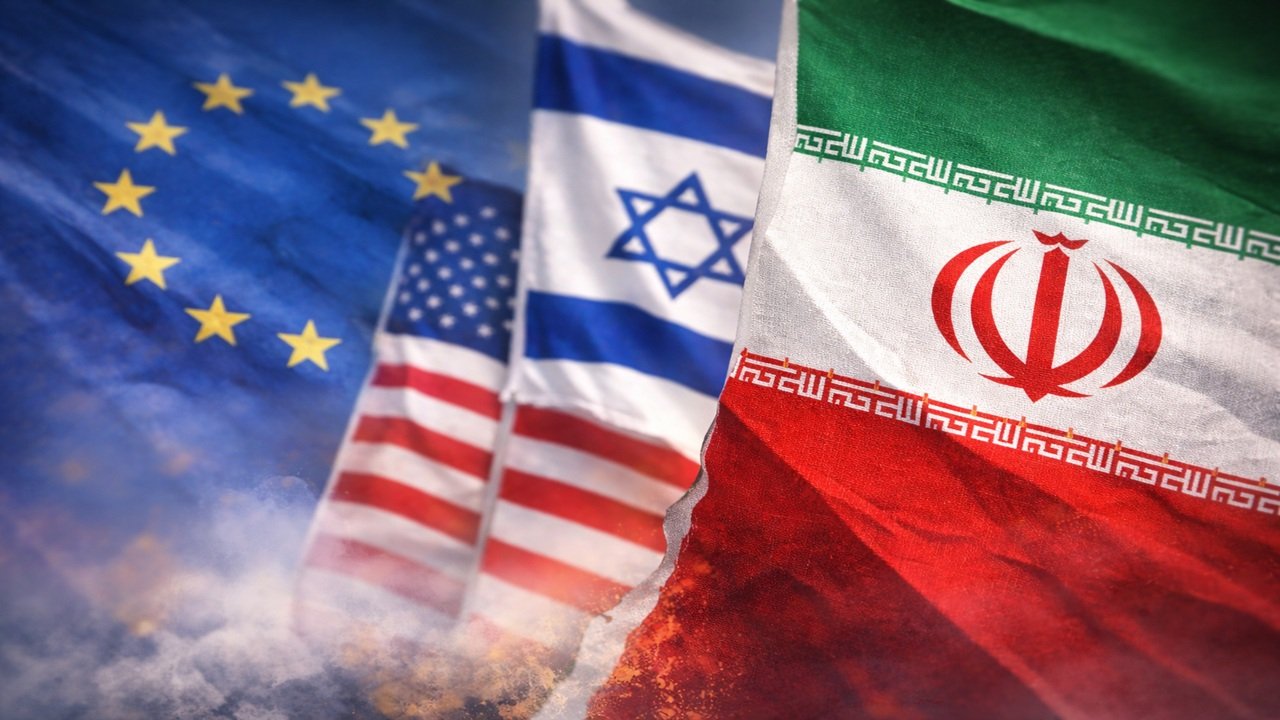
Iran’s military escalation in the Middle East, with attacks on allied bases in Cyprus and political pressure, threatens to break Europe’s neutrality. Countries such as the United Kingdom and Italy are already strengthening their military presence in the region to protect strategic interests and contain the export of conflict.
What was the event that triggered high alert in Europe?
The first direct impact occurred in Cyprus, a member of the European Union. An Iranian-made drone hit and damaged a British air base on the island. Although the attack came from Lebanon, via Hezbollah (a group supported by Iran), the episode showed that the war is no longer geographically restricted and can reach European installations at any time.
How are different European countries reacting to the conflict?
There is a clear internal division. Germany and Italy aligned themselves with the USA and Israel, justifying actions against the Iranian nuclear threat. France and the United Kingdom focus on defending their bases, sending ships and aircraft carriers. Spain adopted the most critical stance, denying the use of its bases by American forces and defending an exclusively diplomatic solution to stop the violence.
What do experts call drag climbing?
It is the process in which Europe enters the military gear without a formal decision to declare war. This is due to the need to intercept drones, protect citizens in risky areas and defend commercial routes. Even if governments prefer diplomacy, the logic of military alliances and the perception of a collective threat end up forcing a more active stance on the battlefield.
What would be the triggers for an immediate entry into the conflict?
Two points are crucial: a direct attack on European territory or on troops from a NATO member country. Furthermore, if Iran disrupts energy routes (such as oil and gas transportation) or targets French interests in North Africa, there will be a strong political justification for a coordinated armed response, overcoming resistance from local public opinion.
What is the official position of the European Union as a bloc?
European diplomacy, now led by Kaja Kallas, accuses Iran of ‘exporting war’. At the institutional level, the bloc tries to maintain respect for international law and prevent the conflict from spreading further. However, Iran has already warned that any European military action will be considered an act of war, putting the European Union in a position of increasing vulnerability.
Content produced based on information gathered by the Gazeta do Povo team of reporters. To access the full information and delve deeper into the topic, read the report below.
SEE ALSO:
- Iran’s attacks in the Middle East push Europe into conflict
