
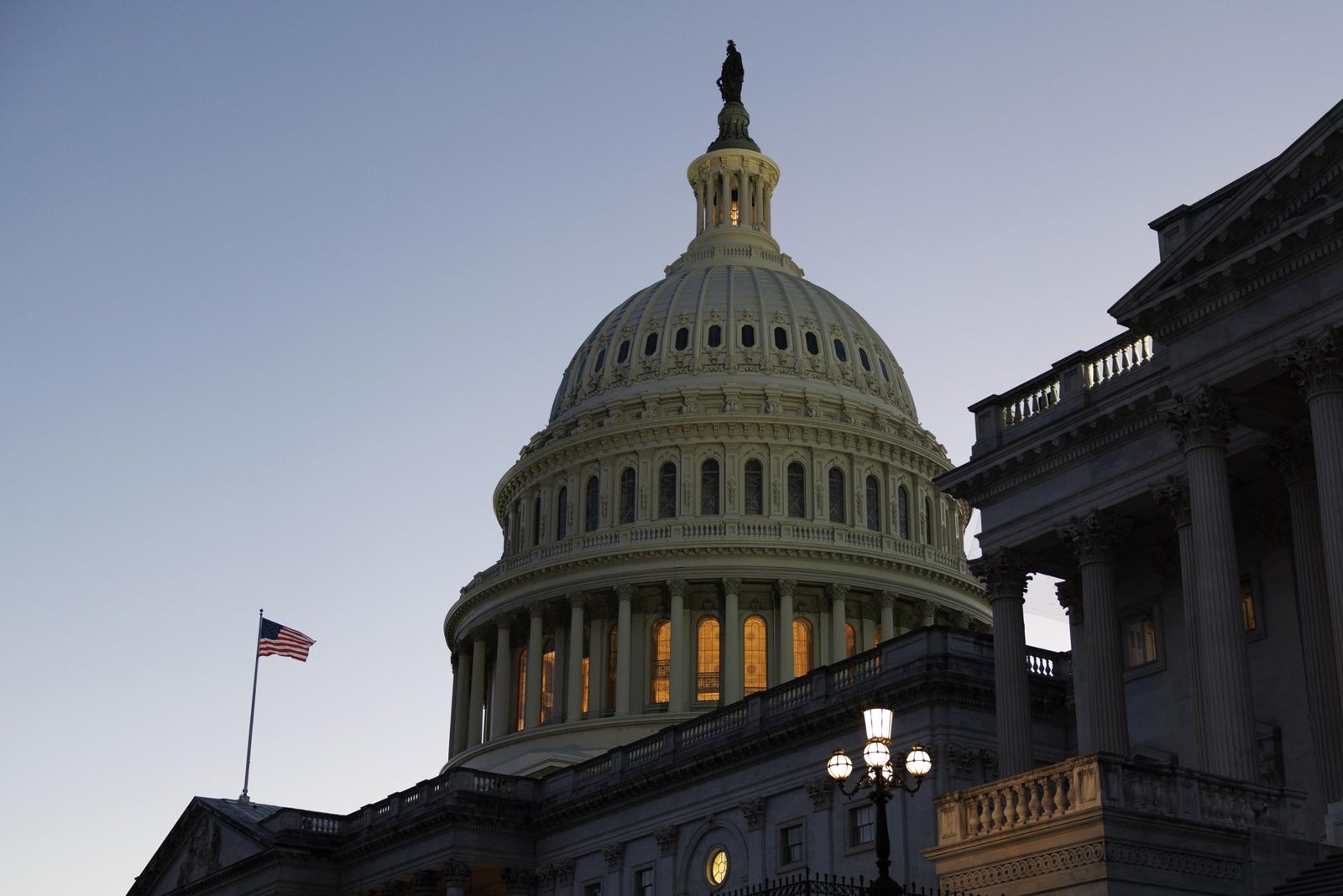
The President of the United States, Donald Trump, achieved two victories in Congress to maintain the ongoing offensive against the Iranian regime. In separate votes on Wednesday (4) and this Thursday (5), both the Senate and the Chamber of Deputies rejected resolutions that sought to limit the president’s powers to conduct military actions without prior authorization from the Legislature.
In the Chamber, the proposal was defeated this Thursday by 219 votes in favor to 212 against. This Wednesday, the Senate had also rejected a similar measure, by 53 votes in favor to 47 against. The resolutions invoked the call War Powers Resolutiona 1973 law that regulates the use of the Armed Forces in conflicts abroad without a formal declaration of war.
According to supporters of the proposal, especially parliamentarians from the Democratic Party, the president could not expand military operations against Iran without explicit authorization from Congress. They argued that the Constitution gives the Legislature the power to declare war and questioned whether there was an “imminent threat” that justified the White House’s action.
Republicans, in turn, maintained that limiting the commander-in-chief at this time would compromise the conduct of the ongoing military operation in the Middle East. House Speaker Mike Johnson said stripping President Trump of war authority at this time would be a “frightening prospect.”
This week, Secretary of State Marco Rubio declared that the Trump administration had met all legal requirements for notifying Congress to execute and expand the operation against Iran.
The Trump administration estimates that the conflict against Iran could last weeks. The military campaign against Tehran focuses on targeting the Iranian regime’s strategic infrastructure, including missile capabilities, military bases and facilities associated with the nuclear program.
