
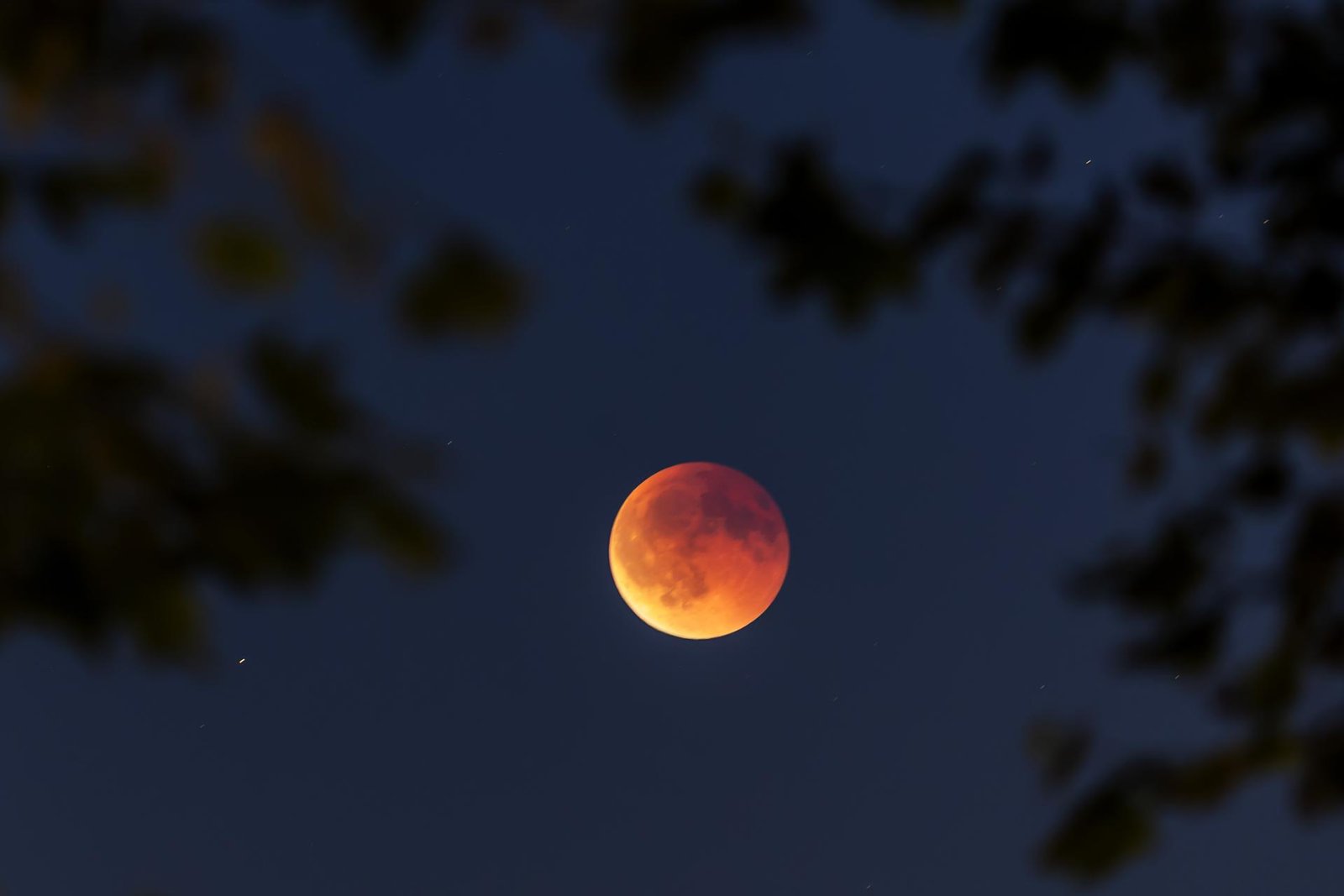
This Tuesday (03), the sky was the stage for an astronomical spectacle: the Blood Moon. The phenomenon, result of a total lunar eclipse, left the satellite with a reddish tone which caught the attention of observers in different parts of the world.
According to NASA, this happens because colors with shorter wavelengths – such as blue and violet – disperse more easily in the Earth’s atmosphere. Those with longer waves, such as red and orange, are able to cross the atmosphere and, thus, dye the Moon in orange or reddish tones during the eclipse.
For those who were unable to observe the famous Blood Moon, the Los Angeles observatory – Griffith Observatory – broadcast the eclipse live on its YouTube channel:
The event started at 5:44 am (Brasília time). The more perfect the alignment between the Sun, Moon and Earth, the longer the duration of the total eclipse, according to the National Observatory.
In Brazil, it was possible to partially monitor the phenomenon, especially in the far west of the country. Individuals who were in regions such as Amazonas and Acre had the chance to observe the lunar eclipse for a few minutes.
In North America, Asia and Australia, residents were also able to witness the spectacle. Several photographic records were taken and shared from these locations.
Check out some images:
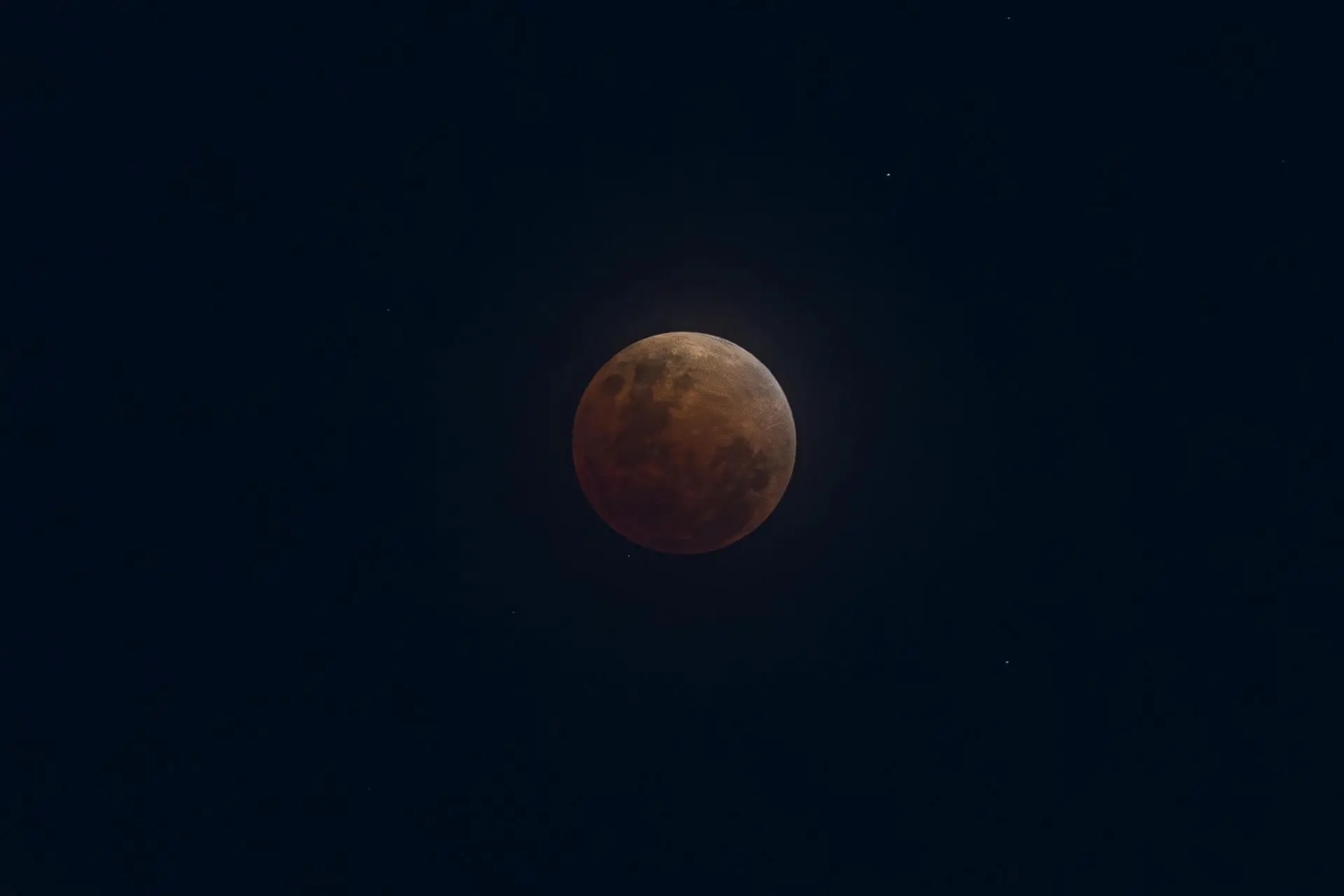 Total lunar eclipse seen from Bali, Indonesia. (Photo: EFE/EPA/MADE NAGO)
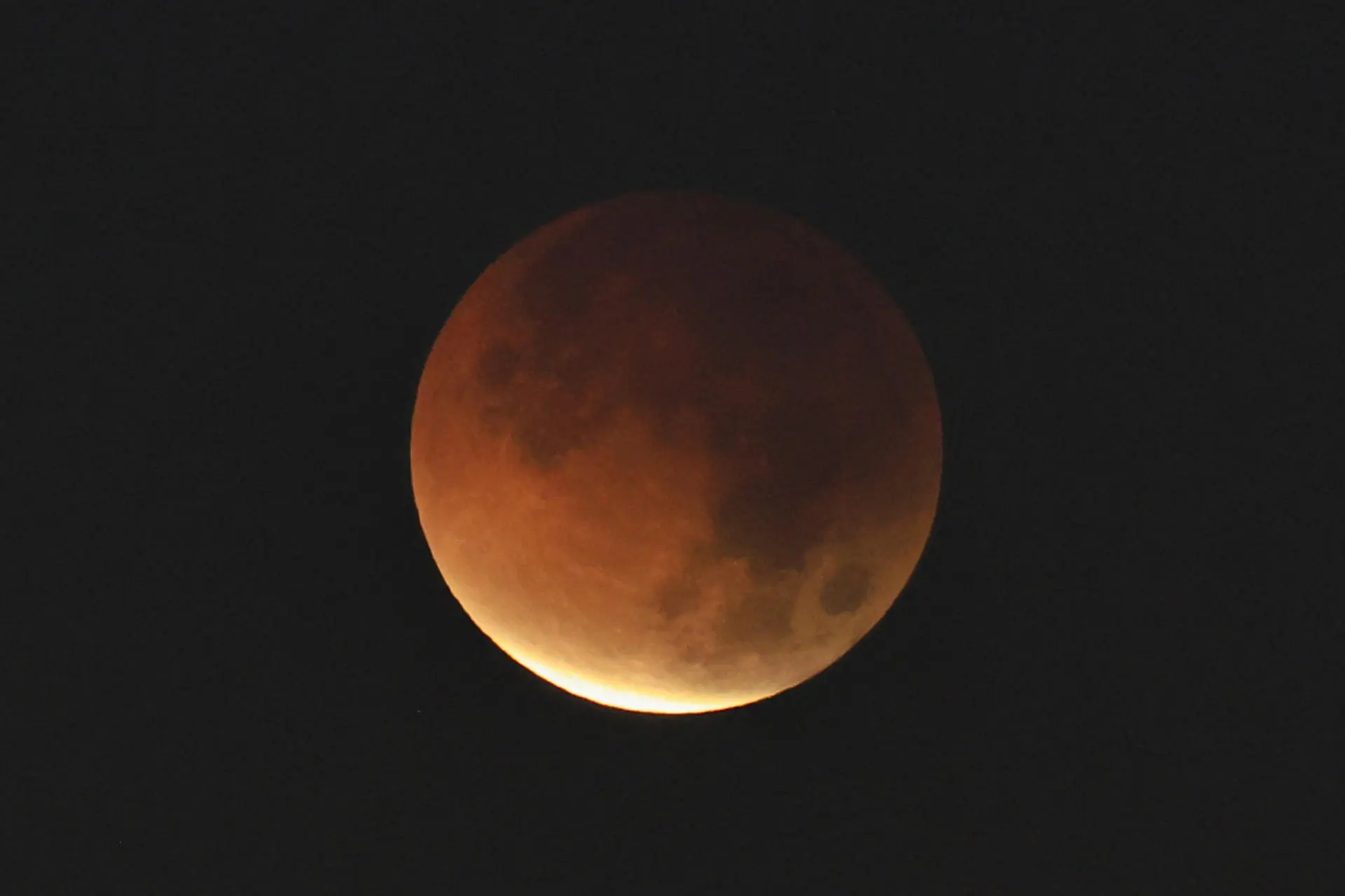 Total lunar eclipse seen from Panama. (Photo: EFE/ Bienvenido Velasco)
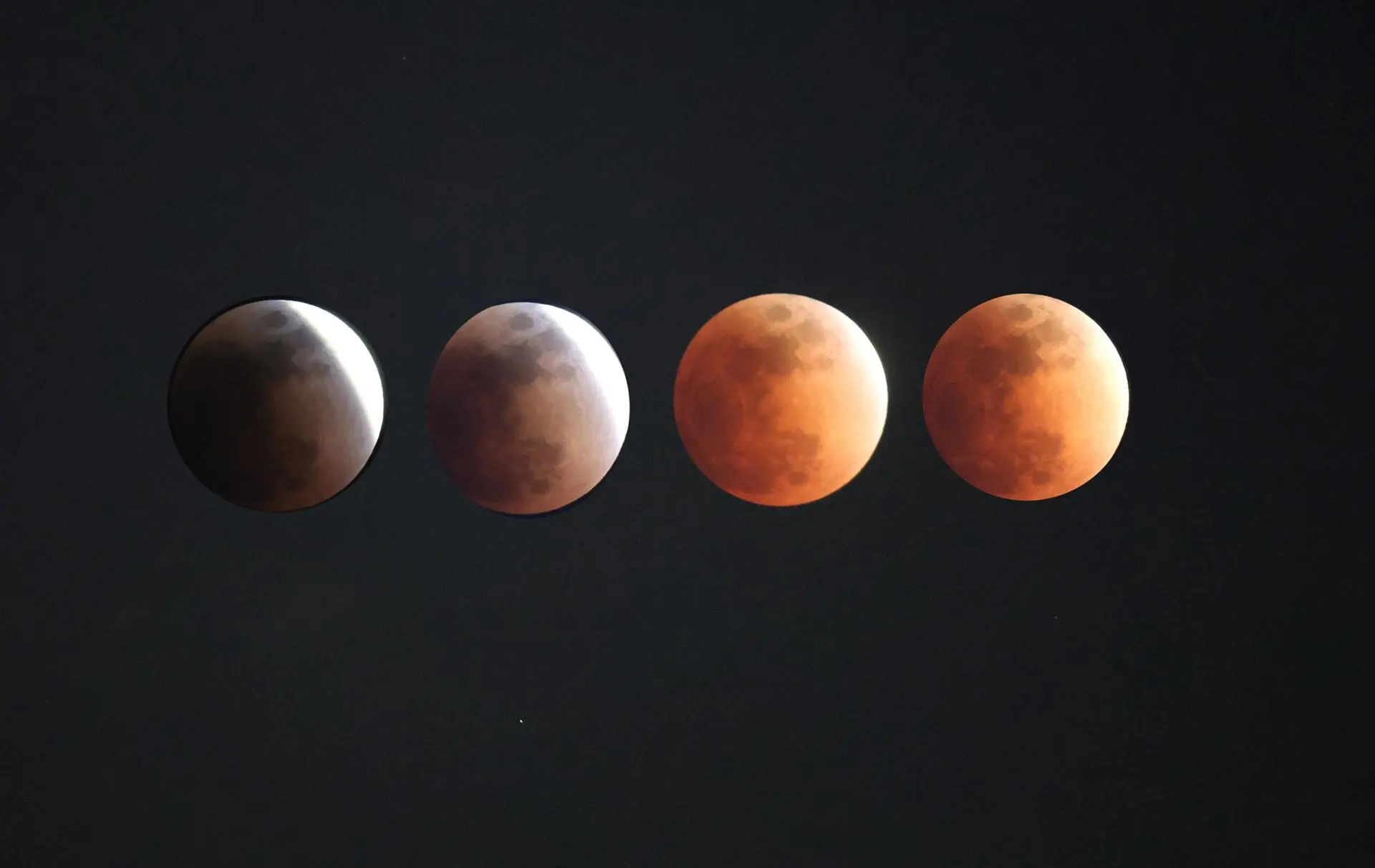 Total lunar eclipse seen from South Korea. (Foto: EFE/EPA/YONHAP COMBINED PHOTO – SOUTH KOREA OUT)