
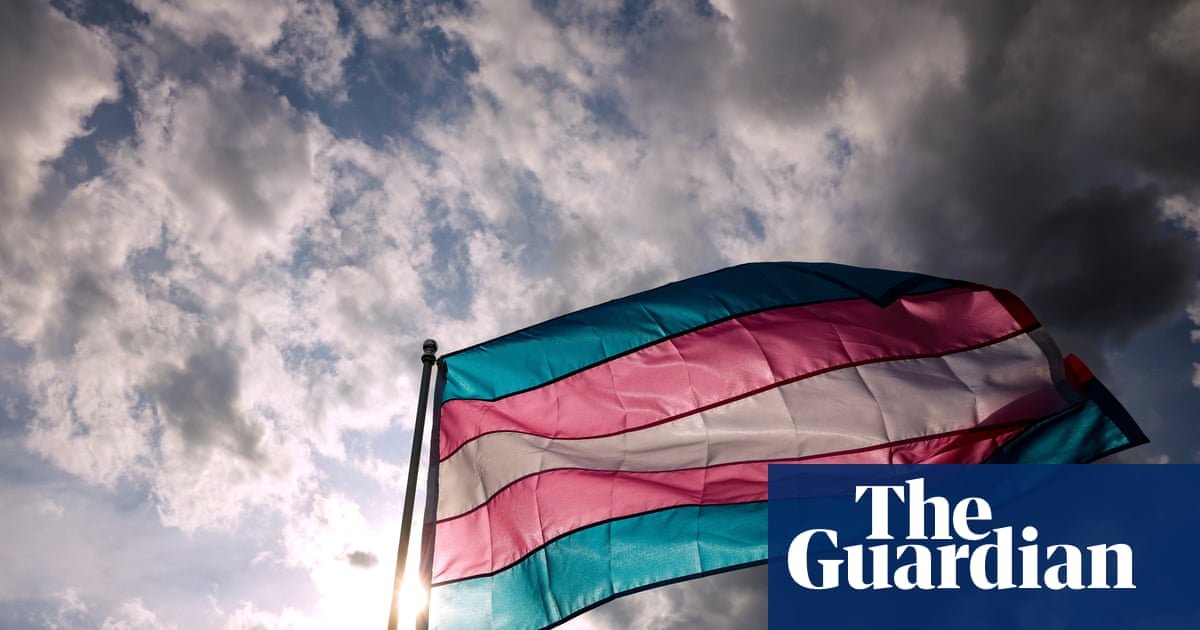
The US supreme court has decided to block a series of California laws that can limit the sharing of information with parents about the gender identity of transgender students in public schools. This ruling marks a victory for parents who challenged these protections on religious and due process grounds.
The emergency request was granted on Monday and the decision was made along party lines, with the three liberal justices dissenting.
California law contains several provisions, including the right to privacy under the state constitution, that the state has said could apply when transgender students object to having their gender identities disclosed to their parents or guardians, sometimes out of fear of hostility, rejection or even violence.
This ruling caps off more than two years of legal battles in state and federal courts.
In 2023, two southern California teachers sued the Escondido union school district in the southern California’s US district court arguing: “A parent’s right to make decisions concerning the care, custody, control, and medical care of their children is one of the oldest of the fundamental liberty interests that Americans enjoy,” and that right being violated with respect to a student’s gender identity can lead to severe emotional and physical harm, the lawsuit reads.
Two devoutly Catholic married couples later joined the suit, alleging that their children expressed themselves as transgender boys at school without the knowledge or consent of their parents, violating their religious rights and their right as parents under the 14th amendment’s due process provision to direct the care of their children.
US district judge Roger Benitez in December ruled in favor of the plaintiffs and issued an order blocking these measures. The ninth US circuit court of appeals put Benitez’s ruling on hold on 5 January, citing multiple errors in the judge’s analysis.
The supreme court’s ruling has now done away with the appeals court’s ruling.
The supreme court is also due to rule on another case that focuses on young trans people. On 13 January, the high court heard oral arguments in a case involving Lindsay Hecox, a college student in Idaho, and Becky Pepper-Jackson, a 15-year-old high school student. The pair sued over Republican-supported laws in West Virginia and Idaho that barred them from girls sports. A majority of the justices appeared poised to uphold the ban, which could carry profound implications for trans rights across US society.
