
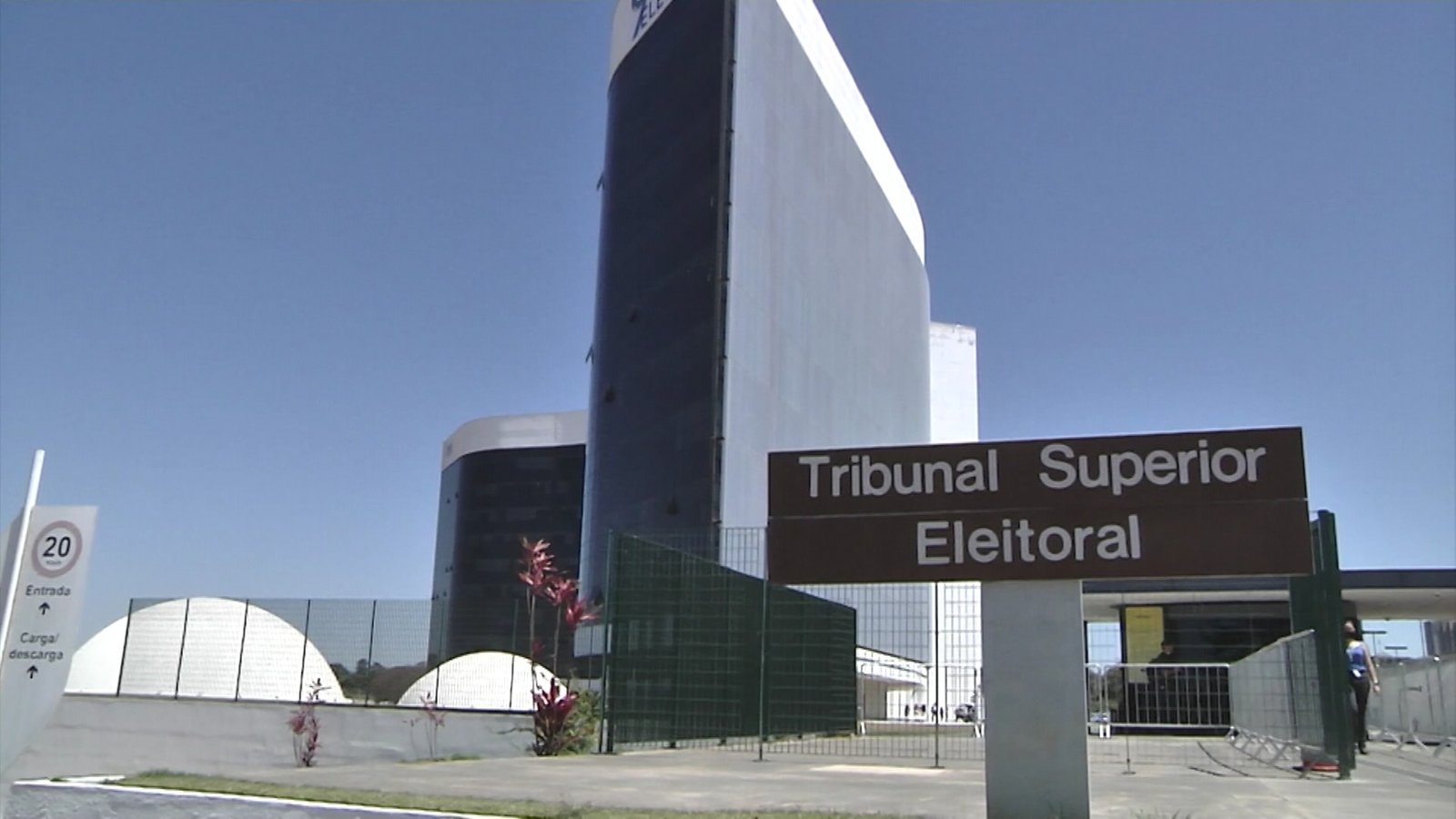
The Superior Electoral Court (TSE) will meet again this Monday (2) to continue analyzing the resolutions that will govern this year’s elections. According to legislation, all standards must be approved by March 5th, next Wednesday.
The resolutions do not change the electoral law, but establish more detailed rules on topics such as accountability, advertising, conducting research, transporting voters and operating the voting process.
Last week, the Court already gave the green light to seven proposals. Among them are those that deal with campaign fundraising and expenses, the voter registration schedule, the division of the electoral fund, polls and vote totalization systems.
Some important points were also defined: only those who turn 16 by October 4th will be able to vote in the first round; transportation will be guaranteed for indigenous people, quilombolas and people with disabilities; and the carrying of weapons by CACs in the 24 hours before and after the election is prohibited. The ban on the use of cell phones inside the voting booth remains.
Another seven proposals remain pending analysis, including those related to the electoral calendar, propaganda, irregularities and the registration of candidacies. The rapporteur of the matters is Minister Nunes Marques, who will be in charge of the court during the October elections.
