
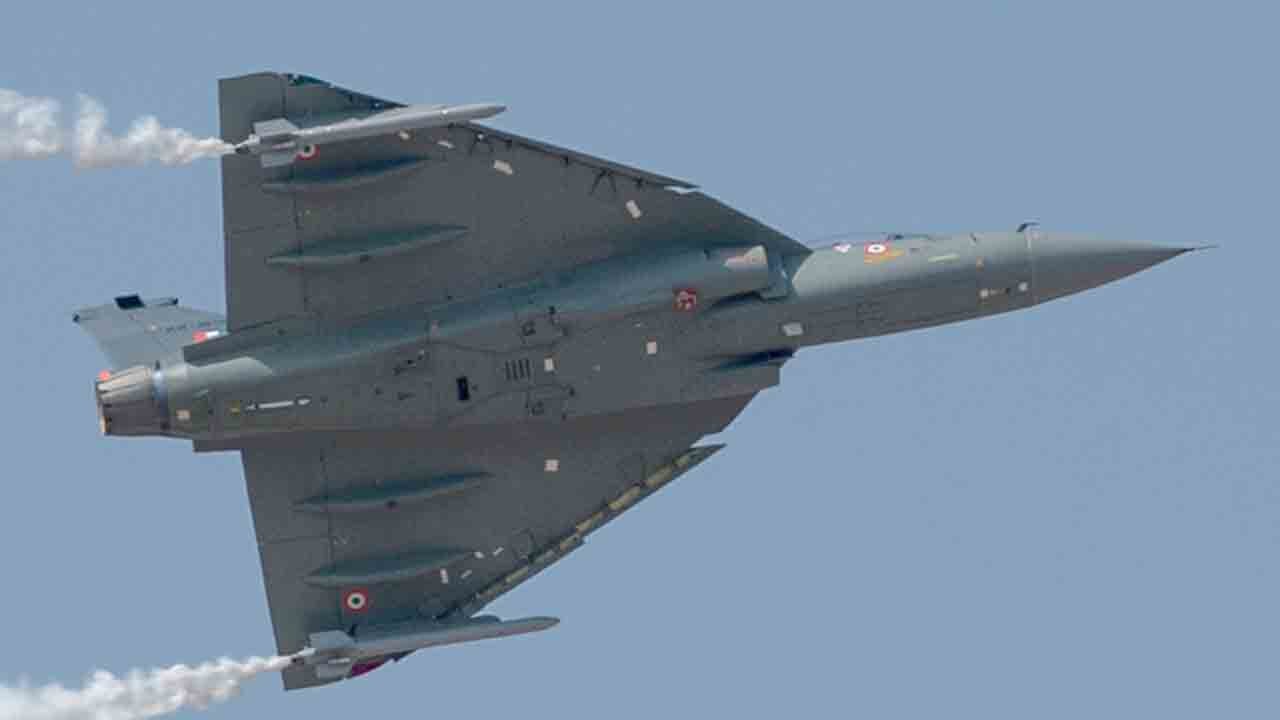
The Tejas light fighter crashed in early February 2026 while landing after a training flight at an Indian Air Force base.
He published the information The Economic Timesciting its own sources related to the defense sector.
The pilot managed to safely eject the escape seat and was not seriously injured. According to initial reports, the machine suffered significant structural damage and will probably be withdrawn from service.
+ Germany transfers technology to Israel in next-generation submarine project
+ Ukraine strikes two Be-12 amphibious planes in Crimea with combat drones
The Air Force has already begun formal investigations and inspections across the fleet.
India currently operates around 32 copies of the version Tejas Mk-1. The accident involves a single-seat configuration LCA (Light Combat Aircraft).
This is the third loss in a relatively small fleet, increasing pressure on the program.
Recent incident history

The new incident joins two previous significant incidents:
On March 12, 2024, a Tejas fighter crashed near Jaisalmer during a training flight; the pilot also managed to eject and survived.
On November 21, 2025, during a display at the Dubai Airshow, a Tejas fighter jet went down after entering an uncontrolled low-altitude dive. The accident was fatal to the pilot and raised international questions about the reliability of the platform.
The Dubai disaster particularly influenced the perception of the aircraft’s export capabilities.
The report points to structural defects
The audit conducted by the Comptroller and Auditor General of India (CAG) has identified 53 significant defects in the Mark-I variant that directly impact operational capabilities. The main points are:
- Excessive weight and limited thrust, limiting speed and maneuverability.
- Insufficient protection of the cabin and fuel system.
- Internal constraints that prevented the full installation of self-defense systems.
- The actual rate of “nationalization” of components is estimated at approximately 35%, below the initially declared 70%.
- Dependence on foreign components deepens vulnerabilities.
High dependence on foreign components is another sensitive factor. With development of the domestic Kaveri engine abandoned, the program relies on the company’s F404 and F414 engines General Electric.
In 2024–2025, supply chain delays in the United States delayed F404 engine deliveries by more than two years, directly impacting the production schedule.
In 2025 HAL decided to equip 83 Mk1A aircraft with the Israeli EL/M-2052 radar from Israel Aerospace Industries (IAI), replacing the Indian Uttam radar. This decision brought new challenges:
Source code control remains under Israeli supervision.
Problems with integration with the Indian Astra Mk1 missile.
The test, conducted in March 2025, failed due to a data synchronization error between the radar and the weapon.
Strategic program under the microscope
Tejas is a key element of India’s modernization strategy and industrial autonomy in the aerospace sector. However, recent incidents, production delays and technical problems are once again intensifying the debate about technological maturity, industrial management and foreign dependence.
An investigation into the latest accident will determine whether there was an operational error, human error or a systemic problem – conclusions that could directly impact production rates and international confidence in the program.
Source and materials: economictimes | Wikimedia. The content was created with the help of AI and editorially verified.
