
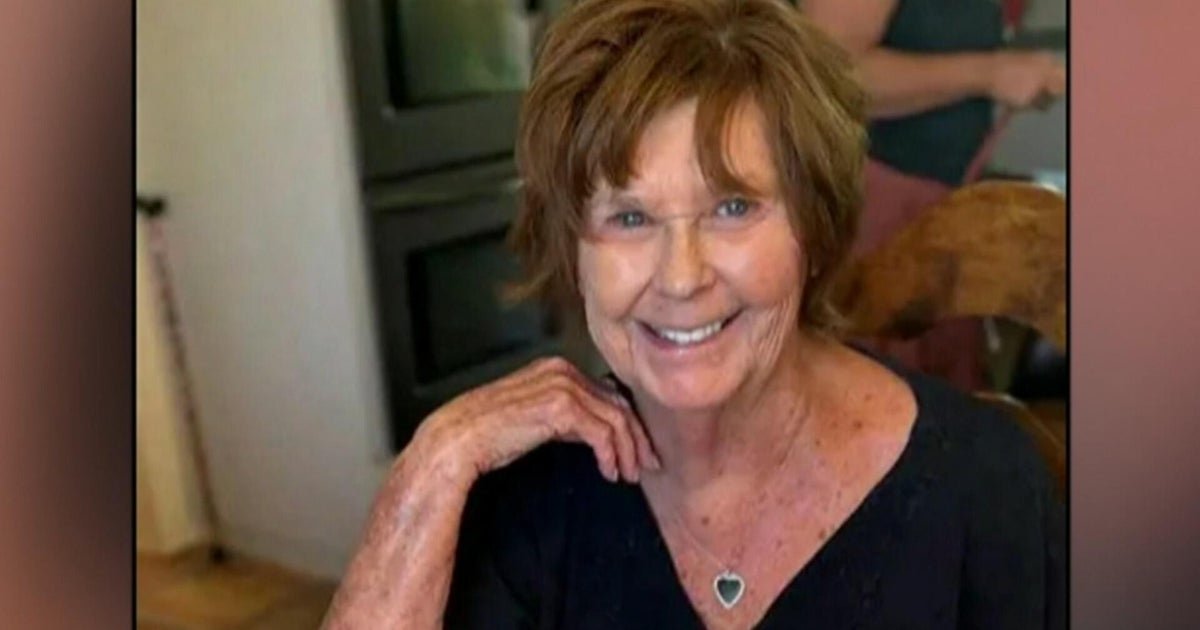
Investigators in the Nancy Guthrie case in Arizona have turned to an investigative technique called genetic genealogy as they try to make the most of DNA evidence that’s been collected during the search for the mother of “Today” show co-host Savannah Guthrie.
The process has been used to crack some notable cases in the past decade, including identifying the so-called Golden State Killer in California who’d eluded authorities for over 40 years and the man behind the high-profile killings of four Idaho college students.
Nearly three weeks after Nancy Guthrie, 84, was believed to have been forcibly taken from her Tucson home in the middle of the night, authorities haven’t named a suspect or a person of interest in the case. The Pima County Sheriff’s Department announced this week that Savannah Guthrie, her two siblings and their spouses have been cleared as suspects.
The sheriff’s department has also said that a DNA profile from a set of gloves found about 2 miles from Nancy Guthrie’s house didn’t match any entries in the national database maintained by the FBI known as the Combined DNA Index System, or CoDIS. The database contains DNA profiles of individuals with a previous arrest for certain crimes who had supplied a DNA sample.
The sheriff’s department also said that the DNA profile from the gloves didn’t match other DNA evidence from Nancy Guthrie’s property. The department has said DNA was collected at the property that isn’t from Guthrie or those in close contact with her, and that investigators were working to identify who it came from. The department said Friday that DNA analysis was underway on biological evidence recovered during the investigation and that the process can be lengthy.
Brandon Bell/Getty Images
The department noted that investigators were looking into investigative genetic genealogy options to check for matches. A federal law enforcement source told CBS News investigators would also be checking commercial DNA databases, which are separate from CoDIS.
Emanuel Katranakis, a former deputy chief with the New York Police Department who spent 25 years in the NYPD’s Forensics Investigations Division and was its commanding officer, told CBS News that genetic genealogy is essentially the final effort to match a DNA sample to a person after collecting the evidence and searching in CoDIS, if there is no direct or partial match in the federal or state databases.
“If this perpetrator has a relative that is a convicted offender in the database, you build a family tree around it,” Katranakis said. He also said, “You’re throwing a wide net, you’re looking for cousins.”
It’s a strategy that has worked before.
In Idaho, Bryan Kohberger is serving four life sentences after pleading guilty last year to killing four college students in the early morning hours in their home in 2022. Investigators were able to tie him to the killings using DNA retrieved from the button snap of a knife sheath that was left near one of the slain students’ bodies.
The FBI used genealogy sites to build family trees of genetic relatives using the crime scene DNA profile, and from there identified Kohberger as a possible suspect, prosecutors said. Investigators searched through garbage from the Pennsylvania home of Kohberger’s parents and recovered a Q-tip that was determined to come from the father of the person whose DNA was found at the Idaho home.
AP Photo/Kyle Green, Pool 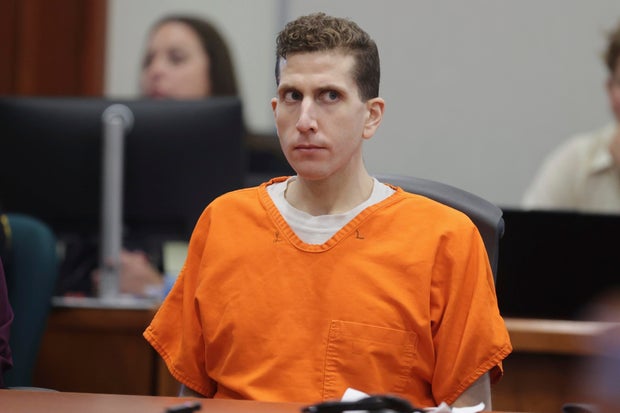
In California, the decadeslong pursuit of the so-called Golden State Killer, who was behind 13 killings and dozens of rapes, led to the 2018 arrest of a retired police officer in his 70s after a DNA sample was submitted to a public database popular with genealogy enthusiasts.
The sample was collected after a double murder in 1980 but didn’t match with anything in law enforcement’s systems until the 21st century, according to court documents. After turning to the public database, investigators ultimately landed on Joseph DeAngelo. He was arrested in 2018 after investigators obtained a tissue from his trash that had his DNA. DeAngelo, now 80, pleaded guilty in 2020 and is serving multiple life sentences.
Santiago Mejia/San Francisco Chronicle via AP, Pool 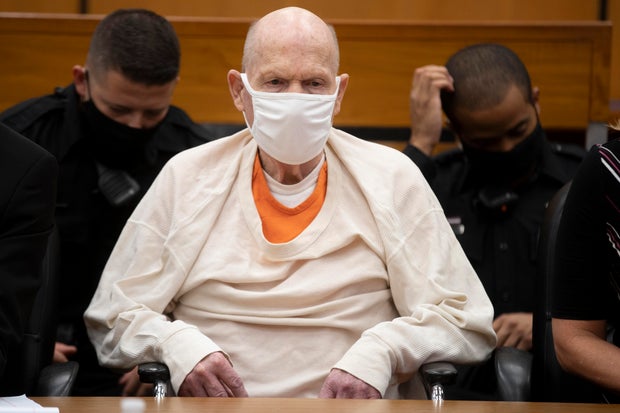
Suzanna Ryan, laboratory director at private forensic DNA lab Pure Gold Forensics in Southern California, told CBS News that when investigators turn to genetic genealogy, there has to be enough of a DNA sample left to undergo additional analysis.
“Sometimes the original lab has to use all of the sample for traditional testing in order to even attempt to obtain a result,” she said in an email.
An ideal DNA sample would have a single source profile, like a blood stain or a semen sample, Ryan said. However, labs can also work with samples that have two contributors as long as most of the sample is from a potential perpetrator.
“The labs could work with a mixture of, let’s say 80% contributor ‘A’ to 20% contributor ‘B’ as long as the potential perpetrator is the 80% component,” Ryan said. “If it’s the other way around, they usually can’t do much with that type of mixture in terms of the downstream genealogical research.”
The use of genealogical databases in criminal investigations has raised questions about whether people who upload their DNA profiles are fully aware of how they might be used.
FamilyTreeDNA, which allows users to use their DNA data to find relatives, told CBS News it doesn’t work directly with law enforcement on forensic genetic genealogy cases. The company said related work is carried out through an independent third-party partner that uses a consent-based database.
“Participation in investigative genetic genealogy matching at FamilyTreeDNA is strictly voluntary and opt-in only,” the company said in a statement. “We place the highest priority on customer privacy, data security, and ethical use in all aspects of our operations.”
CBS News has also reached out to several other popular commercial DNA database companies for their responses.
