
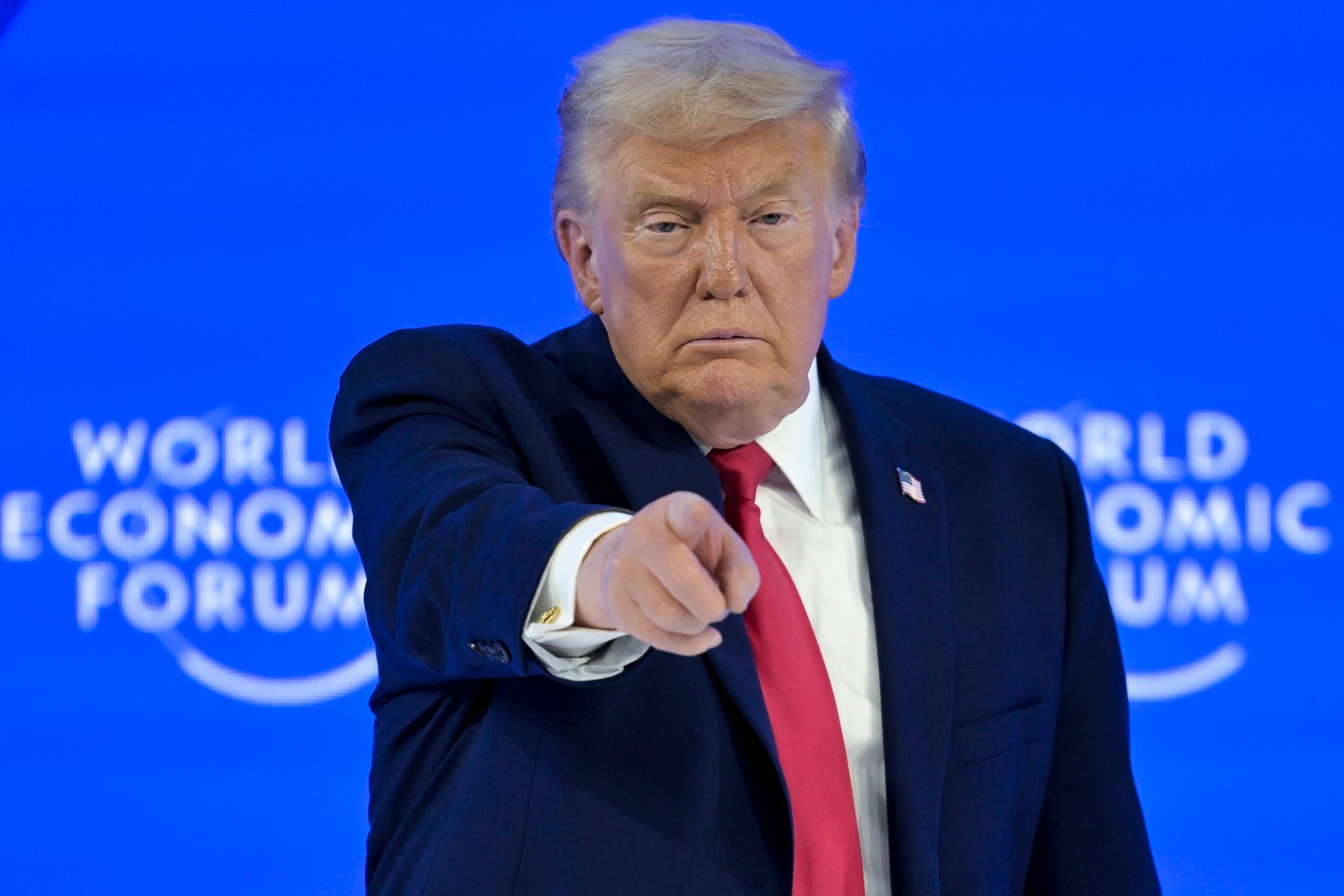
Donald Trump’s government suffered, this Friday (20), an important setback when the Supreme Court considered tariffs imposed on commercial partners illegal. The court decision considered that Trump needed to have consulted Congress, not used emergency instruments.
Trump announced, however, that he intends to continue with measures to correct what he considers “unfair trade relations”. One of these mechanisms, Section 301, could still affect Brazil, and the American warned that he intends to resort to it.
SEE ALSO:
“We are initiating multiple Section 301 and other investigations to protect our country from unfair trade practices,” Trump said at a news conference. On the same occasion, he stated that he will apply a 10% tariff on the entire world through the legislative mechanism called Section 122. As the tariffs overturned by the Supreme Court were applied through the International Emergency Economic Powers Act (IEEPA), Trump sought new resources to maintain his policy.
What is Section 301?
Section 301 is a provision of the American Trade Law established in 1974. It investigates possible unfair practices committed by foreign nations that affect US trade. The provision authorizes the U.S. Trade Representative (USTR) to investigate “unfair, unreasonable, or discriminatory” actions. If violations are confirmed, the president can impose tariffs, restrictions or other retaliatory actions to correct the imbalance.
Trump used Section 301 during his first term, especially against China, but, during the second, he began to rely more on IEEPA to impose sanctions. Because the Supreme Court’s decision specifically addressed IEEPA, the mechanisms of Sections 122 and 301 have come back into the spotlight. Although measures via IEEPA are more immediate, the latter have greater legal support, according to the website JD above.
Brazilian Context
Brazil has faced investigations under Section 301 since July 2025, focusing especially on:
- Practices related to digital commerce and electronic payment services (PIX);
- Preferential tariffs considered unfair;
- Suspicions of corruption and intellectual property protection;
- Access to the ethanol market and combating illegal deforestation.
Such practices would compromise the competitiveness of American companies in the Brazilian market. With an average period of up to 12 months, the results of this investigation could be released by the middle of this year, according to information on the American Congress website.
The USTR evaluates the evidence and determines the legality of Brazilian practices. Unlike the IEEPA instrument, Section 301 requires public debate and consultation — a more transparent but longer process. As was the case with IEEPA, Section 301 tariffs can apply to specific products or bilateral trade in general, adding to the 10% already announced for global trade.
