
In an ongoing effort to prepare its equipment to deal with the growing threat from unmanned aerial vehicles, the US Air Force has published documents indicating that its aircraft are expected to receive new anti-drone missiles soon.
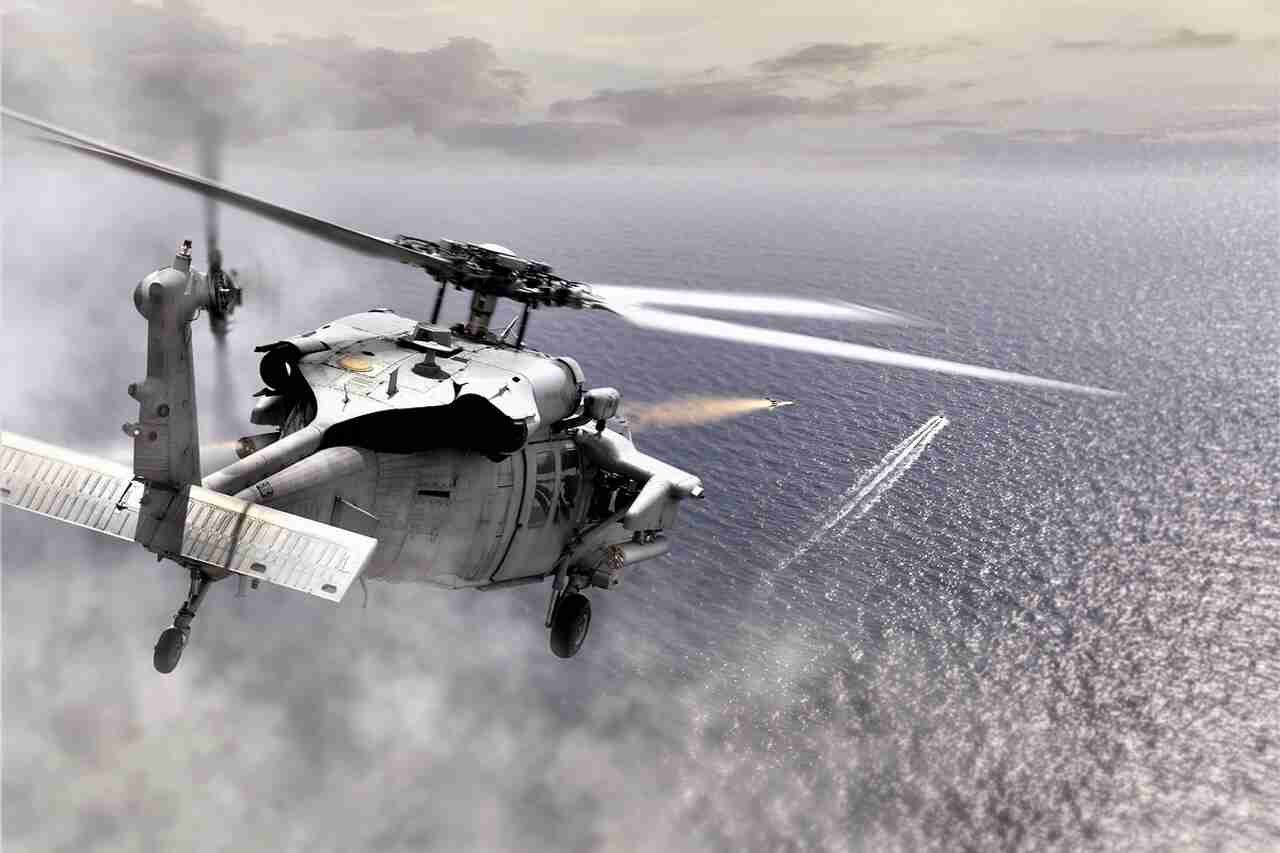
According to the website’s report Naval Newsthe fighters F-16 of the Air Force and helicopters MH-60 of the Navy must receive the new variant of the Advanced Precision Kill Weapon System (APKWS) infrared guided BAE Systems.
Following a Joint Urgent Operational Need (JUON), designated CC-0588 and identified in August 2024 in the US Central Command area of responsibility, the company has been given the green light to proceed with rapid prototyping and initial field production by this fall.
The documents identify the threat from Group 3 UAS, particularly in the Middle East, as severe, with no significant improvements to the current anti-drone network. Without an air-to-air solution on the ground, U.S. forces on the ground and at sea would face critical vulnerability” in the region.
The new missile effort, designed to mitigate cost-capability and payload curves, focuses on a “Dual Air-to-Air Mode” variant of the rocket AGR-20F FALCOa version of the APKWS rocket from BAE Systems which has already seen operational use as an anti-drone missile.
+ US tests Ukrainian drone innovations under new deal
The upgraded configuration adds a nose-mounted long-wave infrared (LWIR) seeker and a medium-body gun equipped with a dual safe proximity fuse. The new seeker allows a transfer from laser targeting to infrared homing, reducing the time a crew must maintain laser illumination.
The reduced laser time allows for faster engagements against maneuvered or massed unmanned aircraft, while the smaller diameter allows fighters to carry a dozen or more missiles per sortie.
Changes to baseline Fixed Wing, Air Launched, Counter-Unmaned Aircraft Systems Ordnance (FALCO) of APKWS aim to deliver a “low-cost system in large numbers to defeat swarms (potentially numbering in the hundreds) of lower-cost Group 3 UAS,” according to the documents.
A BAE Systems was selected as the top solution among 43 respondents in an Air Force Request for Information issued in March 2025. The company will now develop, test and deliver upgraded components to support 300 missile prototypes under the contract.
One hundred missiles are scheduled for integration and testing events, while the other 200 will serve as operational leftovers to facilitate operational assessment and contingency use in the Middle East.
Photo: BAE Systems. This content was created with the help of AI and reviewed by the editorial team.
