
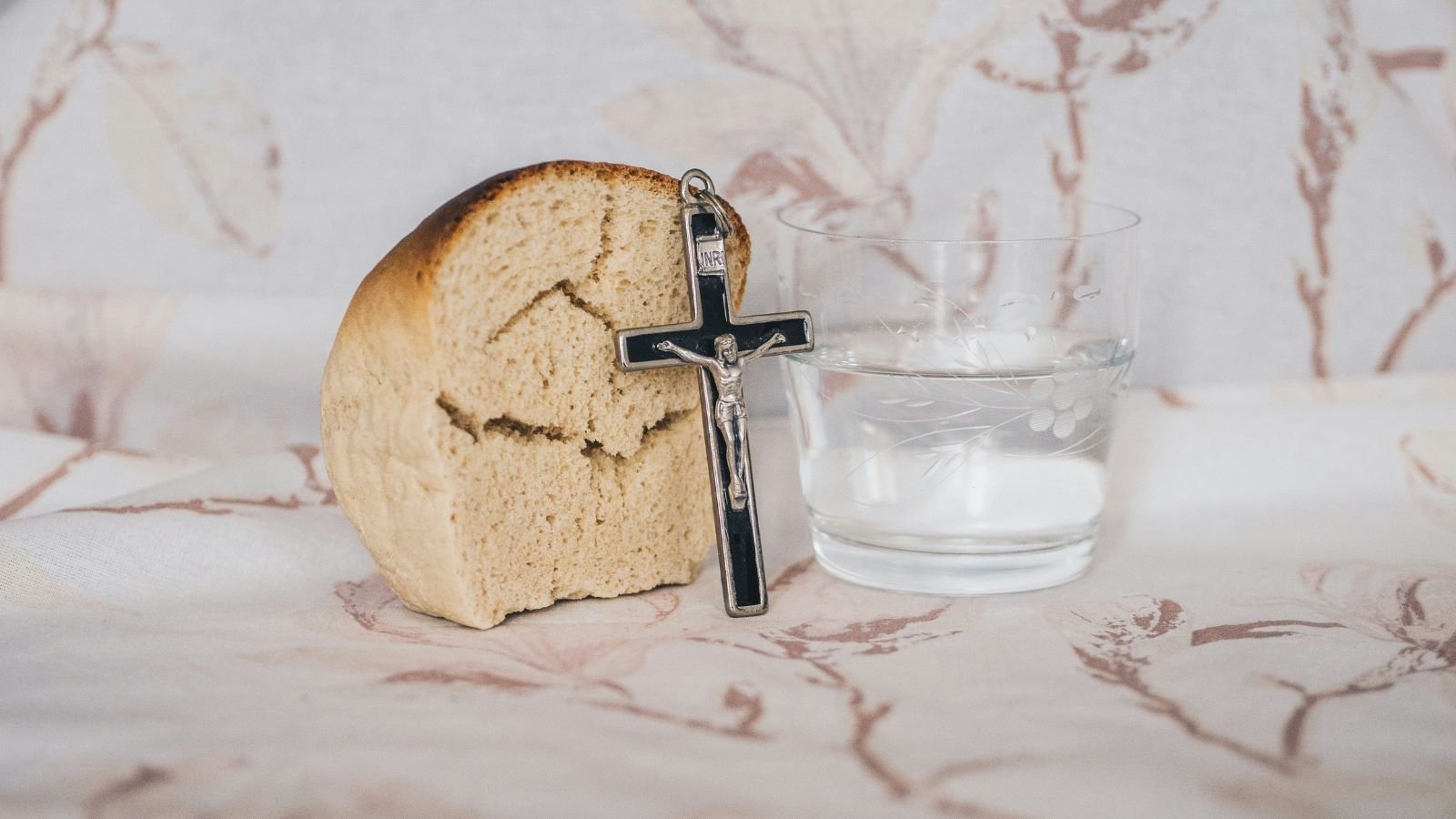
Starting this Wednesday (18), Lent marks one of the most significant periods in the Christian calendar, dedicated to reflection, repentance and deepening spiritual life. The date refers to the 40 days that Jesus spent in the desert, fasting and praying, as narrated in the Gospels.
It is a time of inner review and renewal of faith. In some parts of the world, however, the opposite is true: traditional practices of the Christian faith, such as public celebrations and religious manifestations, face restrictions or even prohibitions.
It is in this context that the debate about Christophobia arises – a term used to designate the persecution of Christians in different parts of the world. THE People’s Gazette prepared a mini-documentary on the topic, which you can watch by clicking on the video above or on official newspaper channel on YouTube.
Additionally, readers can download for free the exclusive e-book on religious intolerance in the 21st century, written by columnist Franklin Ferreira: Christophobia – How the West Is Bowing to Fear.
To access the content, simply subscribe to the page “Gazeta Investigation – Cristophobia Special”.
What do the data say about Christophobia in the world?
In column for People’s GazetteFranklin Ferreira explains that “the word ‘Christophobia’ designates hatred, discrimination or violence practiced against Christian people or communities because of their faith. It is a phenomenon that, although often silenced by the mainstream media, is today the main form of religious persecution in the world.”
Now in 2026, the Open Doors report – international organization that supports persecuted Christians –, “World Watch List 2026”, showed an increase of 8 million in the number of persecuted Christians compared to the previous year. In total, the survey estimates that 388 million people face some type of risk or hostility for professing the Christian faith in the world.
The mini-documentary People’s Gazette, “Persecution of Christians in the world: cases and stories that try to hide”, brings a series of reports and contextualizations about episodes of discrimination against Christians in different countries. Mention the case of Nicaragua, where authorities even banned the celebration of Holy Weekpreventing one of the most important moments in Christian tradition.
“Imagine a country where 84% of the population is Christian and where Holy Week celebrations are prohibited. This is the reality in Nicaragua, where dictator Daniel Ortega declared war on Christian organizations because of protests against his government. Among the regime’s weapons of oppression is the replacement of Holy Week celebrations with acts promoted by the State. […] Since then, more than a thousand attacks on churches have been recorded”, records the special.
Holy Week is the final week of Lent, considered the heart of the period. Therefore, the ban on their celebrations does not just affect a cultural tradition, but the core of the religious experience of millions of believers. In contexts such as Nicaragua, the restriction of these manifestations highlights how the practice of faith can become a target of political control and state repression.
By bringing this and other cases, the mini-documentary expands the debate on religious freedom and the challenges faced by Christian communities around the world – especially in symbolic periods such as Lent and Holy Week.
