
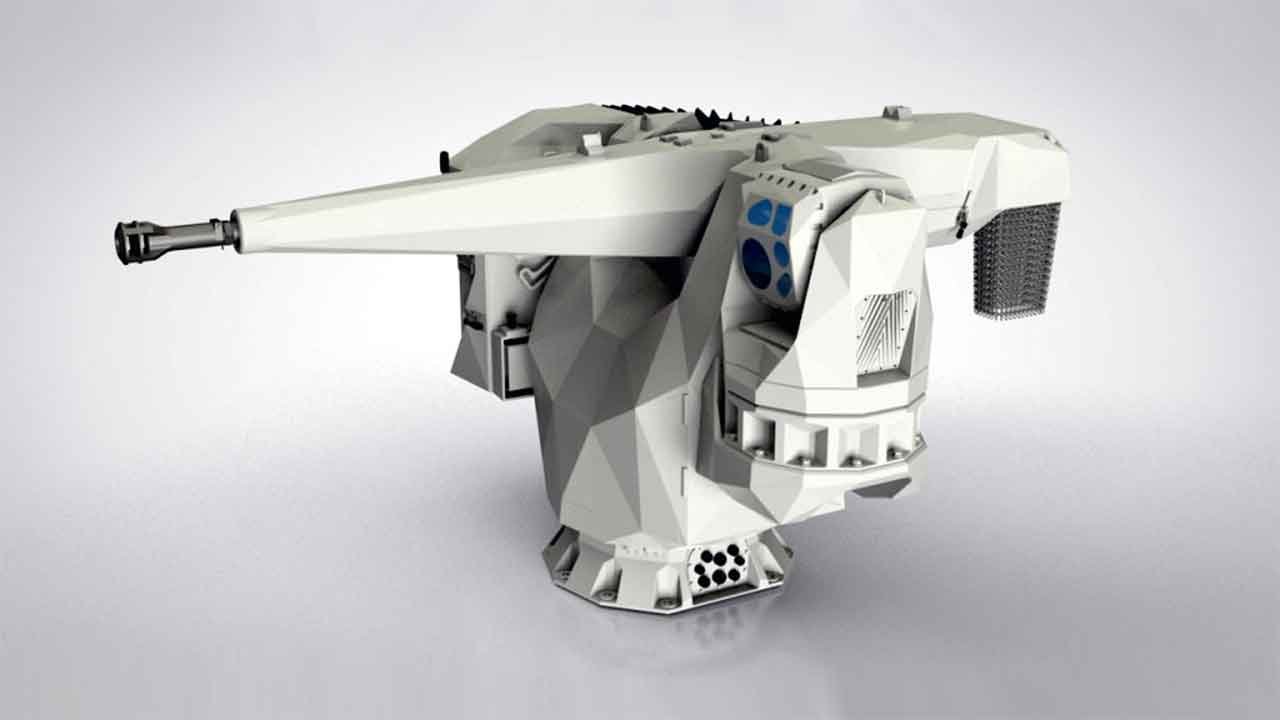
The Swedish Navy will be the first NATO member to use the new maritime weapon system Seasnake 30, developed by Rheinmetall.
The initial contract, signed in February 2026, includes the acquisition of eight systems at an estimated value of 63 million euros.
The systems will be installed as main armament on the new fast attack craft Combat Boat 90. Delivery of the first system is planned for February 2028.
The framework agreement is valid for four years and includes training ammunition with airburst capability, 30 mm training ammunition, spare parts and support services. The contract also includes an option to purchase up to 29 additional Seasnake 30 systems.
Light maritime system with a focus on short-range defense

The Seasnake 30 is a lightweight, remotely operated maritime system designed for short-range defense missions. In addition to a 30 mm turret gun, the system is equipped with high-resolution daylight cameras, infrared sensors and a laser range finder.
The system has automatic target detection and can track multiple targets simultaneously. The nominal maximum rate of fire is 1,100 rounds per minute.
One of the most significant features of the Seasnake 30 is the integrated ammunition with airburst capability, which increases effectiveness against air targets, including drones. The compact, low-signature design helps reduce detectability to enemy sensors.
First NATO customer strengthens strategic position
Sweden’s order is the first contract for the Seasnake 30 with a NATO member country and strengthens the system’s position in the international maritime defense market. Before Rheinmetall the agreement emphasizes the company’s role as a supplier of modern maritime solutions within the alliance.
The Swedish decision also signals confidence in the system’s operational capacity and technological development potential, especially at a time of increasing need for protection against asymmetric threats and unmanned systems.
+ NATO plans to send the world’s largest drone fleet to protect the Baltic Sea
Source and images: Rheinmetall. This content is created with the help of AI and reviewed by the editors.
