
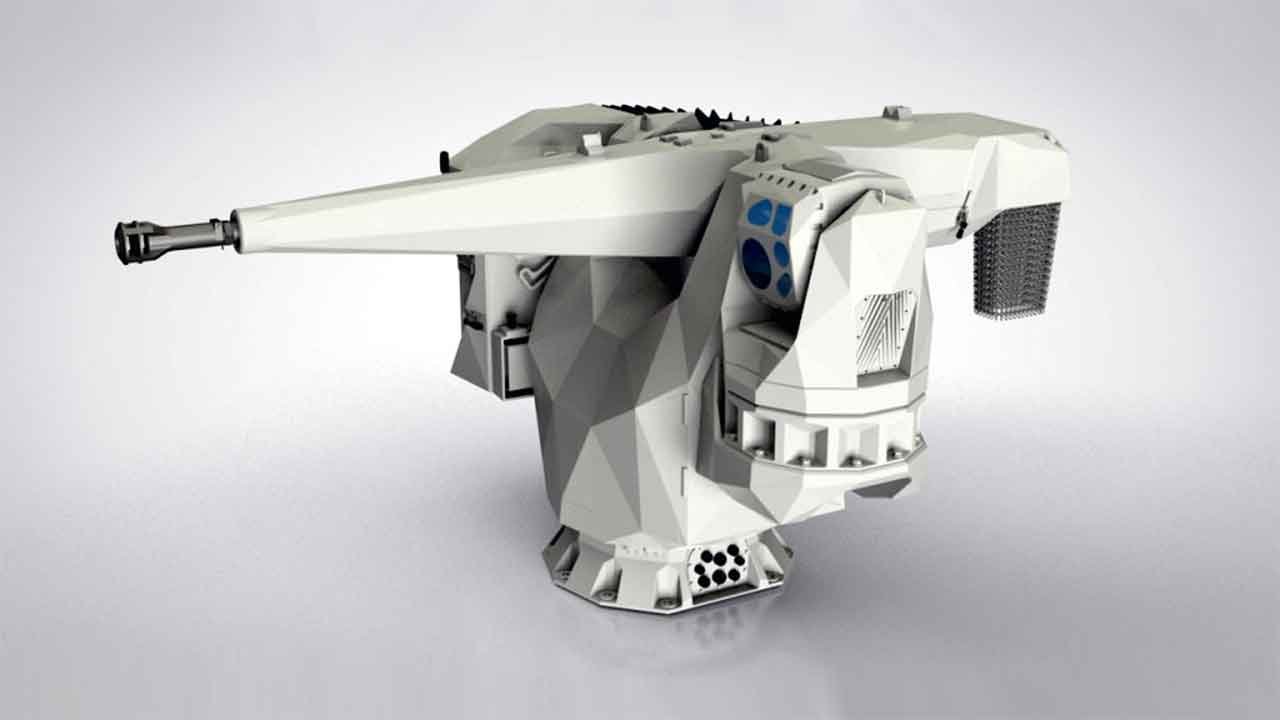
The Swedish Navy will become the first NATO member to deploy the new Seasnake 30 naval weapon system developed by Rheinmetall.
The initial contract, signed in February 2026, includes the procurement of eight systems worth approximately €63 million.
The systems will be installed as the main armament of the new fast attack vessels Combat Boat 90. Delivery of the first system is planned for February 2028.
The framework contract is valid for four years and includes airburst training ammunition, 30 mm training ammunition, spare parts and service support. The contract also includes an option to acquire up to 29 additional Seasnake 30 systems.
A light naval system focused on short-range defense

The Seasnake 30 is a lightweight, remote-controlled naval system designed for short-range defense missions. In addition to the 30mm turret gun, the system includes high-definition cameras for daytime operation, infrared sensors and a laser range finder.
The system has automatic target detection and the ability to track multiple contacts simultaneously. The nominal maximum cadence is 1,100 shots per minute.
One of the main features of the Seasnake 30 system is an integrated airburst capability munition that increases effectiveness against aerial targets, including drones. Its compact, low-signature design helps reduce detectability by enemy sensors.
The first customer from NATO strengthens the strategic position
The order from Sweden represents the first contract for the Seasnake 30 system with a NATO member state and strengthens its position in the international maritime defense market. For Rheinmetall the agreement confirms its role as a supplier of modern maritime solutions within the alliance.
The Swedish decision also signals confidence in the system’s operational capabilities and technological development potential, especially in an environment of growing demand for protection against asymmetric threats and unmanned systems.
+ NATO plans to send the world’s largest fleet of drones to protect the Baltic Sea
Source and images: Rheinmetall. This content was created with the help of AI and reviewed by the editors.
