
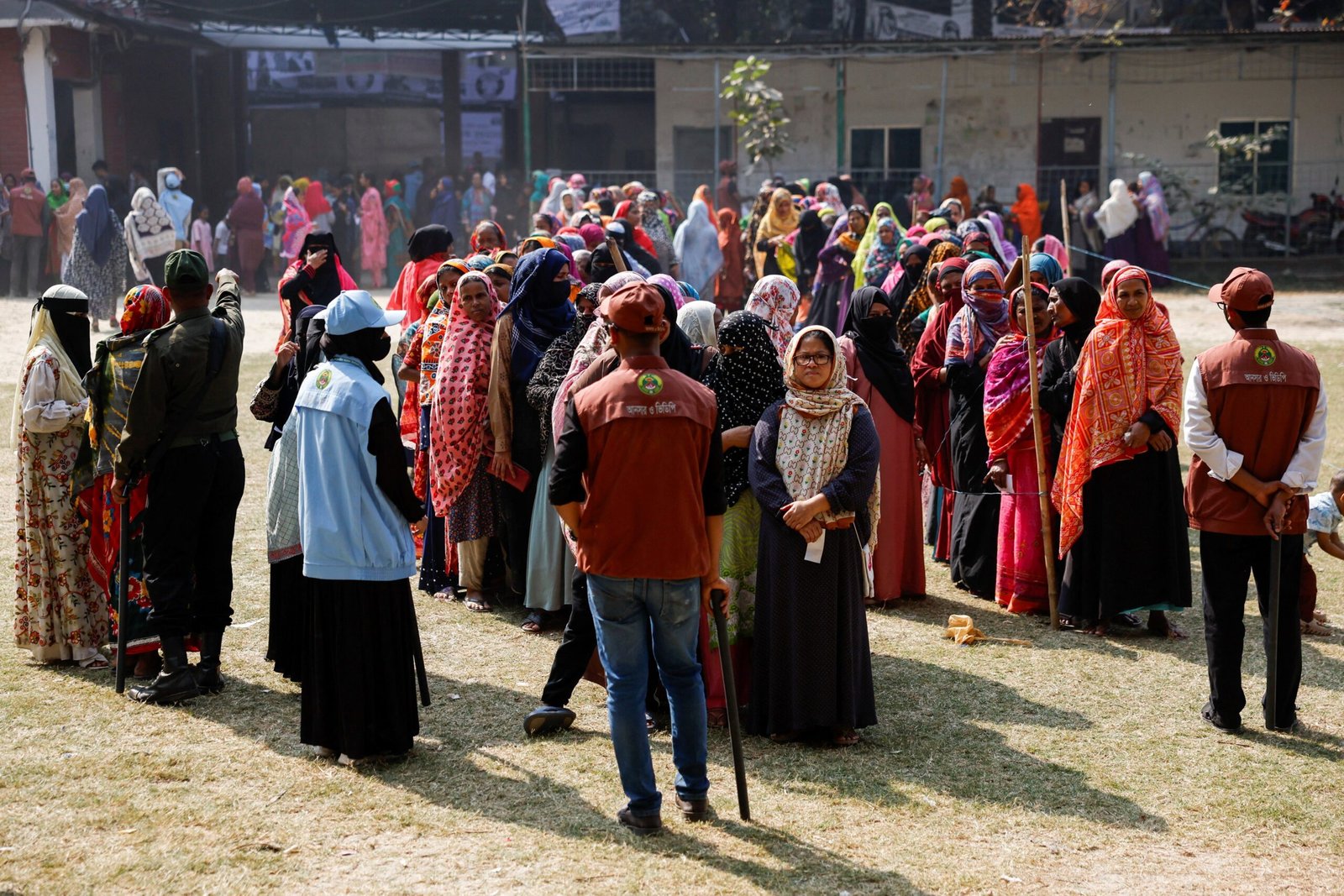
Bangladeshis vote in the country’s general elections, on February 12, 2026. Mohammad Ponir Hossain/ Reuters Millions of Bangladeshis voted this Thursday (12) in the first general elections in the country since the historic protests of 2024 led by generation Z and which resulted in the fall of the then prime minister, Sheikh Hasina. This is the first election in the world following an uprising led by young people under 30, or generation Z. Next month, Nepal will also go to the polls following similar protests. ➡️ Bangladesh was the scene of the first major revolt by generation Z against governments in the world. Students protested against a government quota system for relatives of civil servants (read more below), but were harshly repressed, on Hasina’s orders, and around 1,400 people died, according to the UN. During the uprising, Hasina fled to India and, last year, was sentenced to death by Bangladeshi courts. The country had been governed on an interim basis by Nobel Peace Prize winner Muhammad Yunus. With around 128 million people eligible to vote, turnout reached a high of 32.88% at noon in approximately three-quarters of the 42,651 polling centers across the country, said Akhtar Ahmed, senior secretary at the Election Commission. Analysts say a decisive outcome is crucial to the stability of governance in the nation of 175 million people. The wave of repression of protests and the political crisis have affected key sectors of the economy, including the gigantic textile sector, the second largest exporter in the world. Candidates The electoral dispute pits two coalitions led by former allies face to face: Tarique Rahman, from the Bangladesh Nationalist Party (BNP); Shafiqur Rahman, leader of the Islamist group Jamaat-e-Islam. Voting intention polls point to a slight advantage for Rahman. “I am confident of victory. There is enthusiasm among people regarding the vote,” he told reporters. Voters will also renew Parliament, and more than 2,000 candidates, including many independents, are vying for the 300 seats in the Jatiya Sangsad, or House of the Nation. Who is Sheikh Hasina, former prime minister of Bangladesh, sentenced to death ‘The atmosphere is festive’ In the capital, Dhaka, people lined up outside the polls before the elections opened at 7:30 am local time, including eager participants such as Mohammed Jobair Hossain, 39, who said he last voted in 2008. There were elections during Hasina’s term, but the elections were marked by boycotts and intimidation of the opposition, according to critics. “I’m excited because we are voting freely after 17 years,” Hossain said as he waited in line. “Our votes will make a difference and will have meaning.” Hossain’s sentiment was shared by many voters, who told the Reuters news agency that the atmosphere was freer and more festive than in previous elections. Kamal Chowdhury, 31, a driver for a company in Dhaka, traveled to his hometown in the eastern district of Brahmanbaria to vote. He said: “The atmosphere here is festive.” “People are very excited to vote — it’s almost like Eid,” he added, referring to Eid al-Fitr, the Muslim religious festival. ‘Vote without fear’ Outside a polling station in Dhaka where BNP leader Tarique Rahman and interim government head Muhammed Yunus voted, police on horseback with blankets on their saddles announced: “The police are here, vote without fear.” Hasina’s Awami League party is banned and she remains in self-imposed exile in India, her longtime ally, paving the way for China to expand its influence in Bangladesh as Dhaka’s relations with New Delhi deteriorate. “From today onwards, we have the opportunity to build a new Bangladesh with every step we take. This is a festival, a day of joy, a day of liberation, the end of our nightmare.” “Congratulations everyone,” Yunus said. There were no reports of serious violence, but a BNP leader died in a fight outside a polling station in the coastal city of Khulna, and two members of the paramilitary forces and a 13-year-old girl were injured when a homemade bomb exploded outside a polling station in Gopalganj, Hasina’s stronghold. Around 958,000 people from the police, military and paramilitary forces were mobilized across the country on election day, according to the Electoral Commission. Police and military were stationed outside most polling stations. Parallel to the election, there will be a referendum on a set of constitutional reforms, including the establishment of a neutral interim government for election periods, the restructuring of parliament into a bicameral legislature, increasing female representation, strengthening judicial independence and imposing a two-term limit on the prime minister. “The crucial test for Bangladesh now will be to ensure that the election is conducted fairly and impartially, that all parties accept the result,” said Thomas Kean, senior adviser at the International Crisis Group. “If this happens, it will be the strongest evidence yet that Bangladesh has truly embarked on a period of democratic renewal.” The counting has already begun, and results are expected to be released on Friday morning (13), said officials from the Electoral Commission. On Thursday, a long line of women dressed in burqas waited to vote outside a primary school turned temporary polling station on the outskirts of Dhaka. Ruma Khatun, a 32-year-old housewife, showed a henna tattoo of “daripalla” or scales, a symbol associated with Jamaat-e-Islami, on her hand. “I want Dr. Shafiqur Rahman to become prime minister.”
Source link
With high participation, Bangladesh holds the first election in the world motivated by protests from generation Z
39
