
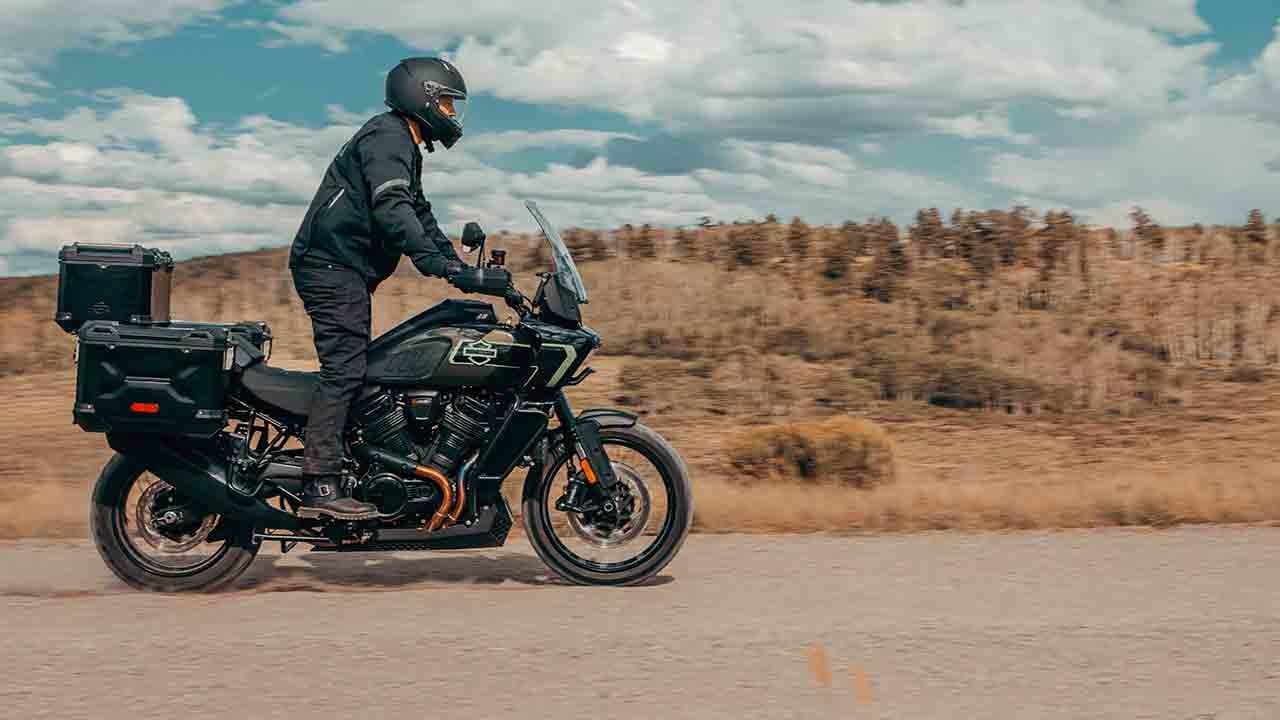
Harley-Davidson, one of the most iconic brands in the motorcycle sector, is facing one of the worst crises in its history, characterized by significant drops in sales, financial losses and a strategy that failed to respond to changes in the global market.
According to recently released data, sales of motorcycles from Harley-Davidson fell again in 2025, marking a persistent annual decline and hampering the company’s efforts to attract new audiences and reverse the negative trend.
Bets that didn’t pay off: trams and neglected markets
One of the company’s riskiest moves was its heavy bet on electric motorcycles, especially through the LiveWire division. Although the electric line had a small sales growth in 2025, it still recorded less than 1,000 units sold globally — an insignificant number compared to the rest of the market and well below expectations.

Experts point out that this performance reinforces Harley’s difficulty in competing in emerging segments and with younger consumers, in addition to failing to adequately take advantage of the growing potential of electric motorcycles in the world.
At the same time, the company also ended up neglecting expansion in emerging markets, such as Asia-Pacific — where the demand for motorcycles, including more affordable models, is growing strongly and should continue to grow in the coming years due to urbanization and the increase in the population’s average income.
Meanwhile, Chinese and Indian women advance
While Harley faces this challenging scenario, Chinese and Indian manufacturers have been gaining ground in the global market and in countries like Brazil. Brands such as Haojue, Shineray (QJ Motors), Royal Enfield and Bajaj have expanded market share and increased sales thanks to strategies aimed at more competitive prices and models adapted to the needs of local consumers.

In Brazil, for example, data from 2025 shows that models from these manufacturers are already among the most registered, surpassing many traditional motorcycles in the sector and challenging the historical leadership of Japanese brands.

Furthermore, Indian automaker Eicher Motors, owner of Royal Enfieldrecorded sales and profit growth driven by strong domestic demand in the Indian market, especially in mid-displacement models that have become popular among new motorcyclists.
Financial impact and prospects
The crisis of Harley-Davidson was reflected in significant losses and a drop in revenue last year, with executives admitting a “challenging” period for the company.
With this, the brand seeks to reinvent its global strategy, including new entry-level models, adjustments in production and focus on relationships with dealers, but many analysts see recovery as a long-term challenge given the growing competitiveness in the two-wheel sector.
Source and images: Persistencemarketresearch | Harley-Davidson | Fenabrave | Royal Enfield | QJ Motors. This content was created with the help of AI and reviewed by the editorial team.
