
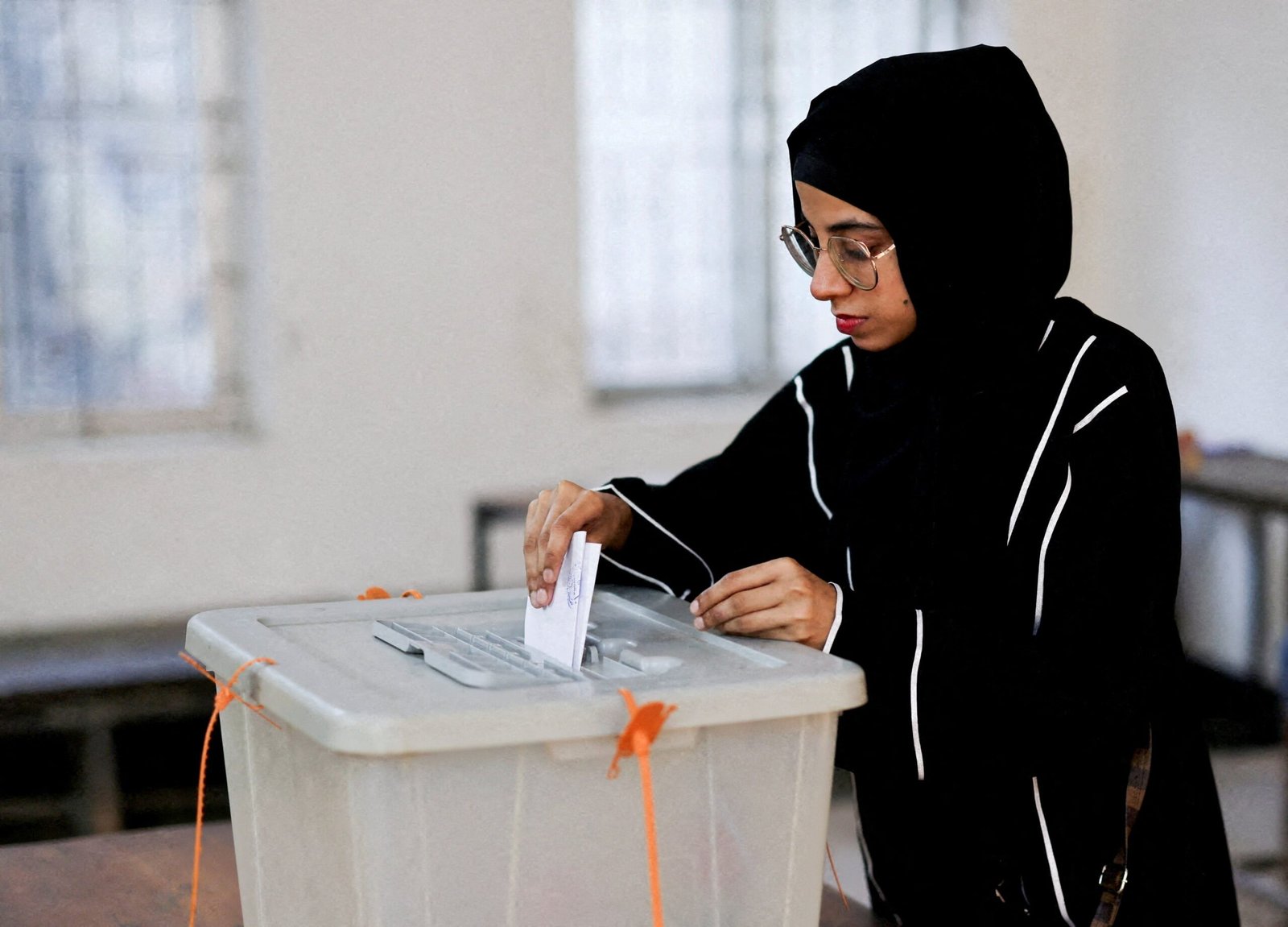
Bangladesh holds elections after the fall of the authoritarian government Millions of voters went to the polls this Thursday (12) in the first election held after the uprising led by young people from the so-called “Generation Z” in Bangladesh. The election ended with a broad victory for a traditional party and a weak performance by the party formed by protesters who helped to overthrow the previous government. ✅ Follow the g1 international news channel on WhatsApp The vote took place about two years after the 2024 protests, which led to the downfall of then-prime minister Sheikh Hasina. The repression left around 1,400 dead, according to the UN, and plunged the country into political and economic crisis. During the protests, Hasina fled to India. Since then, Bangladesh has been temporarily governed by Nobel Peace Prize winner Muhammad Yunus. With around 128 million people eligible to vote, the election saw participation considered high. Analysts say a clear result is essential to restore stability in the country, which has 175 million inhabitants and has suffered economic impacts after months of political violence. The results show that the coalition led by the Bangladesh Nationalist Party won a large parliamentary majority. The political group created by young activists who participated in the protests had limited performance at the polls. The Bangladesh Nationalist Party won 209 of the 300 seats in Parliament, securing a two-thirds majority. The alliance led by the Islamist party Jamaat-e-Islami was left with 68 seats and conceded defeat. The National Citizens’ Party, led by young activists who participated in the protests against Hasina, won only 5 of the 30 seats it contested. With the result, Tarique Rahman should become the new prime minister. The 60-year-old is the son of former Prime Minister Khaleda Zia and former President Ziaur Rahman. The party it leads was the main rival of the government overthrown in 2024. In addition to the parliamentary dispute, voters also voted in a referendum on constitutional changes. According to local newspaper The Daily Star, partial results indicate that 73% of votes were in favor of the reforms. The proposals include term limits for the prime minister, strengthening the judiciary and creating a neutral interim government during election periods. More than 2 thousand candidates and at least 50 parties participated in the election. The Awami League, which ruled the country for more than 15 years until Hasina’s fall, was barred from running. In a statement released after polls closed, Hasina said the election was a “carefully planned farce” carried out without true voter participation. She said Awami League supporters rejected the lawsuit. ‘The atmosphere is festive’ Woman votes in Bangladesh elections, on February 12, 2026 REUTERS/Mohammad Ponir Hossain In several regions, voters formed queues before the polls opened. Many said they were voting freely for the first time in more than a decade and described the atmosphere as festive. “I’m excited because we are voting freely after 17 years,” Hossain said as he waited in line. “Our votes will make a difference and will have meaning.” There were elections during Hasina’s term, but the elections were marked by boycotts and intimidation of the opposition, according to critics. This time, almost 1 million security agents were mobilized. There was no widespread violence, although isolated incidents were recorded. VIDEOS: most watched on g1
Source link
Bangladesh: 1st election motivated by ‘Generation Z’ sees victory for traditional party and poor performance for protesters’ party
21

previous post